Jordan’s Q2 2026 GDP Expands 3.0%, Outperforming Regional Headwinds, International Forecasts
ENV-KUWAIT-SUSTAINABLITYKuwait strengthens environmental sustainability through strategic initiativesBy Zahra Al-Kadhmi

HLT-KUWAIT-SURGERYKuwait advances health sector with robotic, remote surgeryBy Mohammad Al-Moseb

Saudi Arabia’s Voluntary Carbon Market Fuels the Shift to a Low-Carbon

Amman, June 4 (Petra) — Jordan has emphasized the importance of
harnessing artificial intelligence responsibly to improve workplace
safety, strengthen workforce capabilities and support sustainable
economic development, as governments and labor-market stakeholders
grapple with the growing impact of advanced technologies on
employment.
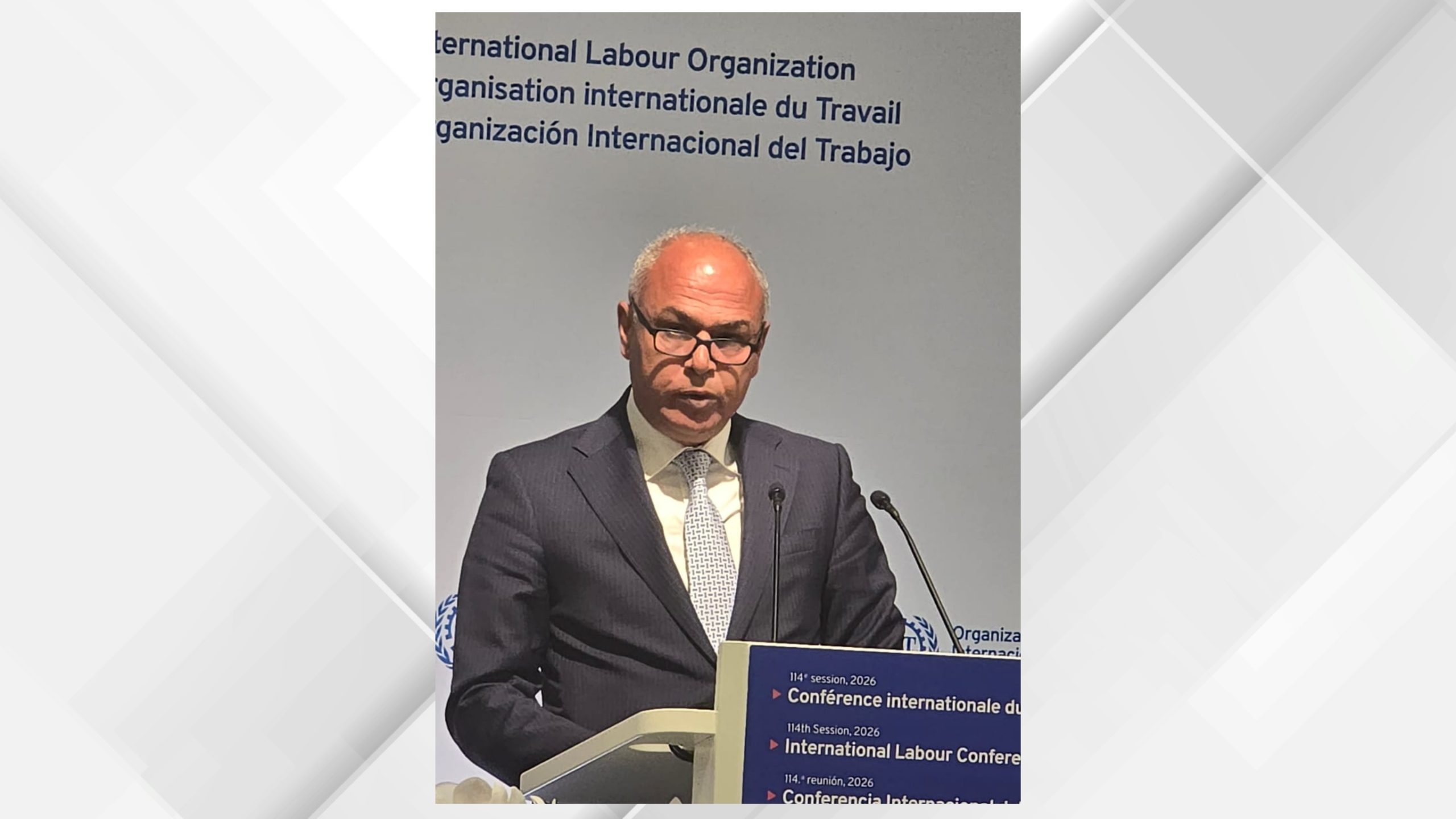
Speaking during the 114th session of the International Labour
Conference in Geneva, Secretary-General of the Ministry of Labour
Abdul Halim Dujan said artificial intelligence has become an integral
part of modern economic activity and is increasingly reshaping labor
markets around the world.
Dujan, who heads Jordan’s delegation to the conference, said the
central challenge is no longer whether artificial intelligence should
be used, but how it can be employed in a manner that promotes decent
work, protects workers’ rights and ensures that the benefits of
technological progress are shared broadly across society.
He noted that rapid changes in job requirements and workplace
structures are increasing the need to invest in youth skills and
workforce preparedness, particularly as employers seek new
competencies aligned with digital transformation.
At the same time, Dujan stressed that many occupations built around
human interaction, behavioral skills and accumulated experience will
continue to retain their value despite accelerating advances in
automation.
He said the future labor market will be shaped by collaboration
between humans and technology rather than direct replacement of
workers by machines.
According to Dujan, artificial intelligence offers significant
opportunities to enhance occupational safety and health, especially
in high-risk industries such as mining, construction and heavy
manufacturing.
The deployment of smart systems, automation technologies and robotics
in hazardous work environments can reduce workers’ exposure to
danger, lower workplace injuries and improve overall safety
performance, he said.
Dujan also highlighted the technology’s growing role in workforce
development, noting that AI-powered training systems can deliver
personalized learning pathways that respond to both individual needs
and changing labor-market demands.
In addition, advanced data analytics and forecasting tools can help
identify future skills requirements and improve the ability of
workers and employers to adapt to technological change.
He pointed to Jordan’s ongoing efforts under the Economic
Modernization Vision to strengthen the digital economy, expand
vocational and technical education, support entrepreneurship and
foster innovation.
These initiatives, he said, are designed to improve the readiness of
Jordanian youth for future occupations while enhancing the
competitiveness of the national economy in regional and international
markets.
During his remarks, Dujan also renewed Jordan’s call for the
International Labour Organization to continue supporting Palestinian
workers through expanded access to decent employment opportunities
and social protection programs.
He urged the organization to intensify technical cooperation and
capacity-building initiatives aimed at protecting workers’ rights and
improving living conditions amid the difficult humanitarian and
economic circumstances facing Palestinians.
The Jordanian delegation participating in the conference includes
representatives from the Senate, employers’ organizations, labor
unions and the Ministry of Labour, reflecting the country’s
tripartite approach to labor-market dialogue and policy development.
//Petra// RZ