
Saudi Arabia’s Voluntary Carbon Market Fuels the Shift to a Low-Carbon
Under UAE President’s directives, UAE launches urgent relief response for Ghana flood victims

Combating Desertification and Drought: Qatar a Model in Preserving Natural Resources, Establishing Environmental Stability
UAE allocates US$30 million for emergency humanitarian response in El Obeid, calls for civilian protection, safe humanitarian aid access in Sudan

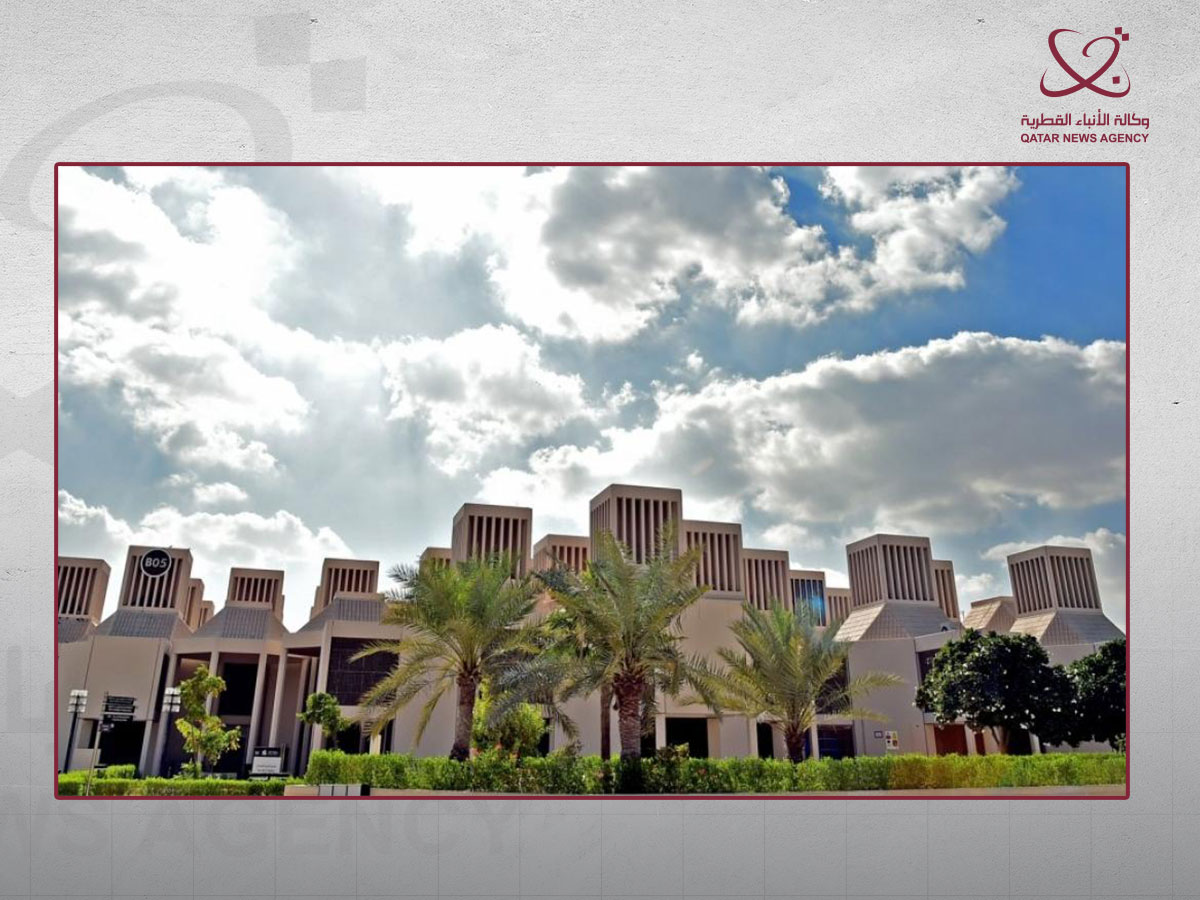
Paris, June 28 (QNA) – Qatar University’s (QU) healthcare simulation team (Qatar SimTeam) achieved a distinguished international milestone by securing third place worldwide in the SimUniversity Competition, held as part of the Annual Meeting of the Society for Simulation in Europe (SESAM 2026) in Lyon, France. The competition brought together outstanding healthcare student teams from around the world.
QU’s team was the only one in the competition representing three healthcare disciplines—medicine, nursing, and pharmacy—demonstrating the value of interprofessional education in preparing students for collaborative clinical practice.
Commenting on the achievement, Dr. Moustafa Al Hariri, Section Head of Simulation Lab at QU’s Health Sector and the team’s supervisor, said that the six-month preparation period witnessed remarkable growth in the students’ performance, transforming them from individuals with discipline-specific expertise into a fully integrated interprofessional team capable of diagnosing patients, developing comprehensive treatment plans, and implementing them with precision and coordination. He said: “These students are living proof that teamwork turns aspirations into reality and that investing in young talent is the most effective way to build a strong and integrated healthcare system.”
Mohannad Abu Hweileh, a graduate of QU’s College of Medicine and a member of the team, said: “The intensive preparation period played a pivotal role in this achievement, as our structured teamwork significantly enhanced our readiness to manage complex clinical scenarios.” He added that the competition also enabled the team to strengthen leadership skills, improve its ability to work toward shared objectives efficiently, and exchange knowledge with students from leading academic institutions worldwide.
Mohammed Al Kuwari, a student at QU’s College of Medicine, noted that participating in the competition allowed him to conduct comprehensive clinical assessments and primary patient surveys while contributing to diagnostic discussions and therapeutic decision-making. He explained that working in a realistic clinical simulation environment strengthened his analytical thinking and medical communication skills while underscoring the importance of effective teamwork in achieving optimal patient outcomes.
Ahmed Al Shammari, a student at QU’s College of Nursing, said the competition provided an opportunity to apply nursing skills in realistic clinical simulation scenarios while strengthening teamwork and patient care.
Hamad Al Dosari, a student at QU’s College of Pharmacy, highlighted the role of pharmaceutical expertise in supporting clinical decision-making and medication safety throughout the competition. Both expressed pride in representing their respective disciplines as the only nursing and pharmacy students among all participating teams.
This achievement reflects QU’s commitment to providing advanced clinical training and high-quality simulation experiences for healthcare students. The university remains committed to strengthening clinical training and simulation programs that prepare future healthcare professionals to contribute to the advancement of Qatar’s healthcare sector and excel on the international stage. (QNA)