Jordan’s Q2 2026 GDP Expands 3.0%, Outperforming Regional Headwinds, International Forecasts
ENV-KUWAIT-SUSTAINABLITYKuwait strengthens environmental sustainability through strategic initiativesBy Zahra Al-Kadhmi
HLT-KUWAIT-SURGERYKuwait advances health sector with robotic, remote surgeryBy Mohammad Al-Moseb

Saudi Arabia’s Voluntary Carbon Market Fuels the Shift to a Low-Carbon

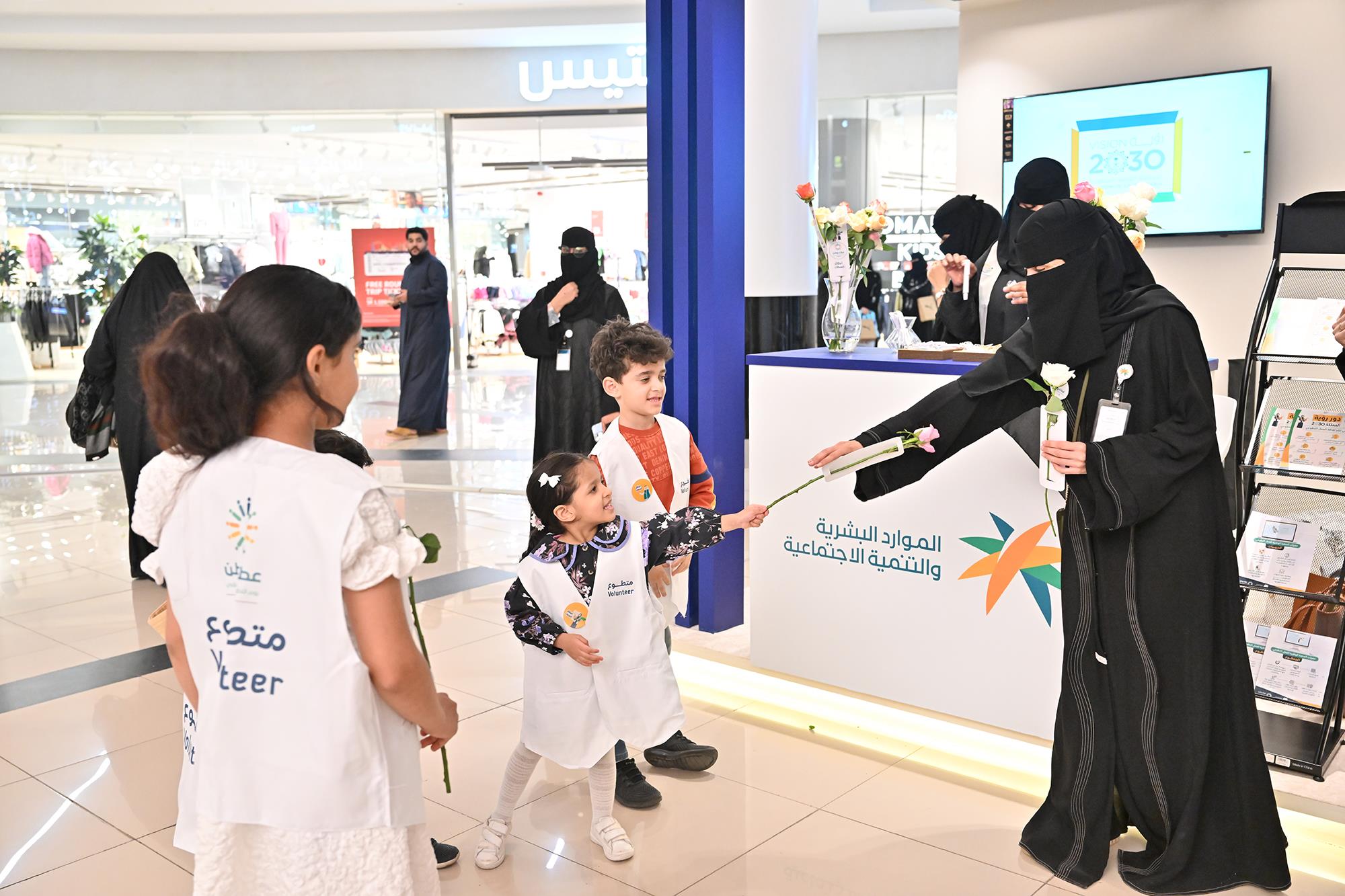
July 10, 2026, (SPA) – (FANA) Amidst the major national transformations taking place in the Kingdom, Saudi women have emerged as key partners in development and influential players in the non-profit sector. This shift is driven by an ambitious vision that is reshaping society, opening up vast opportunities for volunteer work, social innovation, and empowering vulnerable groups.Vision 2030 has resonated with the passion of Saudi women, resulting in a growing presence in leadership positions, an expansion of their professional roles, and a qualitative shift in the initiatives they lead, making them a pivotal element in building a cohesive and sustainable society.National Transformations and the Role of Women in the Non-Profit SectorThe non-profit sector in the Kingdom has witnessed unprecedented growth in recent years, driven by national transformation programs and direct support from the leadership. According to the National Center for Non-Profit Sector’s report for 2025, the number of non-profit organizations increased by more than 341% compared to previous years, reaching 7,200 organizations. Specialized organizations supporting national priorities increased to 5,495, representing 96.8% of the sector. The sector’s contribution to the GDP reached 1.40%, with a value of approximately SAR66 billion, alongside a massive expansion of its workforce to 141,432 employees, compared to just 19,200 in 2017.Volunteering has also seen a clear operational shift. The number of volunteers exceeded 1.7 million, while the economic value of volunteering per individual reached approximately SAR305, up from just SAR4 in 2018. Available volunteer opportunities increased to 552,000, and total volunteer hours exceeded 80 million, according to the annual Vision 2030 report for 2024. Additionally, the number of volunteers serving pilgrims exceeded 184,000 in 2025, marking a 20% growth rate compared to 2024. Efficiency in directing resources also improved, as development spending within the sector rose to SAR6.1 billion, compared to SAR1.6 billion in 2017. Reflecting efforts in governance and transparency, beneficiary satisfaction with non-profit services reached nearly 90%, compared to a baseline of 73% in 2019.Learning Disabilities Association Executive Director Dr. Firdous Jibril Falatah stated that this growth has directly impacted women’s participation, making it an integral part of development work across leadership, implementation, and volunteering. Women’s initiatives have diversified to encompass educational programs, support for people with disabilities, economic empowerment of families working in the cottage industry, health initiatives, cultural preservation, and childhood programs. This strong presence extends beyond the scale of participation to building social capital by strengthening trust and solidarity, which are key indicators of sustainable development and quality of life.Women’s Presence and Evolution in the SectorWomen’s Committee for Community Development in Riyadh Region Board of Directors Chair Princess Noura bint Mohammed bin Saud affirmed that attention to women is a firmly established strategic principle in the state’s approach since its founding. She said that the Saudi leadership has always believed that national progress cannot be achieved without the participation of all its citizens. Princess Noura pointed out that under Vision 2030, women’s presence in the non-profit sector has transformed from being primarily beneficiaries of welfare programs to contributing significantly to guiding the sector towards sustainability and practices that enable financial independence.This change has opened the way for women to actively participate in enabling initiatives, programs, and projects across various fields, including endowments, charitable work, humanitarian relief, and social responsibility. Princess Noura noted that women’s participation has helped direct the course of endowments to effectively support the national product, aligning with the sector’s 1.4% contribution highlighted in national reports.Women’s Leadership and Decision-MakingData from the National Observatory for Women showed that the women’s participation in development index reached 73 points in 2023, with a notable increase in the economic (59 points) and social (80 points) pillars, reflecting an expanding female presence in development sectors. With 92% of specialized organizations supporting development priorities, an environment has been created that provides women with greater opportunities to assume leadership positions on boards of directors and in managing strategic programs. Princess Noura affirmed that the percentage of women in leadership positions in development institutions has jumped thanks to national empowerment programs and the objectives of Vision 2030.King Saud University Advisor to the Vice President for Projects Dr. Malak Yahya Qattan said that the progress achieved by women in the last decade has transcended the traditional concept of empowerment, reaching a mature stage characterized by leading transformation. She noted that Saudi women have moved from implementation roles to leadership, planning, and decision-making roles within associations, charitable organizations, and endowment entities. She highlighted the presence of leading national institutions preparing a new generation of female leaders capable of managing strategic projects, including the Al-Nahda Society, the Alwaleed Philanthropies, and the Misk Foundation. National Observatory for Women Director Dr. Sanaa Mohsen Al-Otaibi confirmed that 2025 marked a qualitative leap in the empowerment of Saudi women, making investment in human capital a central pillar of national development. She stated that women’s empowerment has become a tangible developmental impact supported by official indicators. Performance indicators for Vision 2030 showed an increase in women’s participation in the labor market to 34.2%, while the economic participation rate for Saudi women aged 15 and above reached 36.3%. Regarding leadership empowerment, Dr. Al-Otaibi noted a rise in the percentage of women in middle and senior management positions to 44%, while the unemployment rate among Saudi women recorded a historic low, supported by flexible and remote work policies.New Professional Roles for WomenWomen’s roles in the non-profit sector are no longer limited to traditional volunteer work; they have expanded to include managing development projects, analyzing social data, designing community programs, leading financial sustainability, and overseeing governance and compliance. Data from the National Center for Non-Profit Sector indicates that 30,000 workers in the sector have been trained and qualified, a significant percentage of whom are women, enhancing their readiness to assume advanced roles.Dr. Qattan observed that women are shifting to highly impactful strategic roles, such as membership on specialized committees, developing risk management, designing performance indicators, managing social investments, and leading environmental sustainability initiatives. Dr. Falatah added that women’s leadership has contributed to high-quality initiatives in education, health, psychosocial support, vocational training, and social entrepreneurship, which correlates with the rise in sector-wide beneficiary satisfaction to 90%.Princess Noura added that initiatives stemming from Vision 2030 have successfully changed women’s roles to sustainable institutional practices by developing their capabilities in project management, data analytics, artificial intelligence applications, governance, and risk management, further supported by evolving national legislation.The Social and Economic Impact of Women’s ParticipationWomen have contributed significantly to raising the quality of life through impactful initiatives aimed at empowering vulnerable groups, supporting people with disabilities, promoting health awareness, and supporting youth. The non-profit sector contributed 0.99% to the GDP in 2024, exceeding its actual target and moving steadily towards the 5% goal set for 2030.Dr. Qattan emphasized that this change represents a fundamental shift in the level of responsibilities women undertake, strengthening their position as key partners in national goals. Dr. Falatah pointed out that the sector offers promising career paths and high-quality jobs, particularly in managing volunteer work, strategic partnerships, and social research, within a broader context that has seen women’s labor market participation rise to approximately 36%.Alwaleed Philanthropies Board of Trustees Member Dr. Wafaa Hamad Al-Tuwaijri noted that measuring the impact of women’s participation is a crucial step in developing their role. This impact is measured through indicators of economic empowerment, quality of life, and social services. She highlighted the recently launched women’s participation in development index, which assesses contributions across five main pillars: economic empowerment, education, health, leadership, and community participation.She also referred to the Riyadh Region women’s community participation index, launched in its initial phase (2026) by the Women’s Committee for Community Development in Riyadh Region, the National Observatory for Women, the Alwaleed Philanthropies, and the National Center for Non-Profit Sector. This index measures economic empowerment, volunteer participation, leadership participation, and institutional participation. Dr. Al-Tuwaijri added that this indicator comes in light of rapid sector growth, where the number of civil entities across the Kingdom reached 7,849, with Riyadh Region leading with 2,122 development entities distributed among 1,414 associations, 342 institutions, and 366 family funds, reflecting a qualitative expansion in development work.Innovation and Digital Transformation Led by WomenDigital transformation has become a fundamental element in the development of the non-profit sector, and women have distinguished themselves by developing digital platforms for volunteering, building beneficiary databases, and using artificial intelligence to analyze community needs. Vision 2030 reports indicate that the National Volunteer Portal hosts 2.1 million volunteers and 7,000 organizations, creating an environment that strengthens women’s digital participation.Dr. Al-Tuwaijri stated that women play an active role in enabling digital transformation by employing modern technologies, such as artificial intelligence and cloud computing, to improve performance, raise operational efficiency, and fulfill cybersecurity requirements.Dr. Falatah explained that capacity-building programs have enhanced women’s readiness to assume these technical and administrative responsibilities, leading to higher governance standards and increased participation of qualified women specializing in management, finance, law, and corporate communications. She emphasized that women are driving the development of electronic services that enhance access for beneficiaries, managing systems for remote consultations, e-learning, platforms supporting people with disabilities, and digital economic empowerment programs. She also stated that women’s participation is directly linked to improving the efficiency of social services, noting that they are best positioned to understand the needs of children, the elderly, low-income families, and women seeking economic independence.National and International PartnershipsThe National Center for Non-Profit Sector established more than 20 local partnerships and three international partnerships during 2024. Women played a pivotal role in leading these partnerships, particularly in associations specializing in women’s empowerment, family development, and culture. Dr. Al-Otaibi noted that the Kingdom maintained its advanced ranking in the World Bank’s Women, Business and the Law 2026 report and recorded an improvement in the gender gap index, highlighted by female talents receiving global awards in innovation and scientific research.Dr. Al-Otaibi pointed to the importance of documenting the historical contributions of Saudi women, citing the project documenting the history of pioneering women in institutional charitable work, which spans more than six decades, under the patronage of Princess Moudi bint Khalid bin Abdulaziz and in cooperation with the Al-Nahda Society.Dr. Falatah added that strategic partnerships are essential tools for modern development, and Saudi women have proven their ability to build alliances between the non-profit, public, and private sectors, coordinating processes to unify resources, manage corporate social responsibility programs, and measure the impact of joint projects.Princess Noura indicated that women successfully utilize their inherent skills to manage these community initiatives and activate effective communication networks.Education: A Development Partner for the Non-Profit SectorAdvisor at the Ministry of Education Dr. Najah Al-Qaraawi spoke about the relationship between universities and the non-profit sector, stating that community service is an original and strategic function of universities alongside education and scientific research under Vision 2030. Universities are fulfilling their role through institutionalized social responsibility frameworks, establishing guidelines for staff and students to engage in volunteer work and community development according to approved performance indicators.Dr. Al-Qaraawi pointed out that during her work establishing and leading the deanship of community service and sustainable development at Imam Abdulrahman bin Faisal University, she forged sustainable community partnership agreements based on utilizing academic and research capabilities to serve the goals of the non-profit sector. This model institutionalized social responsibility, resulting in lasting initiatives such as a program for disaster safety, which graduated more than 1,500 volunteers who continue to serve their communities.Regarding the establishment of the Social Responsibility Bank in 2019, Dr. Al-Qaraawi affirmed that it is an innovative model for documenting and systematically measuring universities’ efforts. The bank received a US patent, the first of its kind globally, as a practical expression of the non-profit sector as a strategic partner. Through her current role as an advisor at the Ministry of Education, Dr. Al-Qaraawi seeks to institutionalize social responsibility across all public and private Saudi universities, deeply aligning higher education institutions with the economic and developmental goals of Vision 2030.Saudi Women Who Have Made a Tangible ImpactDr. Falatah affirmed that the Kingdom is rich with inspiring female role models who have led societal change across the fields of disability support, childhood protection, health, environment, and culture. She highlighted leaders who established specialized programs for rehabilitation and inclusive education, as well as specialists focused on child protection, positive parenting programs, and protecting children from digital risks.Dr. Qattan cited several successful female role models leading institutions according to the highest standards of governance and sustainability. Among them is Saudi Ambassador to the United States Princess Reema bint Bandar bin Sultan, who represents a global model of leadership transformation and supports numerous developmental, sports, and social initiatives. She also noted Dr. Hala Al-Tuwaijri, who leads national files related to enhancing women’s participation in decision-making positions, and Princess Lamia bint Majid, who successfully shifted a global institution from traditional charity work to methodologies focused on impact measurement and international partnerships. Additionally, Huda Al-Jeraisy has contributed to the development of women’s institutional work through specialized councils, and Nuha Al-Zamil stands out as a prominent figure in developing social initiatives and empowering women economically.These experiences have become part of an integrated national system contributing to sustainable development. Regarding the leading institutional model of the Al-Nahda Society, its CEO Dr. Muzna Al-Omair stated that since its establishment in 1962, the society has worked to realize its vision of women as active partners in the community. Al-Omair explained that while artificial intelligence serves as a powerful platform for empowering women, it introduces challenges like the digital divide and digital violence. Consequently, Al-Nahda focuses on economic and social empowerment, providing training programs, workshops, and consultations to help women leverage artificial intelligence tools for digital entrepreneurship and career adaptation.Al-Omair added that in the data age, Saudi women find opportunities to lead digital transformation by combining professional experience with leadership awareness, social sensitivity, and digital literacy. The society has designed an electronic system based on artificial intelligence to analyze input data, helping female leaders make decisions that achieve their strategic goals.Meanwhile, Dr. Falatah, through her leadership at the Learning Disabilities Association, spearheaded initiatives to support people with disabilities, noting that the sector’s growth aligns perfectly with Vision 2030’s goal to increase the non-profit sector’s contribution to the GDP to 5% by 2030, creating extensive opportunities for women to manage endowment entities and develop social entrepreneurship policies.The Future of Women in the Non-Profit SectorNational indicators and research studies show that Saudi women are moving towards a deeper and more influential role in the non-profit sector, supported by a sophisticated regulatory environment, high-quality empowerment programs, and rapid growth in organizational opportunities. The coming years are expected to witness an increase in the percentage of women in senior leadership, an expansion in social innovation, a greater presence in international partnerships, and a higher overall contribution to the national economy.Dr. Al-Otaibi stated that these achievements reflect a wise leadership that prioritizes human development, emphasizing that the role of women is now measured by the value they add and their ability to improve the quality of life as a renewed national model of influence both locally and globally. Dr. Qattan added that the next phase will witness Saudi women transitioning completely from empowerment to impactful leadership, with the challenge lying in expanding their qualitative impact in social investment, endowment management, data analysis, and institutional transformation.The future holds greater opportunities for women to contribute to the non-profit sector in a professional, sustainable, and innovative manner under the framework of Vision 2030.– SPA