Saudi Arabia’s Voluntary Carbon Market Fuels the Shift to a Low-Carbon

Under UAE President’s directives, UAE launches urgent relief response for Ghana flood victims

Combating Desertification and Drought: Qatar a Model in Preserving Natural Resources, Establishing Environmental Stability
UAE allocates US$30 million for emergency humanitarian response in El Obeid, calls for civilian protection, safe humanitarian aid access in Sudan

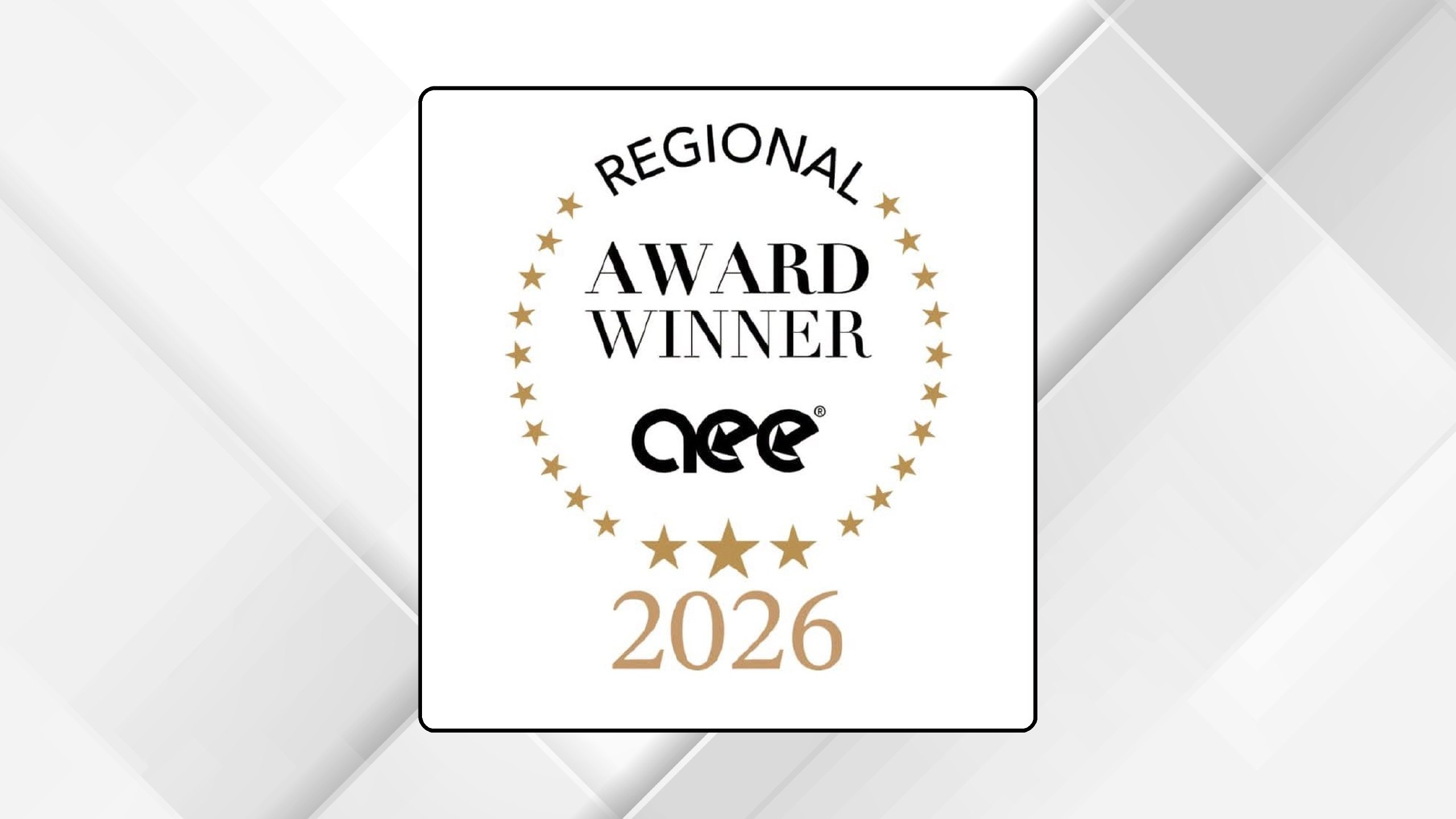
Amman, July 12 (Petra) — The Water Authority of Jordan’s Energy Unit
on Sunday won the 2026 Institutional Energy Management Award for the
Middle East and North Africa, presented by the Association of Energy
Engineers (AEE), in recognition of its efforts to institutionalize
energy management and improve energy efficiency across Jordan’s water
sector.
Minister of Water and Irrigation Raed Abu Saud described the
achievement as a “major milestone” that showcases Jordan’s regional
leadership in sustainable energy management across its water
infrastructure. He noted that the award reflects the sector’s success
in building a pioneering institutional model that operates according
to global best practices and standardizes energy governance across
all facilities.
He said the award supports the goals of Jordan’s National Water
Strategy 2023-2040, which identifies energy efficiency as a priority
since the water sector accounts for about 15 percent of the country’s
total electricity consumption. Abu Saud added that Jordan aims to
increase renewable energy’s share of the sector’s power use to 40
percent by 2040 while advancing the Water-Energy-Food-Environment
(WEFE) Nexus approach.
Several core initiatives drove the recognition, starting with the
establishment of a sector-wide energy management system grounded in
international ISO 50001 standards. The system includes policies,
procedures, governance frameworks, internal audits, performance
indicators and continuous improvement mechanisms, making energy
management an integral part of the sector’s administrative and
operational processes.
To support this framework, the unit rolled out the Water and Energy
Data Management System (WE-DMS), a digital platform that monitors
power consumption to enable data-driven operational decisions.
Beyond data tracking, the unit has spearheaded critical technical
advancements to strengthen strategic energy planning across the water
sector. This includes developing comprehensive, investment-ready
roadmaps for both solar energy implementation and energy efficiency,
as well as conducting a sectoral study on load management and
time-shifting to take advantage of optimal electricity tariffs.
By introducing energy storage applications and updating technical
specifications for water and wastewater equipment, the ministry has
integrated international Measurement and Verification (M&V)
methodologies and transitioned to Life-Cycle Cost (LCC) assessments
to maximize the financial and operational value of all future
infrastructure investments.
To sustain these institutional capabilities, the minister explained
that specialized training and qualification programs were introduced
to upskill utility personnel. This effort has successfully certified
Water Authority and water company staff with accredited international
professional credentials in energy auditing, management, and
verification from prestigious global bodies.
Abu Saud also highlighted the role of cross-sector collaboration in
advancing sustainable resource management, noting that the unit’s
efforts have strengthened coordination between the water and energy
sectors and supported partnerships with national institutions, donors
and international organizations. He said these efforts have
reinforced the integration of national water and energy policies,
supported Jordan’s transition toward a green economy and digital
transformation, and contributed to enhancing water and energy
security, reducing carbon emissions and improving the sustainability
of strategic projects in line with international best practices.
//Petra// HA