Saudi Arabia’s Voluntary Carbon Market Fuels the Shift to a Low-Carbon

Under UAE President’s directives, UAE launches urgent relief response for Ghana flood victims
Combating Desertification and Drought: Qatar a Model in Preserving Natural Resources, Establishing Environmental Stability

UAE allocates US$30 million for emergency humanitarian response in El Obeid, calls for civilian protection, safe humanitarian aid access in Sudan

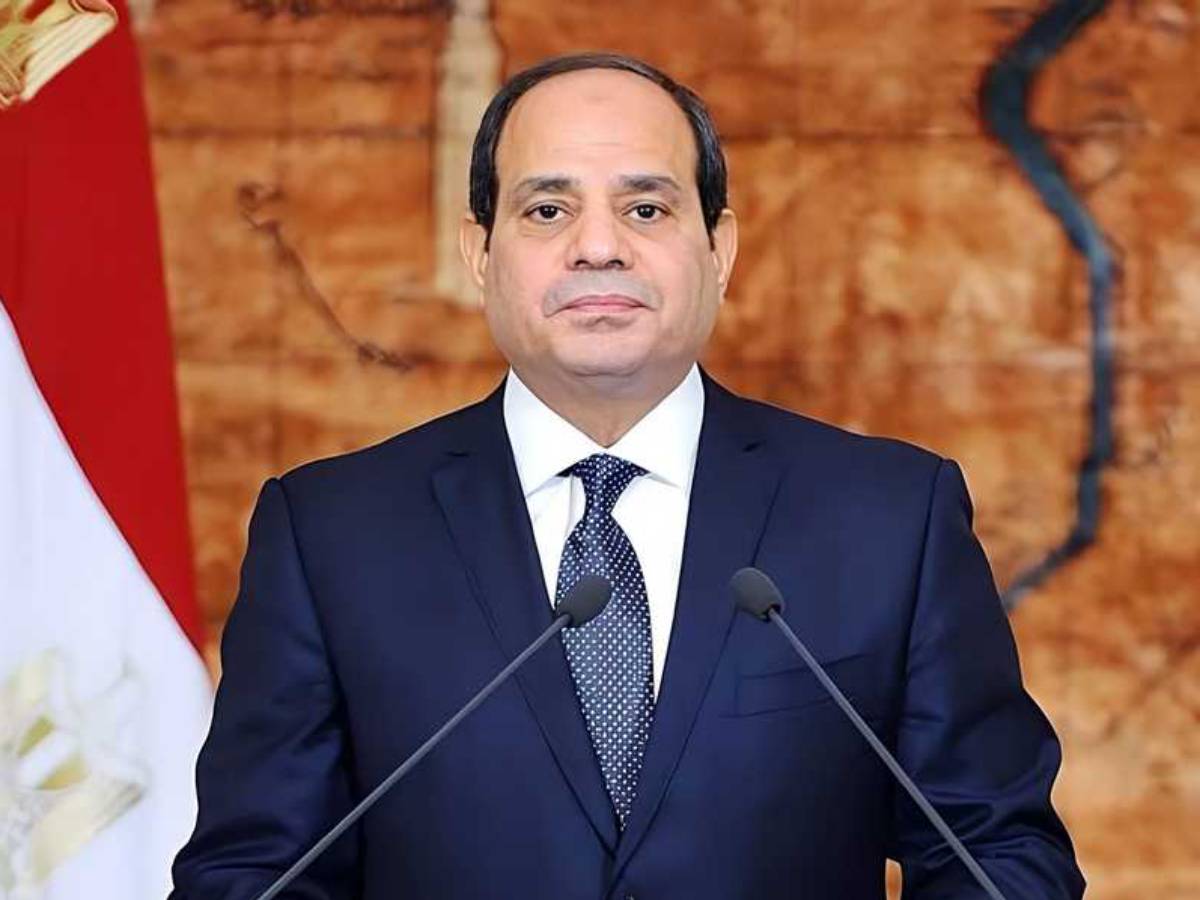
Cairo, March 08 (QNA) – Egyptian President Abdel Fattah El-Sisi and his French counterpart Emmanuel Macron emphasized, in a telephone call today, the criticality of resolving crises through peaceful means and ramping up regional and global efforts to contain escalation and spare the Middle East from further tension and instability.
The sides agreed, during the call, to continue close consultations between the two countries regarding regional issues and ongoing crises, the Egyptian Presidency reported in a statement.
As such, El-Sisi stressed that he is deeply apprehensive over the military escalation unfolding in the region, as well as the ongoing war in Iran and its ensuing menacing consequences, chief among them the spike in energy prices and the impact on supply chains and both air and maritime traffic, whether for Egypt or on the regional and global stages.
El-Sisi railed against Iran targeting Arab nations at a time when the Gulf nations and other regional parties have been keen on de-escalation and pursuing a diplomatic solution for the Iranian nuclear issues. He warned of the conflict spillover risks, which could take the entire region to the tango amid chaos.
For his part, Macron appreciated the Egyptian efforts to contain the ongoing crisis, underscoring France’s commitment to swiftly restoring peace and stability to the region.
Pertaining to the developments in the Gaza Strip, the two sides stressed the importance of full implementation of the ceasefire accord and ensuring the flow of sufficient humanitarian aid without any uphill obstacles, in addition to the significance of initiating early recovery and reconstruction of the enclave, with particular emphasis on rejecting any attempts to displace Palestinians from their lands.
Regarding the developments in Lebanon, they underlined the importance of combined efforts, especially among the Quartet countries, to prevent all-out escalation and cease targeting Lebanon and its infrastructure.
They further pointed out that what matters most is the continuation of supporting the Lebanese State and its institutions, enabling the Lebanese military to undertake its responsibilities in light of the recent decisions to ensure that the state holds a monopoly on the legitimate use of weapons. (QNA)