Saudi Arabia’s Voluntary Carbon Market Fuels the Shift to a Low-Carbon

Under UAE President’s directives, UAE launches urgent relief response for Ghana flood victims

Combating Desertification and Drought: Qatar a Model in Preserving Natural Resources, Establishing Environmental Stability

UAE allocates US$30 million for emergency humanitarian response in El Obeid, calls for civilian protection, safe humanitarian aid access in Sudan

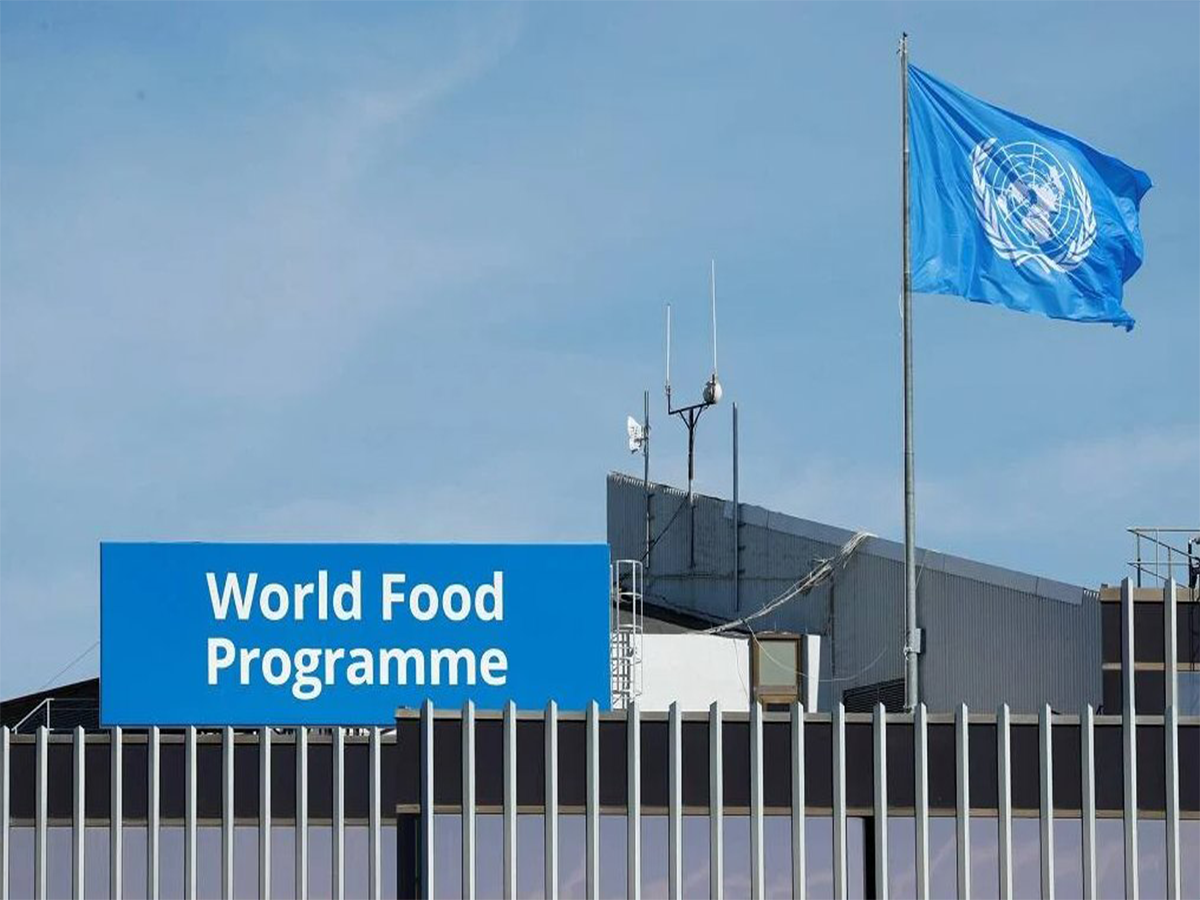
Rome, March 10 (QNA) – The World Food Programme warned that rising food and fuel prices could push global hunger to higher levels, adding that the military escalation in the Middle East has already brought immediate effects on the region’s food security situation, including in Lebanon, Iran, and Gaza.
In a press statement, the programme said that disrupted supply chains, rising costs, and declining household purchasing power will push people who were already on the brink of hunger into more severe levels of food insecurity. It noted that the escalation in the Middle East was causing significant disruptions in global supply chains. It also said that a large portion of global fertilizer supplies passed through the Strait of Hormuz.
The programme also pointed out that rising oil prices were adding further pressure.
Since tensions in the Middle East began, oil prices have increased noticeably, raising fuel and transportation costs and increasing the risk of a return of global inflation, with direct impacts on food prices worldwide. These pressures on supply chains are also increasing the costs of the World Food Programme’s life-saving operations. (QNA)