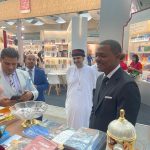
Saudi Arabia’s Voluntary Carbon Market Fuels the Shift to a Low-Carbon

Under UAE President’s directives, UAE launches urgent relief response for Ghana flood victims

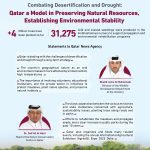
Combating Desertification and Drought: Qatar a Model in Preserving Natural Resources, Establishing Environmental Stability
UAE allocates US$30 million for emergency humanitarian response in El Obeid, calls for civilian protection, safe humanitarian aid access in Sudan

Khartoum, April 7, 2026 (SUNA) – Minister of Animal Resources and Fisheries, Professor Ahmed Al-Tijani Al-Mansouri, underscored the importance of applied research in developing milk and meat production, noting that genetic improvement represents a priority for increasing both production and productivity of dairy cattle breeds in the country. Speaking at a scientific workshop titled “The Future Vision for Genetic Improvement of Dairy Breeds in Sudan,” organized by the Ministry at its headquarters on Tuesday, he stated that reassuring messages have been sent to the world that Sudan possesses the will and plans to transform challenges into major investment opportunities. Al-Mansouri announced the launch of a plan encompassing 40 vital projects aimed at increasing production and developing infrastructure. He said it is a practical and executable plan, not merely theoretical, through the establishment of livestock production cities in the states. The Minister added that Sudan has a distinct advantage in accessing Gulf markets, with exports reaching Jeddah Port within just ten hours, thereby reducing shipping and insurance costs and ensuring that products arrive fresh. For his part, expert in genetic resources, Professor Faisal Omar Ahmed Al-Zubair, stated that Sudan is moving toward adopting a future vision to develop the dairy sector through genetic improvement programs aimed at increasing productivity, achieving food security, and strengthening the economy. He stressed the importance of enacting laws and legislation to protect dairy cattle breeds to ensure the success of artificial insemination programs in increasing production and efficiency. He affirmed that Sudan possesses significant competitive advantages, including the diversity of local breeds characterized by resilience and adaptability to environmental conditions, which provides promising opportunities for crossbreeding programs with international breeds to meet the growing demand for dairy. Professor Faisal called on producers and breeders to adopt modern technologies, including artificial insemination and biotechnology, to develop breeds that combine global milk production levels with the ability to adapt to local conditions.BH/BH