Jordan’s Q2 2026 GDP Expands 3.0%, Outperforming Regional Headwinds, International Forecasts
ENV-KUWAIT-SUSTAINABLITYKuwait strengthens environmental sustainability through strategic initiativesBy Zahra Al-Kadhmi

HLT-KUWAIT-SURGERYKuwait advances health sector with robotic, remote surgeryBy Mohammad Al-Moseb

Saudi Arabia’s Voluntary Carbon Market Fuels the Shift to a Low-Carbon

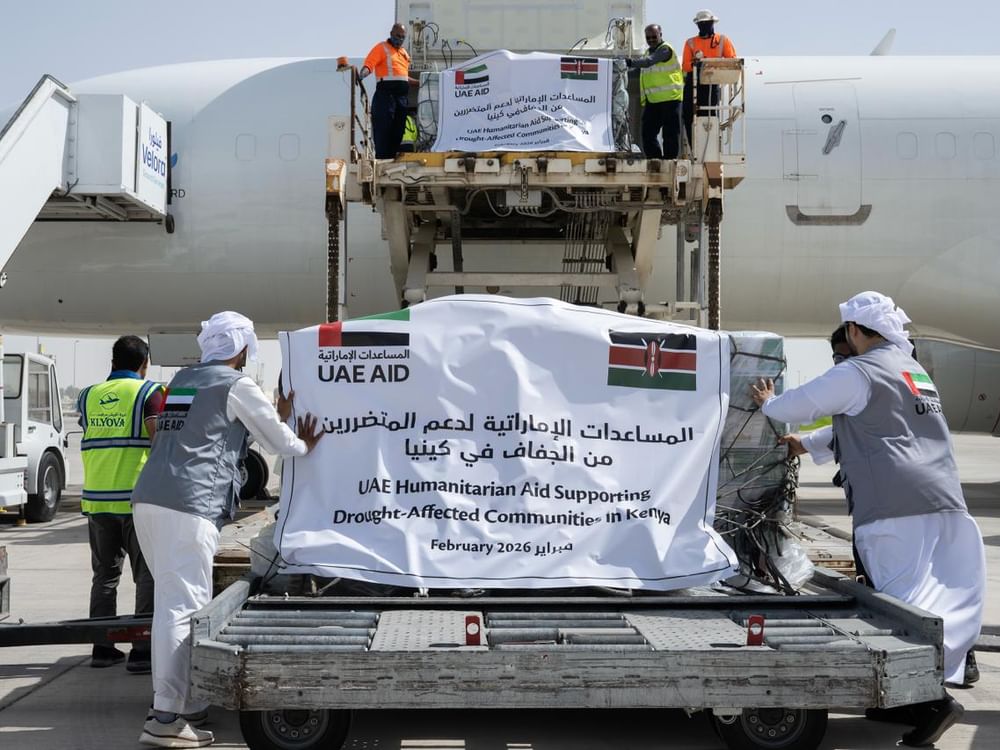
ABU DHABI, 20th February, 2026 (WAM) — The United Arab Emirates has dispatched 30 tonnes of food assistance to Kenya through the UAE Aid Agency, in support of families impacted by severe drought conditions and escalating climate challenges affecting the country.Kenya is currently facing intensified climatic impacts, including the “La Niña” phenomenon, caused by cooler-than-average sea surface temperatures that disrupt weather patterns.These conditions have adversely affected food security across several regions of the country.Dr. Tareq Ahmed Al Ameri, Chairman of the UAE Aid Agency, reaffirmed the UAE’s steadfast humanitarian approach in extending assistance to communities in need around the world. He emphasized the country’s continued commitment to promoting the values of solidarity and humanitarian cooperation, particularly during the holy month of Ramadan. The UAE remains dedicated to standing alongside nations facing difficult circumstances due to disasters, crises, or challenges in accessing essential food supplies.He further noted that the teams of the UAE Aid Agency, in coordination with national donor entities and charitable organisations, continue to provide comprehensive support to ensure rapid response and early recovery in humanitarian emergencies and climate-related crises.He highlighted that the UAE’s efforts reflect its enduring humanitarian legacy and unwavering commitment to delivering aid and supporting vulnerable communities across all continents.Kenya has been experiencing severe drought waves that have significantly impacted food security, contributed to wildlife degradation, and exacerbated water shortages, thereby increasing the need for essential food assistance among affected populations.