Saudi Arabia’s Voluntary Carbon Market Fuels the Shift to a Low-Carbon

Under UAE President’s directives, UAE launches urgent relief response for Ghana flood victims

Combating Desertification and Drought: Qatar a Model in Preserving Natural Resources, Establishing Environmental Stability

UAE allocates US$30 million for emergency humanitarian response in El Obeid, calls for civilian protection, safe humanitarian aid access in Sudan

Gaza, April 11 (QNA) – The Palestinian Ministry of Health in Gaza said that the healthcare system in the Strip reached a catastrophic level, where even the most basic health rights are being violated, due to the ongoing Israeli blockade and restrictions on the entry of medicines, treatments, and urgent medical supplies.
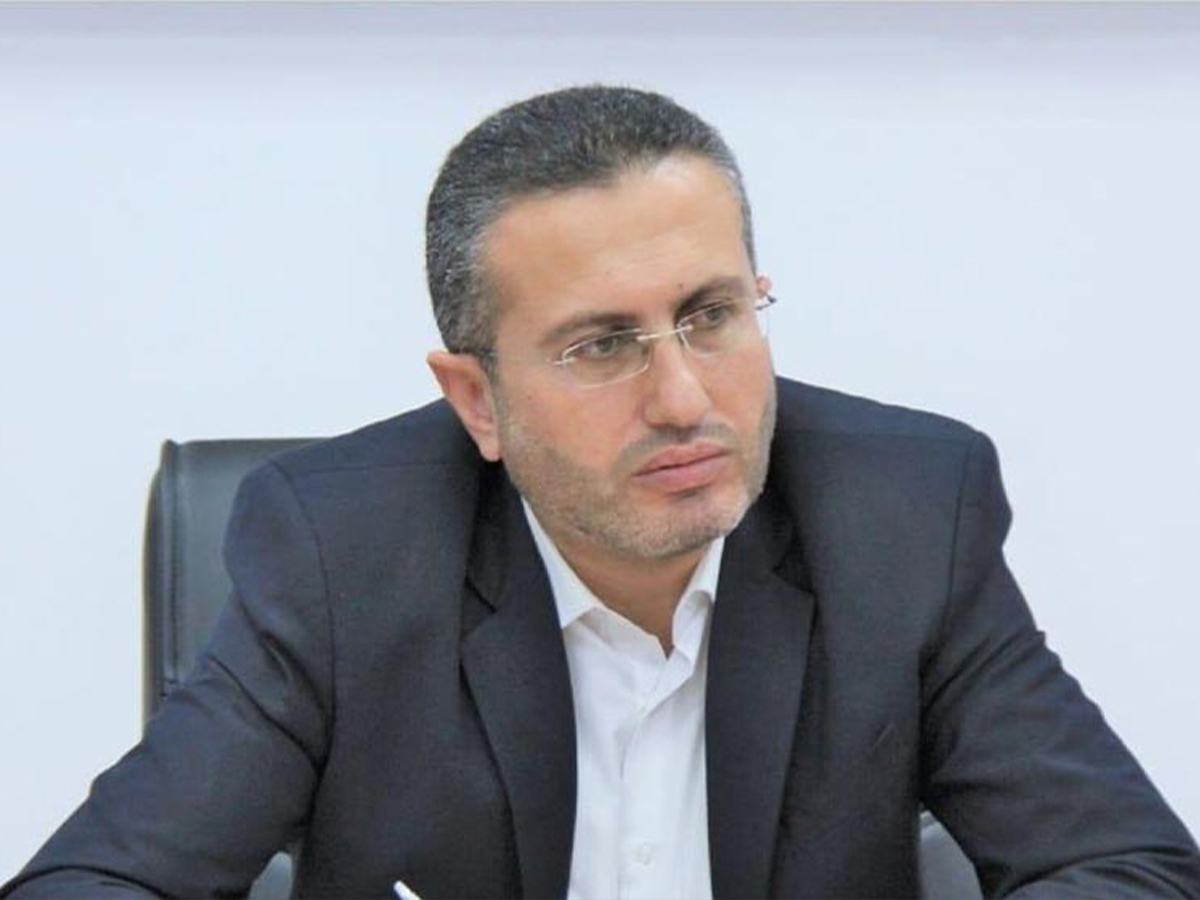
Director General of Hospitals in Gaza, Dr. Mohammed Zaqout, told Qatar News Agency (QNA) that the situation has gone beyond conventional crises, with surgical procedures now limited to emergency cases only amid a sharp decline in hospitals’ operational capacity.
He said patients are being deprived of treatment, while surgeries are carried out under extremely harsh conditions, reflecting the international community’s inability to address an unprecedented humanitarian crisis.
Dr. Zaqout noted that shortages have reached 50 percent in medicines, 57 percent in medical consumables, and 71 percent in laboratory supplies, severely undermining the healthcare system’s ability to respond to growing needs. Cancer services are among the hardest hit, with a 61 percent shortage in specialized drugs affecting around 4,100 cancer patients in the Strip.
He added that primary care, neurology, nephrology, surgery, and intensive care services are all facing shortages exceeding 40 percent in essential medicines, while open-heart surgeries and cardiac catheterization procedures have completely stopped due to lack of resources. There is also an 89 percent shortage in ophthalmic surgical supplies.
Hospital bed capacity has dropped by more than 55 percent despite rising numbers of patients and wounded, while 22 hospitals and 90 health centers are out of service. Facilities that remain operational have suffered severe infrastructure damage, and imaging services and medical equipment face critical shortages.
Dr. Zaqout said more than 21,500 patients and wounded individuals are currently on waiting lists to travel abroad for treatment via the Rafah crossing, including 195 critical cases. He added that 1,517 patients have died while waiting to travel, amid Israeli restrictions and complex procedures. Only around 420 patients have been evacuated over the past six months, fewer than 70 per month.
He also warned of an imminent threat to hospital operations due to a worsening shortage of generator oil, with a monthly requirement of 2,500 liters, and a lack of spare parts due to restrictions on their entry.
Around 90 generators have gone completely out of service, while 38 are operating on limited fuel, and 11 require urgent maintenance. Hospitals rely heavily on these generators due to frequent power outages.
Dr. Zaqout cautioned that any shutdown of generators would directly affect critical departments, including intensive care units, neonatal incubators, and dialysis units, putting patients’ lives at serious risk. Power outages also lead to the spoilage of sensitive medicines, vaccines, and blood units, and disrupt the functioning of critical medical equipment.
He reiterated that surgeries are now restricted to emergency cases only, further worsening patient suffering and delaying essential care.
In conclusion, Dr. Zaqout warned that the continued accumulation of crises could lead to a complete collapse of healthcare services for hundreds of thousands of residents, calling on international health organizations to intervene urgently before the system ceases to function entirely.
The healthcare sector in Gaza is facing an unprecedented collapse in medical and humanitarian services, as restrictions on the entry of medicines, supplies, and medical teams continue, raising fears of a full-scale humanitarian catastrophe. (QNA)