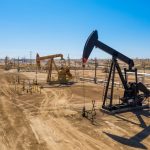
Saudi Arabia’s Voluntary Carbon Market Fuels the Shift to a Low-Carbon

Under UAE President’s directives, UAE launches urgent relief response for Ghana flood victims

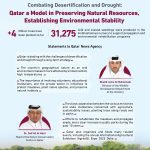
Combating Desertification and Drought: Qatar a Model in Preserving Natural Resources, Establishing Environmental Stability
UAE allocates US$30 million for emergency humanitarian response in El Obeid, calls for civilian protection, safe humanitarian aid access in Sudan


Khartoum, June 16, 2026 (SUNA) — The Third Sudan National Climate Outlook Forum concluded its proceedings on Tuesday with a call for stronger coordination among all institutions concerned with climate-related issues, including civil defence, agriculture, health, disaster risk reduction, and environmental sectors, to maximize available opportunities and address the challenges posed by climate change. Held under the theme “Early Warning, Accurate Forecasts and Better Protection,” the two-day forum was organized by the Sudan Meteorological Authority under the Ministry of Agriculture and Irrigation. Participants stressed the importance of coordinated action to mitigate the impacts of drought, floods, flash floods, and rising temperatures, while enhancing preparedness and resilience. The forum featured a series of scientific presentations examining both the opportunities and risks associated with climate conditions and climate change, with participation from government institutions, local organizations, and regional and international partners. Speaking at the closing session, Acting Director of Observation and Forecasting at the Sudan Meteorological Authority Mohamed Sharif Mohamed Zein said the forum’s recommendations would serve as a guide for relevant state institutions in developing seasonal preparedness measures aimed at strengthening food security, protecting public health, and reducing disaster risks. Director of International Relations and Head of the Authority’s Emergency Operations Room, Mohamed Ahmed Sabah Al-Kheir, underscored the importance of such forums in shaping informed national responses to climate-related challenges that directly affect food security and the daily lives of citizens. He also praised the active engagement of participating institutions. BH/BH