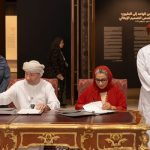
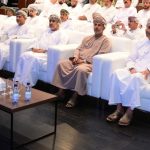
Saudi Arabia’s Voluntary Carbon Market Fuels the Shift to a Low-Carbon

Under UAE President’s directives, UAE launches urgent relief response for Ghana flood victims
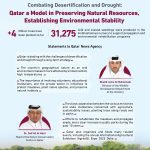
Combating Desertification and Drought: Qatar a Model in Preserving Natural Resources, Establishing Environmental Stability
UAE allocates US$30 million for emergency humanitarian response in El Obeid, calls for civilian protection, safe humanitarian aid access in Sudan


Port Sudan, July 4, 2026 (SUNA) — Representatives of Sennar State communities on Saturday signed a Reconciliation and Peaceful Coexistence Charter in Khartoum under the patronage of the President of the Transitional Sovereignty Council (TSC), General Abdel Fattah Al-Burhan, with the supervision of Prime Minister Dr. Kamil Idris and the organization of the Supreme Council for Social Peace. Representatives of the reconciliation parties—Nazir Ibrahim Al-Fouda, Nazir Salah Mohamed Al-Mansour Al-Ajab, Omda Mohamed Saleh, and Dr. Musa Manzoul Ibrahim—said the charter would mark a qualitative turning point in strengthening the social fabric and would have a positive impact on coexistence among all communities across the state. They commended the state’s leadership for its support, supervision, and follow-up of the document’s completion and signing ceremony, affirming that the people of Sennar stand united behind the state as it wages the “Battle of Dignity” against an external-backed enemy. For his part, Dr. Al-Nour Al-Sheikh Al-Nour, Head of the Supreme Council for Social Peace, outlined the steps that led to the charter, explaining that the committee travelled to Sennar State, discussed the root causes of the crisis with all parties, and drafted a consensus-based charter as the outcome of those discussions and consultations. He said Sudan is facing challenges and hardships that require capable community leadership, praising the resilience of the Sudanese Armed Forces and supporting forces in confronting the aggression by the rebel Rapid Support Forces (RSF) militia, and expressing appreciation for their sacrifices. The head of the Supreme Council for Social Peace also issued several appeals, calling on national, social, religious, and political leaders to strengthen unity, improve performance, and formulate a national vision that would lead to economic recovery. He further urged the public to increase production, cooperate with and support the Government of Hope, and called on religious leaders to promote peaceful coexistence and goodwill among the people.BH/BH