Saudi Arabia’s Voluntary Carbon Market Fuels the Shift to a Low-Carbon

Under UAE President’s directives, UAE launches urgent relief response for Ghana flood victims

Combating Desertification and Drought: Qatar a Model in Preserving Natural Resources, Establishing Environmental Stability
UAE allocates US$30 million for emergency humanitarian response in El Obeid, calls for civilian protection, safe humanitarian aid access in Sudan

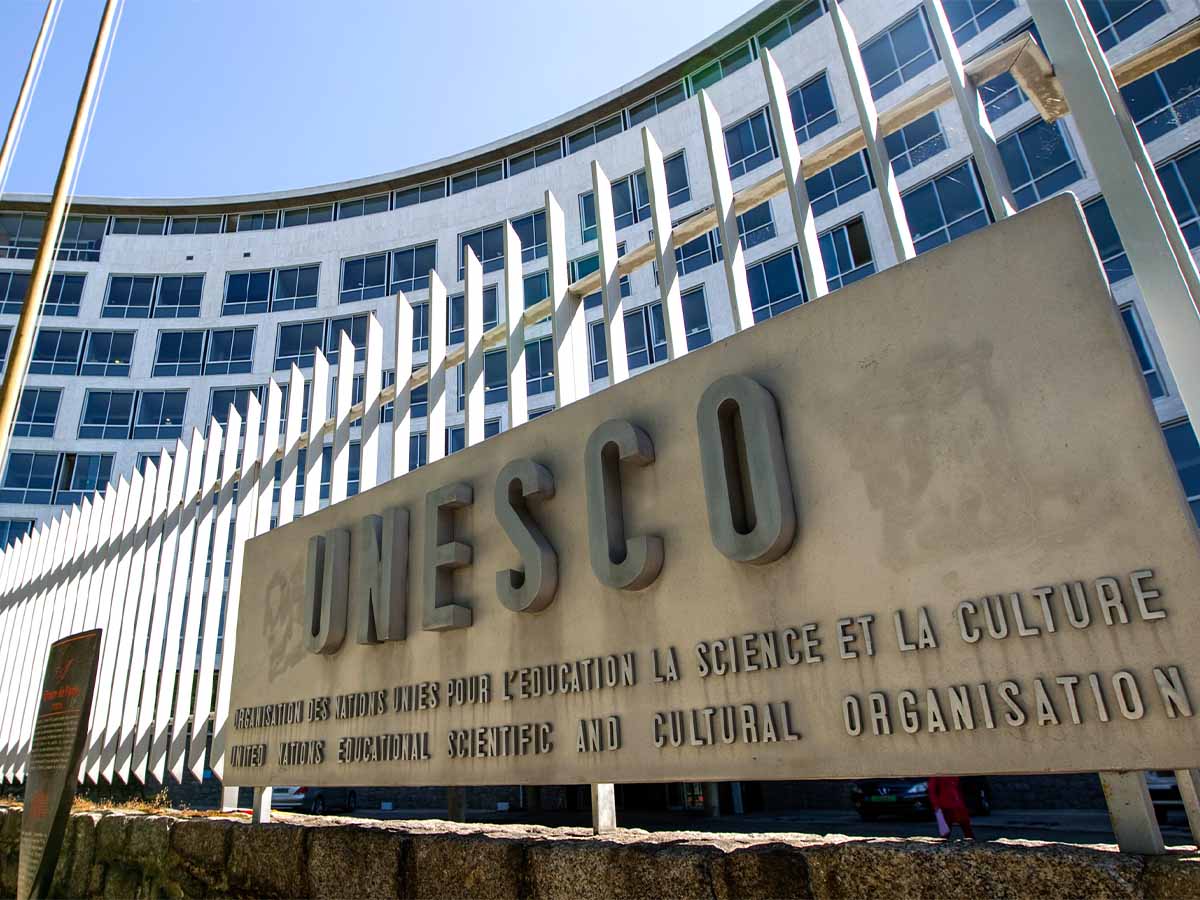
Seoul, July 26 (QNA) – The UNESCO World Heritage Committee has inscribed ten newly recognized cultural and natural sites on the World Heritage List, representing civilizational and environmental diversity from around the globe.
This came during the 48th session currently underway in Busan, Republic of Korea, which will continue until July 29, 2026.
The newly inscribed sites include the Ancient Capitals of Asuka and Fujiwara in Japan, Tashkent Modernist Architecture in Uzbekistan, the Rocas of Sao Tome and Príncipe, the Wider Area of Mount Olympus in Greece, Aalto Works in Finland, and the Beaches of the D-Day Landings, Normandy, 1944.
Also placed on the List are the Capetian Royal Fortresses of Languedoc in France, the System of Italian-style Condominio Theatres in Italy, in addition to the extension of the Berlin Modernism Housing Estates site through the inclusion of Waldsiedlung Zehlendorf.
The new sites highlight crucial chapters in the history of human civilizations, the evolution of architecture and the arts, and historical memory, alongside natural sites of outstanding value, reinforcing efforts to preserve global cultural and natural heritage for future generations.
The 21 committee members, elected from among 196 countries, uphold a fundamental responsibility under the World Heritage Convention, identifying new sites to be added to the List and monitoring the conservation status of sites already inscribed. (QNA)