
Saudi Arabia’s Voluntary Carbon Market Fuels the Shift to a Low-Carbon

Under UAE President’s directives, UAE launches urgent relief response for Ghana flood victims

Combating Desertification and Drought: Qatar a Model in Preserving Natural Resources, Establishing Environmental Stability

UAE allocates US$30 million for emergency humanitarian response in El Obeid, calls for civilian protection, safe humanitarian aid access in Sudan

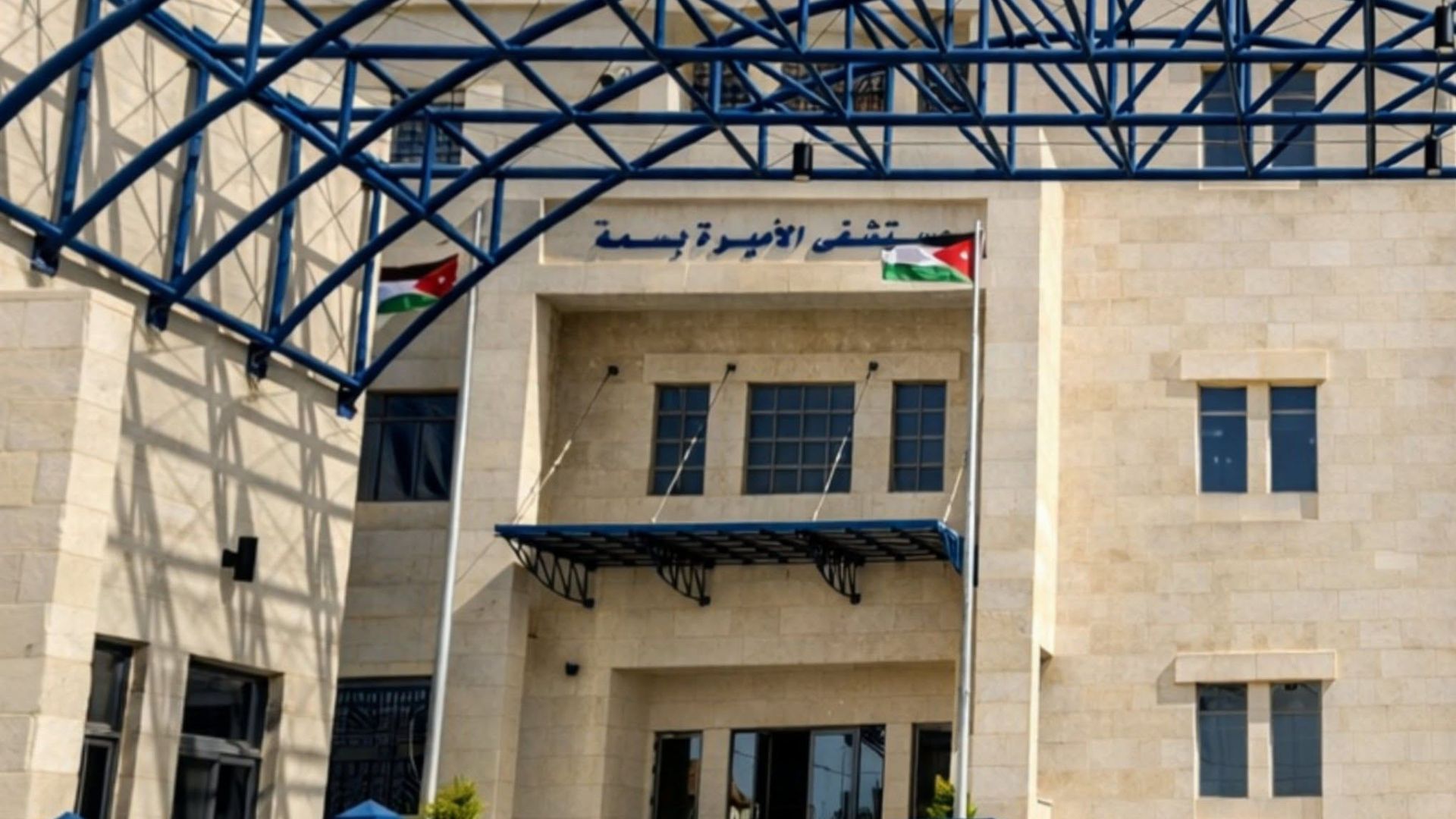
Irbid, August 4 (Petra) – Princess Basma Teaching Hospital introduced
two advanced regional anesthesia techniques, Caudal Block and
Transversus Abdominis Plane (TAP) Block, as part of its efforts to
enhance patient safety, improve postoperative pain management, and
keep pace with the latest developments in medical care.
Hospital Director Walid Halabi said Tuesday the new techniques
reflect the hospital’s commitment to providing advanced and safe
healthcare, particularly for the most vulnerable age groups, as part
of a comprehensive plan to modernize its medical departments.
Speaking to the Jordan News Agency (Petra), Halabi said the Caudal
Block is one of the most effective and widely used regional
anesthesia techniques for children. It provides anesthesia and
postoperative pain relief for procedures involving the lower abdomen
and lower limbs, including urological surgeries, inguinal hernia
repair, and orthopedic procedures. He said the technique is highly
effective, has a low complication rate, reduces the need for opioid
analgesics, and promotes faster recovery.
He added that the Transversus Abdominis Plane (TAP) Block is an
ultrasound-guided regional anesthesia technique in which a local
anesthetic is injected into the fascial plane between the abdominal
muscle layers to provide effective pain relief following abdominal
surgery.
Halabi said the TAP Block is an important component of multimodal
pain management because it reduces reliance on opioid medications and
their associated side effects, including nausea, vomiting, and
respiratory depression.
He noted that the technique is used in general surgical procedures,
including gallbladder, appendix, hernia, gastric and intestinal
surgeries, as well as urological procedures involving the prostate
and kidneys. Its analgesic effect can last for up to 24 hours.
He said the introduction of the new techniques is the culmination of
the hospital’s continuous efforts to strengthen its position as a
leading healthcare institution and improve the quality of specialized
medical services across the Kingdom.
Halabi also announced that all operating rooms at the hospital have
been completed and are fully operational, increasing daily surgical
capacity, reducing waiting times, and improving overall service
performance.
He added that the two techniques, along with other regional
anesthesia methods, have become part of the hospital’s routine
clinical practice due to their proven role in improving the quality
of care and increasing patient satisfaction following surgical
procedures.
Healthcare professionals said the adoption of advanced anesthesia
technologies marks an important step in developing Jordan’s
healthcare system and reflects ongoing efforts to deliver safe,
high-quality medical care while improving treatment outcomes for
patients.
//Petra// AJ