Saudi Arabia’s Voluntary Carbon Market Fuels the Shift to a Low-Carbon

Under UAE President’s directives, UAE launches urgent relief response for Ghana flood victims

Combating Desertification and Drought: Qatar a Model in Preserving Natural Resources, Establishing Environmental Stability

UAE allocates US$30 million for emergency humanitarian response in El Obeid, calls for civilian protection, safe humanitarian aid access in Sudan

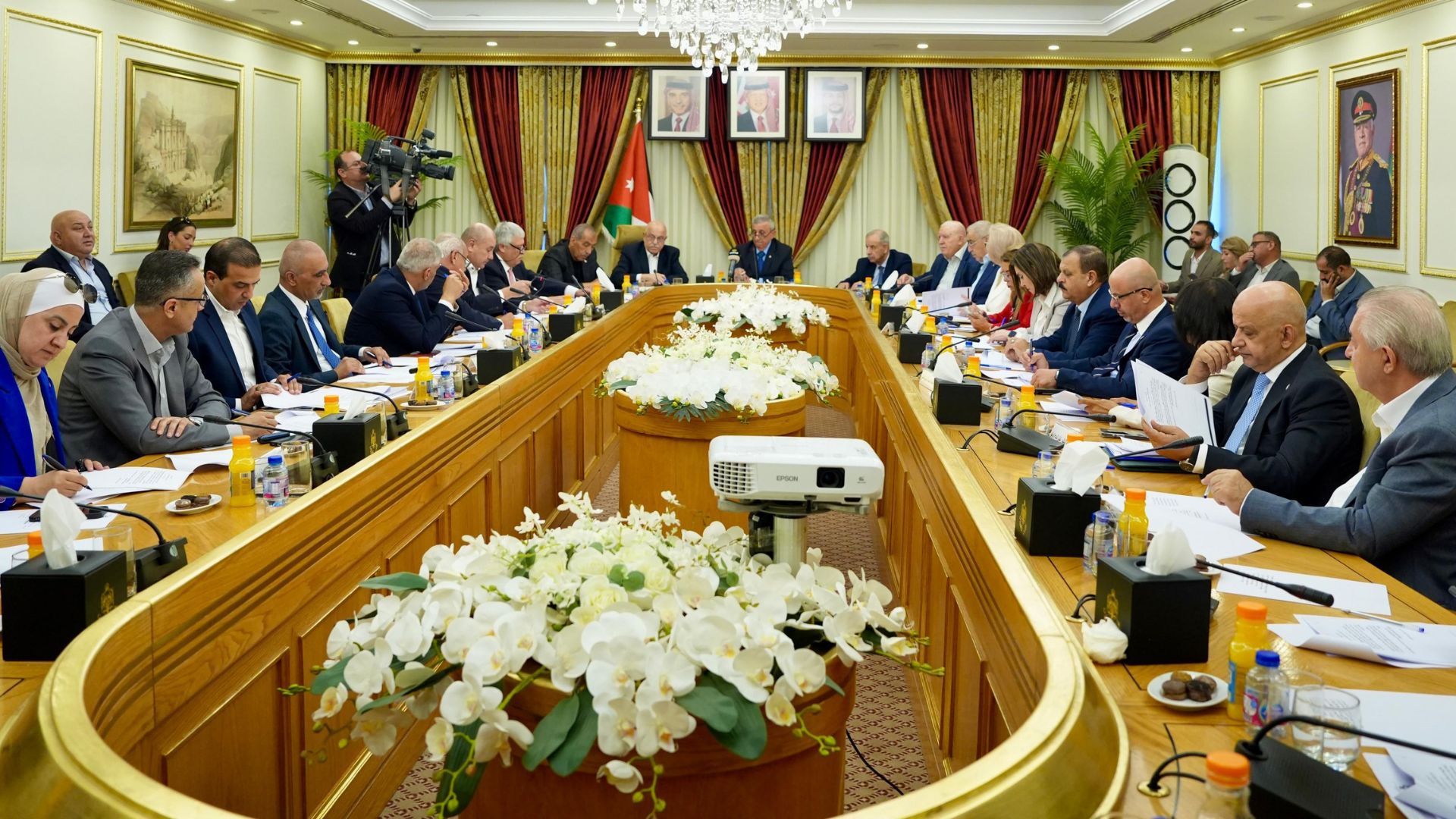
Amman, August 13 (Petra) – The Senate’s Labor and Social Development
Committee approved the 2026 Professional Work Regulation Law on
Thursday with several key amendments.
In a session held for this purpose, Committee Chairman Issa Murad
noted that the legislation establishes a “comprehensive” framework
for the Kingdom’s technical and vocational sectors.
As for its rationale, the bill creates a national licensing system, a
unified digital database, and a testing bank designed to raise
service standards, protect consumers, curb unqualified practices, and
support low-income groups through a dedicated fund.
Minister of Transport and Labor Nidal Katamine and Minister of
Political and Parliamentary Affairs Abdulmonem Odat said the law aims
to foster a “regulated” work environment, reduce random labor
practices, and align training outcomes with market demands while
boosting partnerships with the private sector.
On their scope, the committee’s amendments focus on practical
enforcement and fairness. Article 8 now permits workers with
pre-existing experience prior to the law’s enactment to obtain
licenses without testing, and allows certification for individuals
with recognized foreign experience subject to board approval.
Article 16 now establishes fines ranging from JD50 to JD200 for
unlicensed workers, and JD200 to JD500 for businesses or training
providers that employ them or violate the law’s regulations.
//Petra// HA