Saudi Arabia’s Voluntary Carbon Market Fuels the Shift to a Low-Carbon

Under UAE President’s directives, UAE launches urgent relief response for Ghana flood victims

Combating Desertification and Drought: Qatar a Model in Preserving Natural Resources, Establishing Environmental Stability
UAE allocates US$30 million for emergency humanitarian response in El Obeid, calls for civilian protection, safe humanitarian aid access in Sudan

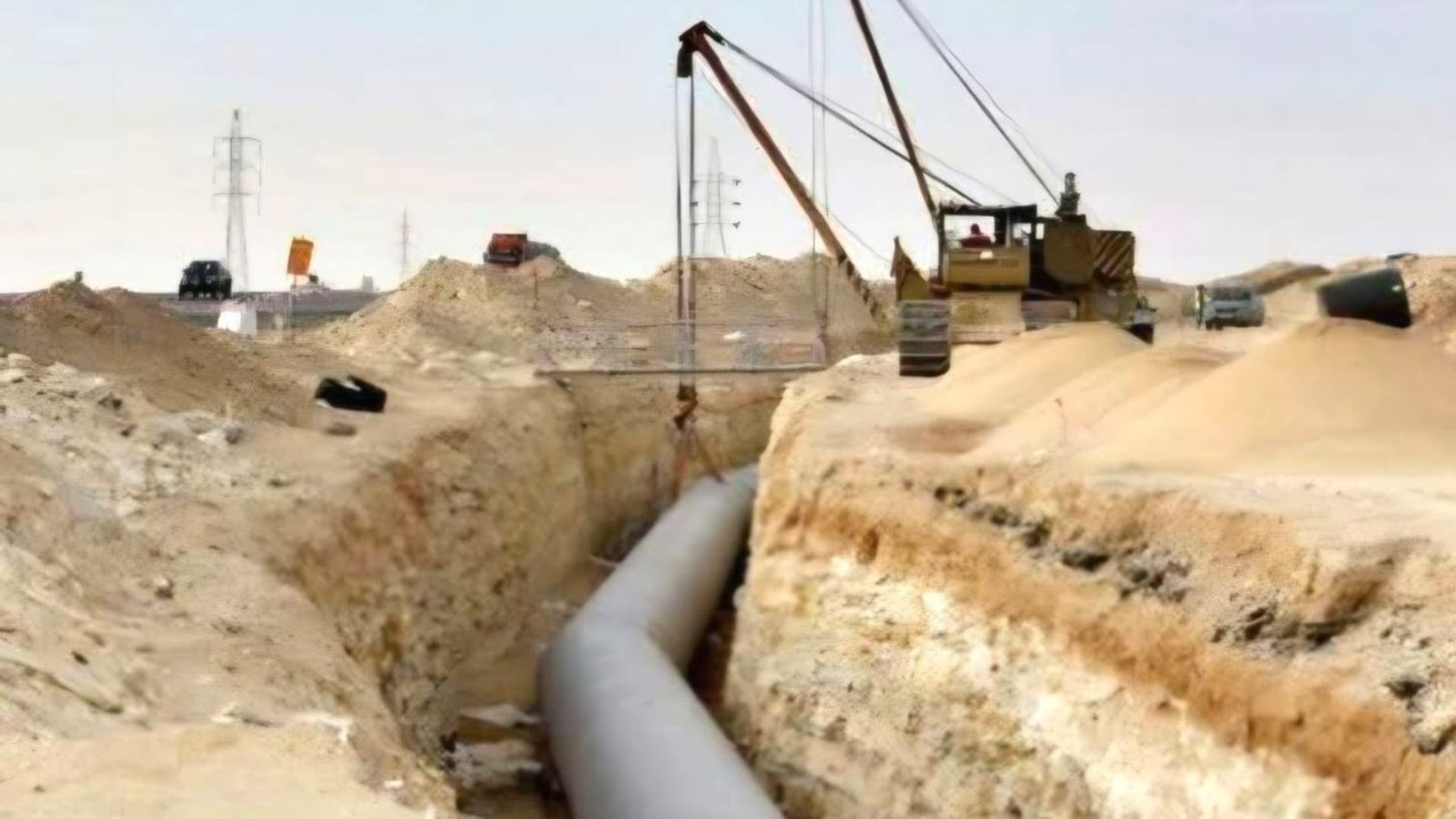
Amman, August 15 (Petra) – Disi Water Conveyance Project, which was
launched 14 years ago at a cost of approximately $1 billion to
alleviate the water crisis and scarcity in Jordan, has faced a
“major” challenge in the form of repeated attacks on the pipeline
infrastructure.
According to figures from the Ministry of Water and Irrigation, a
total of approximately 14,000 attacks were recorded since 2014 until
mid-August of this year.
Jordan News Agency (Petra) tracked the attacks on the Disi water
pipeline and recorded the statistics in the Ministry of Water’s
figures, which showed a total of 13,796 attacks. The year 2025 saw
the highest number of attacks, with 1,802.
Based on the ministry figures, every 1% of water loss wastes about 5
million cubic meters of water, while encroachments on water pipelines
and sources constitute more than 70% of total water loss.
The Ministry of Water’s efforts, implemented daily as part of its
strategic plans to reduce water loss, enjoy “paramount significance”.
“A 1% loss reduction translates to saving approximately 5 million
cubic meters of water, which is a sufficient amount to cover the
annual needs of about 81,000 individuals, assuming a per capita
drinking water allocation of approximately 62 cubic meters per year,”
he pointed out.
In a statement to “Petra,” Omar Salameh, the ministry’s Assistant
Secretary-General and Spokesperson stated hardly a day lapses by
without detecting encroachments on water sources or distribution
networks across the Kingdom, particularly on the Disi water pipeline.
He added that approximately 70% of water loss is attributed to theft
and encroachments on water mains, noting that these practices
deprive citizens of their right to access water.
So far, he said the ministry has uncovered “numerous” cases of water
theft on the public network, as the stolen water was resold to
individuals, companies, or factories for illicit profit.
He stated that every cubic meter of stolen water deprives a household
of their share or delays their water supply.
This theft ultimately makes the affected citizen the party who pays
the price for these violations by being deprived of their right to
water, he pointed out.
Salameh indicated that the ministry’s efforts to combat these
violations have led to collection of fines exceeding JD8 million from
violators and perpetrators.
Meanwhile, he affirmed the ministry pays “significant” sums to carry
out maintenance and repair works of damage caused by these
violations, adding that these amounts could have been better
allocated to developing water sources and improving drinking water
services.
He noted that the ministry is working to secure the Disi water
pipeline by using the latest methods and technologies.
With continued violations, he said these attacks require ongoing
efforts to cut their severity and number and strengthen protection of
Jordan’s water sources and networks.
//Petra// AG