Saudi Arabia’s Voluntary Carbon Market Fuels the Shift to a Low-Carbon

Under UAE President’s directives, UAE launches urgent relief response for Ghana flood victims

Combating Desertification and Drought: Qatar a Model in Preserving Natural Resources, Establishing Environmental Stability
UAE allocates US$30 million for emergency humanitarian response in El Obeid, calls for civilian protection, safe humanitarian aid access in Sudan

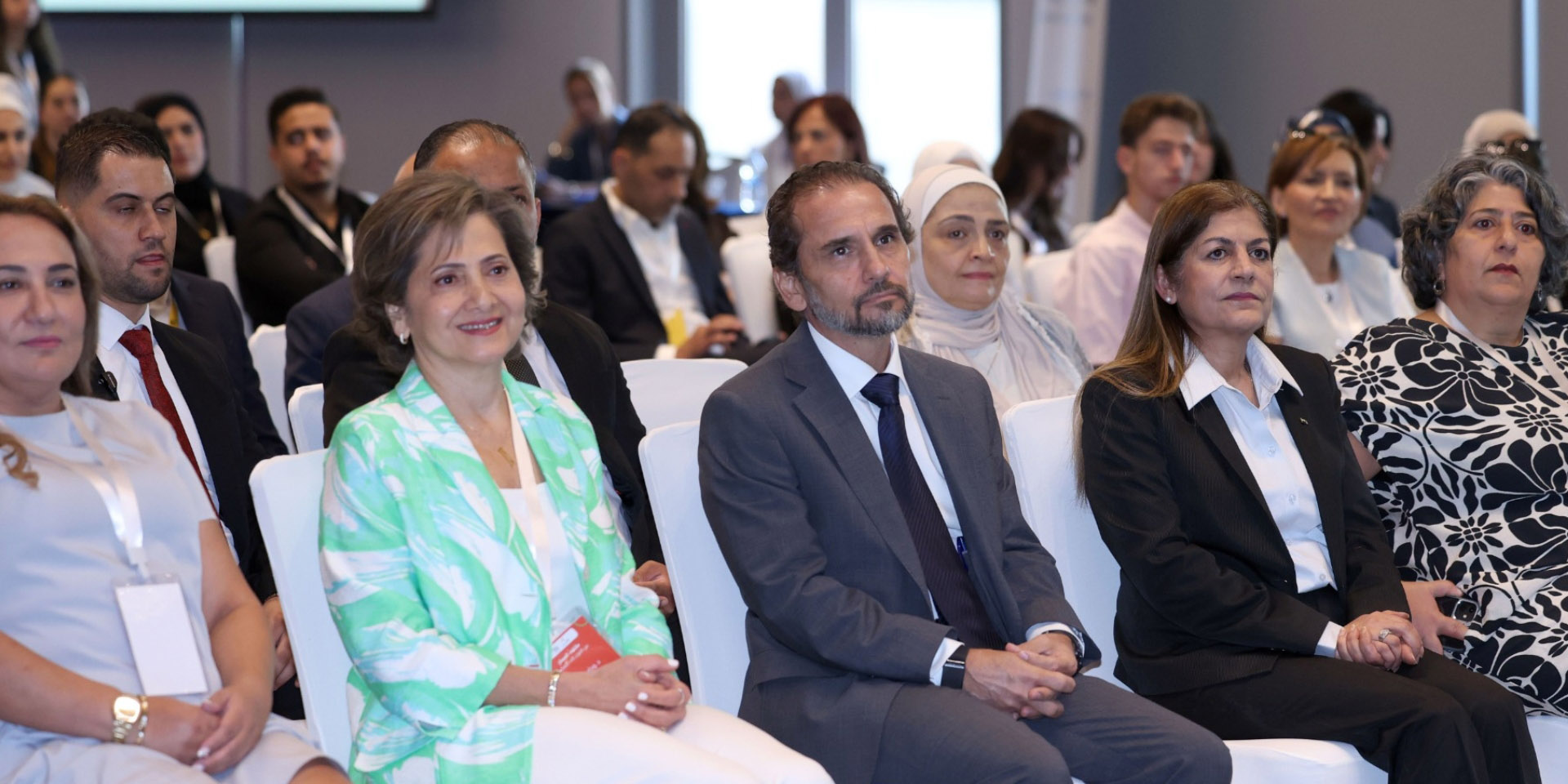
Amman, Aug. 24 (Petra) — In the presence of His Highness Prince
Mired bin Raad bin Zeid, Chief Chamberlain, President of the Higher
Council for the Rights of Persons with Disabilities, and Chairperson
of the Royal Academy for Inclusive Education for Persons with
Disabilities, Al-Masar Child Development Services on Monday launched
its first training forum, titled “Al-Masar Forum: From Diversity to
Empowerment.”
The forum brought together Arab experts and specialists in education,
therapy, counseling, and child development to exchange expertise and
promote professional practices supporting inclusive education.
Al-Masar Director General Widad Akrouk stated at the opening that
diversity can strengthen learning environments, stressing that
inclusive education involves equal access to learning opportunities,
participation, and belonging rather than merely placing students in
classrooms.
She highlighted the importance of translating national laws and
policies on inclusive education into practical measures in schools
and classrooms. Akrouk explained that successful inclusion should be
assessed by students’ sense of safety and acceptance, their active
participation in learning alongside peers, and their ability to
express themselves in ways suited to their abilities.
She noted that inclusive practices begin by identifying students’
abilities and strengths before focusing on the challenges they face,
listening to their perspectives, and understanding their different
forms of expression. Schools, she added, should adapt their
environments to accommodate student diversity rather than expecting
students to adjust to settings that do not meet their needs.
Akrouk indicated that the forum’s sessions focus on practical
strategies applicable in schools and classrooms, while also
incorporating families’ experiences and the challenges they encounter
into efforts to develop more inclusive and equitable educational
practices.
Al-Masar board member Reem Zumot noted that the center, established
in 2006, was founded on providing a safe environment that takes
account of each child’s individual needs and promotes partnership
with families.
She explained that Al-Masar initially provided specialized
educational and therapeutic services before expanding its programs to
include learning support, applied behavior analysis, and in-school
assistance. The center later developed the Al-Masar Program and
launched the Masari platform to manage educational and therapeutic
services and individualized student plans.
Zumot stated that the launch of the Al-Masar Forum, marking the
center’s 20th anniversary, is intended to provide a platform for
exchanging expertise, improving professional practices, and
strengthening the capacity of schools and specialists to respond to
diverse student needs.
The forum also saw the launch of Masari, an integrated electronic
platform for managing educational and therapeutic services for
students requiring individualized plans.
The platform provides centralized management of student records,
including personal data, assessments, individualized plans, and
reports, as well as tools for tracking progress and preparing and
monitoring individualized education plans. It also includes a secure
parent portal providing access to individual plans, progress reports,
and performance documentation.
Masari incorporates the Al-Masar Program, developed over 20 years of
work in student learning and development. The program includes a bank
of more than 1,200 measurable objectives across 22 developmental,
academic, functional, and therapeutic areas, allowing goals to be
tailored to individual student abilities and needs.
The forum opened with a panel titled “Families’ Voices: From Policies
to Practices,” which examined families’ experiences in supporting
their children, including challenges related to acceptance, access to
education, skills development, and securing inclusive educational
opportunities.
Participating families identified family support, access to
specialized institutions, qualified educational staff, and assistance
from Al-Masar as factors that contributed to their children’s
progress. They also noted that some schools had provided various
forms of support despite continuing challenges, stressing that access
to inclusive education can be difficult but achievable.
The families also highlighted accommodations provided by the Ministry
of Education and Human Resource Development, including adapting
examinations to students’ needs. They stressed that supporting
students with disabilities requires sustained cooperation among
families, schools, and relevant institutions, along with greater
awareness and professional training for educational staff.
The forum’s sessions were organized around three main themes. The
first, “Cooperation and Partnership,” addressed effective dialogue
with families, strengthening trust and partnership, involving
students in developing an inclusive school culture, and improving
coordination between classroom teachers and shadow teachers.
The second theme, “Planning and Implementation in Inclusive
Environments,” focused on developing individualized education plans
based on assessment results, setting educational priorities, and
designing appropriate interventions. It also covered positive
behavior support, alternatives to punitive approaches in addressing
challenging classroom behavior, and Universal Design for Learning
(UDL) strategies to reduce barriers to learning.
The third theme, “Understanding and Supporting the Student,” examined
writing skills among kindergarten and basic education students,
factors affecting written performance, sensory-motor challenges, and
visual perception. Sessions also addressed language and communication
development, the impact of language delays on academic performance
and classroom behavior, and strategies for sensory regulation,
attention, and behavior.
The sessions aimed to provide practical strategies for educational
settings and strengthen educators’ ability to understand students’
developmental and educational needs and design interventions tailored
to individual requirements.
The forum is intended to support the development of inclusive
education and child services in Jordan and the region through
practical approaches applicable in educational settings.
//Petra// AO