Jordan’s Q2 2026 GDP Expands 3.0%, Outperforming Regional Headwinds, International Forecasts
ENV-KUWAIT-SUSTAINABLITYKuwait strengthens environmental sustainability through strategic initiativesBy Zahra Al-Kadhmi

HLT-KUWAIT-SURGERYKuwait advances health sector with robotic, remote surgeryBy Mohammad Al-Moseb

Saudi Arabia’s Voluntary Carbon Market Fuels the Shift to a Low-Carbon

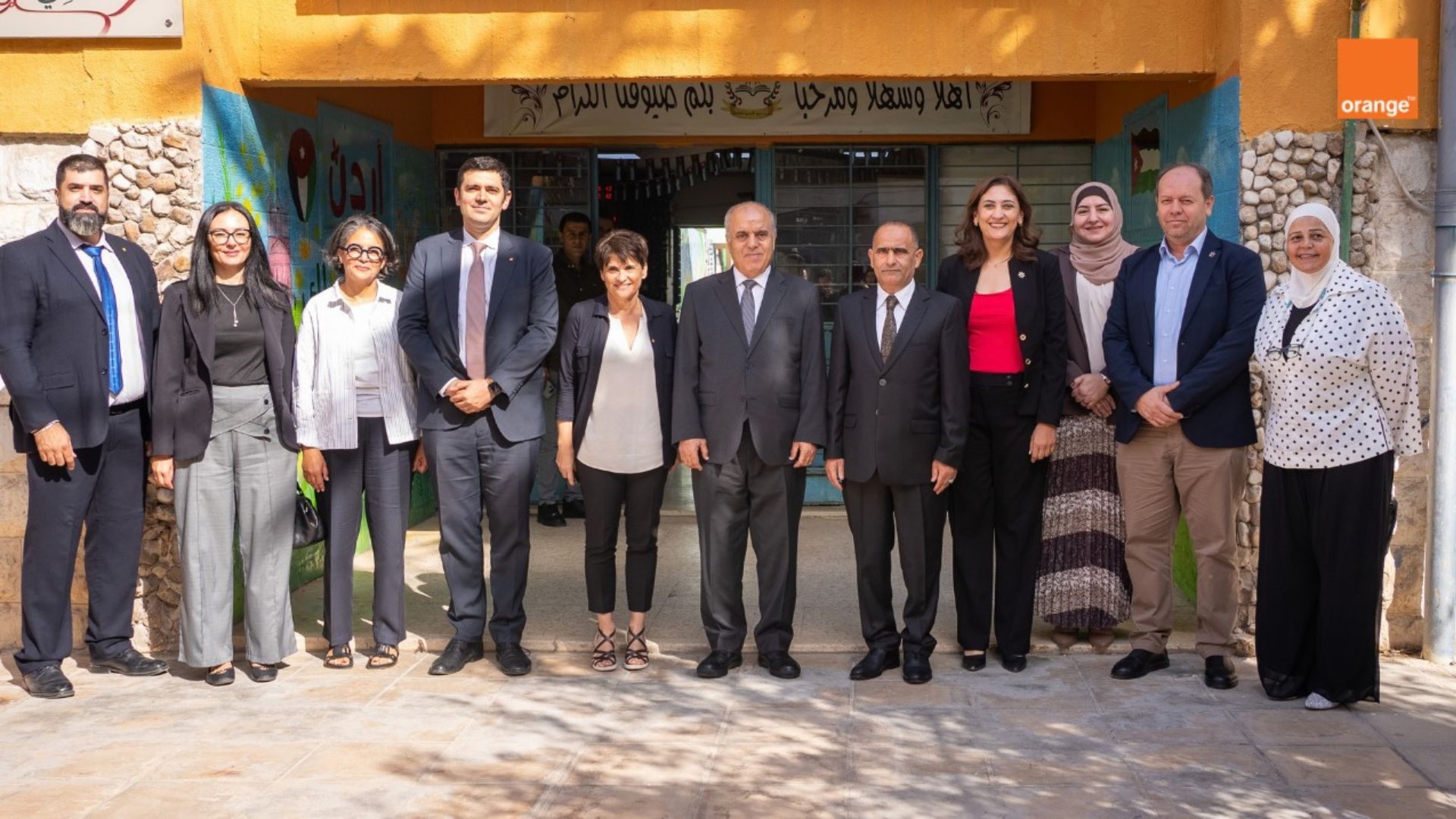
Zarqa, Sept. 30 (Petra) — Minister of Education and Human Resources
Development Azmi Mahafzah and Orange Jordan CEO Philippe Mansour
visited Sumaya Mixed Basic School in Zarqa governorate on Wednesday
to inspect the implementation and impact of the “Digital Schools”
program.
The initiative is executed through a partnership between Orange
Jordan and the Madrasati (My School) Initiative, in collaboration
with the Ministry of Education’s National Center for Curriculum
Development and the Queen Rania Center for Education and Information
Technology.
Mahafzah stated that the program highlights the integration of
technology into classrooms and reflects a successful public-private
partnership model. He noted that the initiative provides practical
opportunities for students to acquire digital skills, pointing to the
positive impact of the program’s “Wiki Challenge” in encouraging
students to create Arabic digital content.
Mansour affirmed Orange Jordan’s commitment to advancing digital
education and technology adoption in schools, emphasizing the
company’s collaboration with Madrasati to address local educational
needs.
Madrasati Initiative Director Tala Sweis noted that tackling digital
illiteracy has become as critical as foundational reading and
mathematics skills, adding that the program aligns with the
ministry’s digital transformation goals.
Launched in September 2025, the initial phase of the program covers
10 public schools across governorates including Zarqa, Irbid, and
Tafilah. The participating schools have been equipped with 15 digital
educational kits containing 25 tablets each, along with 30 additional
digital devices, including computers, projectors, routers, and
Raspberry Pi kits.
The program serves over 3,100 students from first to sixth grade and
136 teachers. It incorporates digital learning content and the
“Kotobi” platform, which offers more than 1,200 books to support
Arabic and English literacy, critical thinking, and digital skills.
//Petra// AF