
Jordan’s Q2 2026 GDP Expands 3.0%, Outperforming Regional Headwinds, International Forecasts
ENV-KUWAIT-SUSTAINABLITYKuwait strengthens environmental sustainability through strategic initiativesBy Zahra Al-Kadhmi

HLT-KUWAIT-SURGERYKuwait advances health sector with robotic, remote surgeryBy Mohammad Al-Moseb

Saudi Arabia’s Voluntary Carbon Market Fuels the Shift to a Low-Carbon

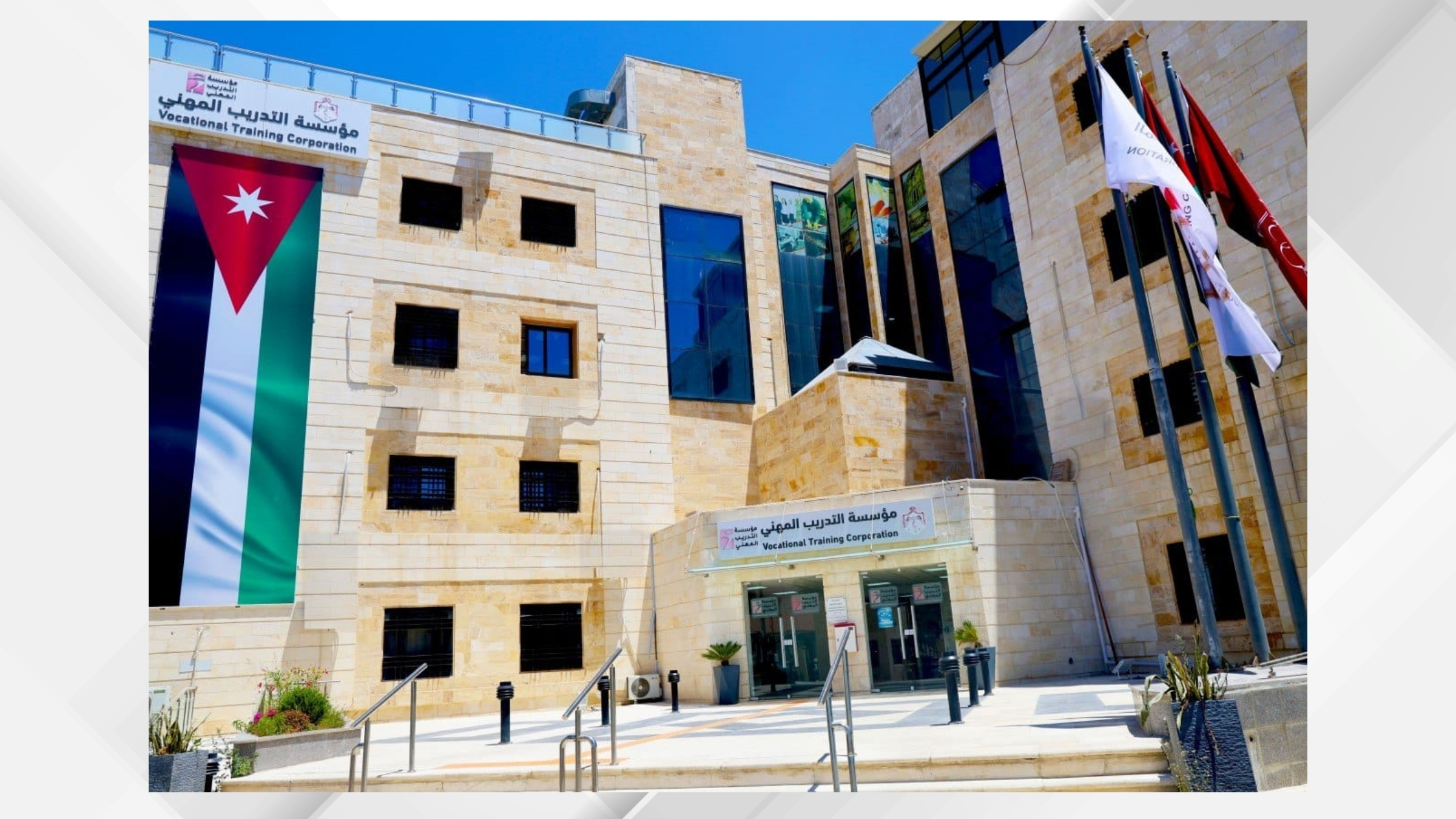
Amman, Oct. 4 (Petra) — The Vocational Training Corporation (VTC) on
Sunday launched its 2026–2027 training year, with new trainees
beginning their programs at 34 institutes and centers of excellence
across the Kingdom, amid strong demand for vocational education and
training.
A total of 5,134 male and female trainees enrolled in the second
training cycle, out of 13,255 applications submitted by those seeking
to join the Corporation’s training programs.
The figures reflect growing interest in vocational training among
young Jordanians and an increasing focus on acquiring practical
skills and professional specializations aligned with labor market
needs. The Corporation offers a diverse range of programs distributed
across the Kingdom’s various regions.
Women accounted for 41 percent of total enrollment nationwide,
highlighting their growing participation in vocational training and
increasing interest in skills and specializations that can open up
diverse career opportunities.
Female participation varied significantly by region, reaching 73
percent in the Southern Region, 46 percent in the Northern Region,
and 35 percent in the Central Region. The differences reflect varying
patterns of interest in vocational programs according to the needs
and preferences of trainees across the Kingdom.
Amman recorded the highest number of registered trainees among the
governorates, with 1,223, followed by Irbid with 879 and Balqa with
740. The remaining trainees were distributed among the other
governorates.
Several institutes also recorded high enrollment numbers. Al-Mashare’
Training Institute registered 489 trainees, while Ain Al-Basha
Vocational Training Institute and the Jordanian-Korean Institute each
recorded 480 trainees, according to second-cycle registration data.
The registration figures also showed a wide range of interests among
trainees. Women’s hairdressing was the most popular program, with 558
female trainees, followed by men’s hairdressing with 404 trainees and
data entry with 375.
Other specialized programs also attracted considerable interest,
including social worker/childcare provider, electromechanics for
hybrid vehicles, and barista training. The demand for these programs
reflects the diverse career interests of trainees and their focus on
fields that combine practical skills with emerging labor market
opportunities.
The Corporation said the diversity of training choices underscores
the importance of continuously expanding and updating vocational
programs, giving applicants a broader range of career options that
match their interests, abilities, and labor market requirements.
By region, the Central Region accounted for 2,507 trainees, followed
by the Northern Region with 1,806 and the Southern Region with 821.
The educational backgrounds of those enrolled also point to a
changing perception of vocational training. Rather than being limited
to a particular educational group, vocational training is
increasingly viewed as an avenue for skills development and practical
specialization for people with different academic qualifications.
The registration data showed that 1,662 trainees hold high school
certificates, 706 hold bachelor’s degrees, 397 hold diplomas, and 15
hold master’s degrees.
The figures highlight the expanding role of vocational training as a
pathway for initial qualification, reskilling, retraining, and
professional development, rather than simply an alternative to
academic education. The enrollment of bachelor’s and master’s degree
holders indicates that some higher-education graduates are seeking to
complement their academic backgrounds with practical and professional
skills relevant to labor market needs.
The launch of the new training year comes as the Vocational Training
Corporation works to further develop its training system and
strengthen its alignment with labor market requirements. Its efforts
include updating existing programs, introducing new specializations
in key sectors, and placing greater emphasis on practical and applied
training.
The Corporation provides trainees with a learning environment that
combines theoretical knowledge with hands-on training, as well as
field-training opportunities at accredited workplaces. This enables
trainees to gain practical experience and develop a better
understanding of professional requirements and real-world working
environments.
Partnerships with the private sector and the development of training
programs based on employers’ needs are also central to the
Corporation’s efforts to improve the alignment between training
outcomes and labor market requirements.
//Petra//WH