Jordan’s Q2 2026 GDP Expands 3.0%, Outperforming Regional Headwinds, International Forecasts
ENV-KUWAIT-SUSTAINABLITYKuwait strengthens environmental sustainability through strategic initiativesBy Zahra Al-Kadhmi

HLT-KUWAIT-SURGERYKuwait advances health sector with robotic, remote surgeryBy Mohammad Al-Moseb

Saudi Arabia’s Voluntary Carbon Market Fuels the Shift to a Low-Carbon

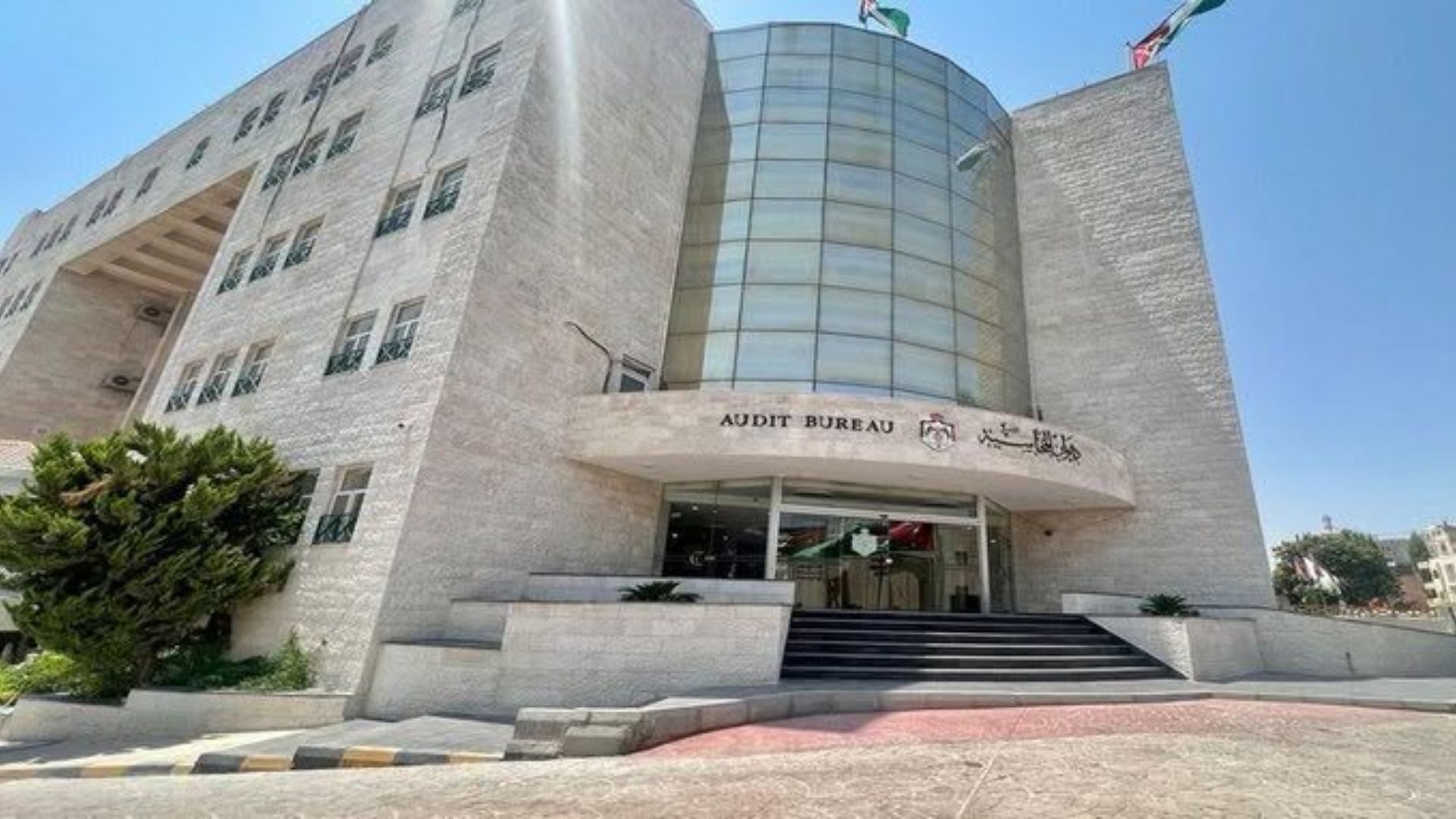
– Response rate to audit findings rises to 71%, compared with 59% in
2024.
– Coordinated efforts by Audit Bureau, executive and legislative
branches strengthen response to audit findings and protection of
public funds.
Amman, Oct. 21 (Petra) — The overall response rate to Audit Bureau
findings and recommendations rose to a record 71% in 2025, up from
59% in 2024 and more than double the 35% recorded in 2021, Audit
Bureau President Radi Hamadin said Wednesday.
Hamadin said the rate increased by 36 percentage points between 2021
and 2025, reaching its highest level in Jordan’s history, according
to the approved data for the indicator.
He explained that the response rate stood at 35% in 2021 before
declining to 21% in 2022. It subsequently rose to 48% in 2023, 59% in
2024 and 71% in 2025.
The indicator measures how effectively entities subject to the
bureau’s oversight respond to audit findings and recommendations and
the actions they take to address them, allowing the bureau to monitor
progress in resolving identified issues.
Hamadin attributed the improvement to the bureau’s efforts to develop
its oversight tools and working methods, alongside greater
responsiveness from audited institutions in addressing findings and
implementing corrective measures.
He said the bureau’s technical teams developed the Audit Findings
Follow-up System (MRT), which enables electronic tracking of audit
observations, recommendations, and related actions.
The system helps identify cases requiring further action, monitor
progress in implementing corrective measures, and verify that
identified issues have been adequately addressed in accordance with
approved audit requirements.
Alongside the system’s development, the bureau introduced procedures
for discussing audit findings with the entities concerned before
issuing final reports.
These discussions are intended to establish documented action plans
specifying corrective measures and implementation requirements,
clarifying responsibilities and providing a structured framework for
monitoring progress and verifying results.
At the government level, Hamadin said Prime Minister Jafar Hassan’s
directives and follow-up on audit findings had encouraged ministries
and public institutions to address outstanding issues, accelerate
corrective measures, and ensure compliance with oversight
requirements.
He also highlighted the role of a team tasked with reviewing audit
inquiries. The team conducts periodic follow-ups with the relevant
authorities to address violations, prevent their accumulation,
monitor the recovery of funds owed to the Treasury and refer cases
requiring further action to the competent authorities.
Hamadin said these efforts complement the oversight role of
Parliament, through the Senate and Lower House and their relevant
committees. He noted that parliamentary committees review Audit
Bureau reports, follow up on identified observations and violations,
and examine the responses and corrective actions taken by the
institutions concerned.
As part of efforts to strengthen internal oversight and improve
institutional performance, Hamadin said the bureau had evaluated 166
internal control and audit units and submitted its findings to the
Cabinet to identify areas requiring development. These included
improving procedures, training personnel, and expanding the use of
digital systems to help institutions detect and address deficiencies
at an early stage, strengthening the preventive role of internal
oversight.
Hamadin stressed that the bureau continues to exercise its
independent oversight mandate by following up on unresolved findings
and verifying the adequacy of corrective measures and their
compliance with audit requirements.
He emphasized the importance of addressing the underlying causes of
violations and preventing their recurrence to strengthen
accountability, improve financial and administrative performance, and
safeguard public funds.
The Audit Bureau’s annual report for the 2025 fiscal year is expected
to present the results of its activities, achievements, and audit
findings, including relevant response rates and performance
indicators.
The report is scheduled to be submitted to the Senate and the Lower
House at the beginning of Parliament’s next ordinary session this
November.
//Petra// AJ