Jordan’s Q2 2026 GDP Expands 3.0%, Outperforming Regional Headwinds, International Forecasts
ENV-KUWAIT-SUSTAINABLITYKuwait strengthens environmental sustainability through strategic initiativesBy Zahra Al-Kadhmi

HLT-KUWAIT-SURGERYKuwait advances health sector with robotic, remote surgeryBy Mohammad Al-Moseb

Saudi Arabia’s Voluntary Carbon Market Fuels the Shift to a Low-Carbon

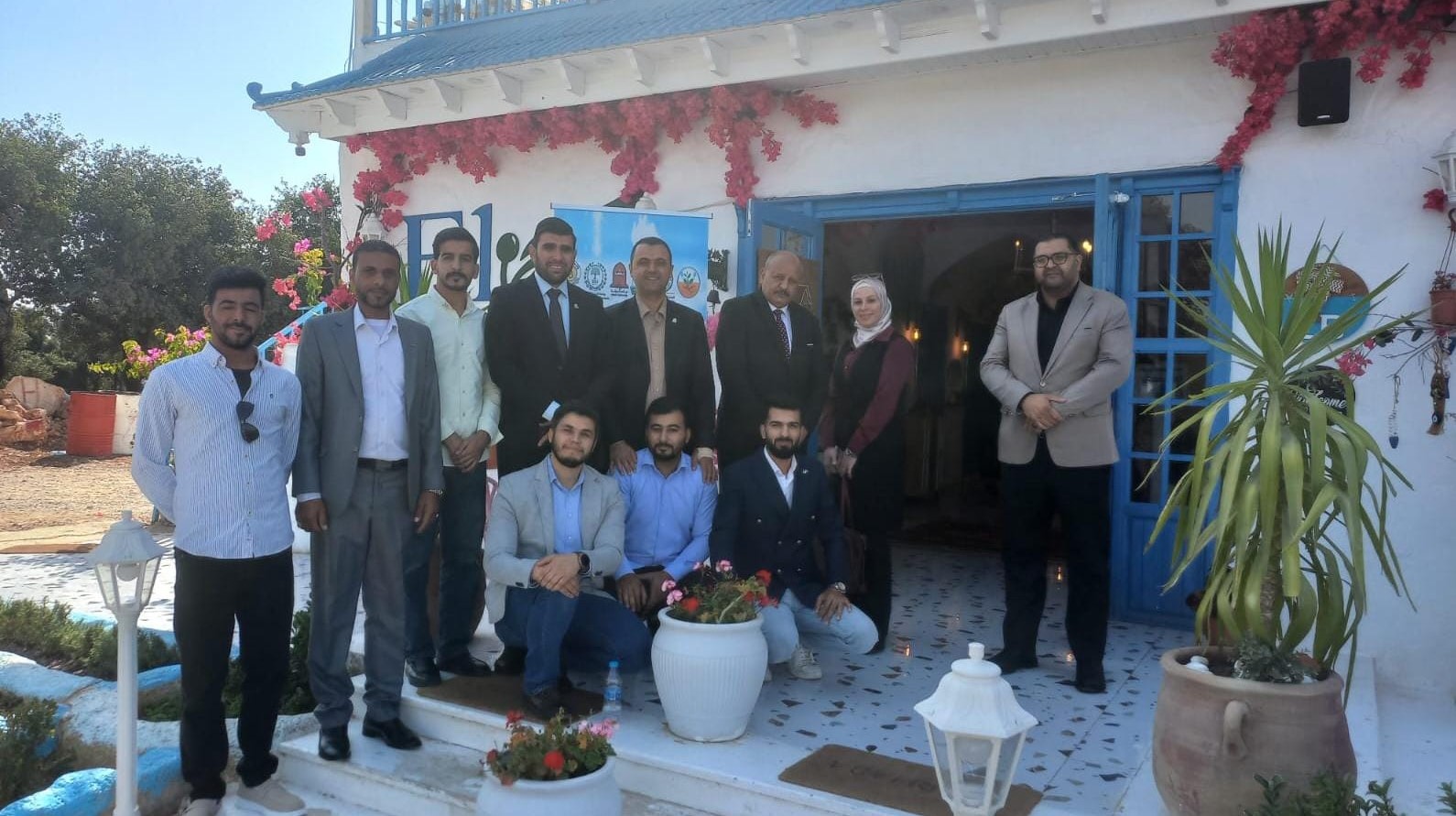
Irbid, Oct. 21 (Petra) — A scientific workshop conducted in the
Bargash area of Al-Koura District recommended Wednesday strengthening
cross-border cooperation among Yarmouk River Basin countries,
building joint monitoring and early warning systems, and deploying
smart technology in water resource management to mitigate drought,
offset climate change, and ensure regional water security.
Organized jointly by Mutah University, Yarmouk University,
Al-Zaytoonah University of Jordan, Damascus University, and the
Jordanian Geographic Society, the workshop addressed primary water
challenges affecting the Yarmouk Basin due to climate shifts and
their impact on agriculture and vegetation cover.
The workshop reviewed findings from a water balance study of the
basin spanning 1988 to 2020. The study found an average annual
precipitation of 264 mm, actual evapotranspiration of 219 mm, and
renewable blue water availability of 45 mm, highlighting severe
constraints on available water resources.
Participants discussed future climate scenarios projecting a
potential decline in the Yarmouk River’s annual transboundary flow
from 127 million cubic meters to between 32 and 62 million cubic
meters during 2016–2050, along with a potential drop in basin runoff
of up to 60 percent under natural conditions.
Presented research projected temperature increases between 0.9 and
3.7 degrees Celsius by 2100, alongside precipitation fluctuations
ranging from a 6 percent increase to a 32 percent decline.
Attendees examined the projected consequences of these climatic
trends, including reduced groundwater recharge, fluctuating inflows
to the Al-Wehda Dam, increased crop water stress, declining
agricultural yield, vegetation degradation, elevated desertification
risks, and heightened pressure on shared water resources.
The event saw participation from the Irbid Governorate Environment
Protection Directorate, represented by Project Governance Committee
Member Mohammad Al-Dreizi, alongside representatives from
participating academic and scientific institutions.
//Petra// AF