Saudi Arabia’s Voluntary Carbon Market Fuels the Shift to a Low-Carbon

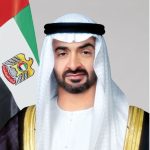
Under UAE President’s directives, UAE launches urgent relief response for Ghana flood victims
Combating Desertification and Drought: Qatar a Model in Preserving Natural Resources, Establishing Environmental Stability

UAE allocates US$30 million for emergency humanitarian response in El Obeid, calls for civilian protection, safe humanitarian aid access in Sudan


Sudan’s Permanent Representative to the United Nations, Al-Harith Idris, said that any measure undermining the Sudanese Armed Forces’ ability to defend civilians targeted by repeated drone attacks by the Rapid Support Forces (RSF), such as extending the arms embargo to cover all of Sudan, would recreate the conditions and strategic vacuum that produced El Fasher massacre. Speaking during the UN Security Council session on Monday evening, Idris said those proposing such a measure could not be considered neutral, but rather were taking a position against the Sudanese people and civilians. He stressed that the use of drones by two sides does not make them equal, saying that what matters is the motive behind their use. He said there can be no equivalence between those using drones to kill civilians and destroy infrastructure and those using them to defend civilians against such attacks. Idris noted that the Darfur Panel of Experts had completed its final report, but the adoption process was facing obstruction and pressure linked to the panel’s findings regarding the United Arab Emirates’ role in fueling the continuation of the conflict in Sudan. He said delaying consideration of a professional report simply because its findings are unfavourable to one member state undermines the purpose for which independent expert panels were established. Sudan’s Permanent Representative to the United Nations stressed that Sudan does not oppose controlling arms flows; rather, it is the party most affected by them and the strongest advocate for halting them. However, he stressed that an embargo covering the entire territory of Sudan, without distinguishing between the regular Armed Forces exercising their legitimate right to defend the country and protect civilians, and an armed entity acquiring its arsenal through documented violations of the existing arms embargo in Darfur, would punish those who comply and reward those involved in killing innocent civilians. He called for deepening the arms embargo vertically rather than expanding it horizontally, by tracing the sources of weapons, inspecting routes and border crossings, imposing sanctions on intermediaries, transporters, and financiers, and establishing an effective system for tracking smuggled weapons. Idris also called for restructuring the sanctions regime to target suppliers, intermediaries, and transporters, requiring them to provide end-user documentation, and inspecting the air and land crossing points identified in the Panel of Experts’ reports. He further proposed expanding the panel’s mandate to track the reverse flow of weapons beyond Sudan’s borders toward the Sahel, Libya, and the Horn of Africa, and including air freight companies and airport operators involved in transporting military equipment and fighters on sanctions lists, rather than targeting field commanders alone.BH/BH