Mother of the Nation Endowment for Orphans’ initiative raises AED3.3bn during Ramadan; launches AED1 bn ‘Mother of the Nation City’ project

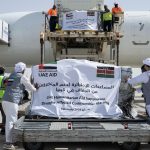
UAE sends 30 tonnes of food aid to support drought-affected communities in Kenya
UAE provides urgent relief to support flood-affected communities in Mozambique
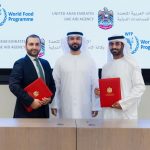
UAE signs cooperation agreement with UN World Food Programme to support humanitarian efforts in sudan
Aqaba, Dec. 2 (Petra) — The Aqaba Special Economic Zone Authority (ASEZA), in cooperation with the Regional Organization for the Conservation of the Environment of the Red Sea and Gulf of Aden (PERSGA), held a workshop to discuss the draft National Action Plan to combat illegal, unreported, and unregulated (IUU) fishing in Jordan.
The two-day workshop, hosted at the Aqaba Marine Reserve, brought together 30 representatives from relevant government bodies, regulatory agencies, the private sector, fishers’ associations, and civil-society organizations.
Aqaba Marine Reserve Director Nasser Zawaideh said the workshop comes as part of ongoing cooperation between ASEZA and PERSGA, under the umbrella of the Sustainable Fishery Development in the Red Sea and Gulf of Aden (SFISH) Program.
He emphasized ASEZA’s commitment to a participatory approach in drafting the National Action Plan by engaging all relevant stakeholders in its preparation, stressing the importance of feedback that helps refine the plan and make it implementable.
PERSGA representative Bashar Bataineh praised the fruitful cooperation with ASEZA and the Aqaba Marine Reserve, noting their sustained efforts to protect marine and coastal resources.
He said the workshop aims to review Jordan’s National Action Plan, one of seven national plans derived from the regional framework to counter IUU fishing, underscoring the importance and priority of the plan’s measures at the national level and the need to enhance cooperation among member states to implement these plans regionally.
Workshop sessions covered the draft plan and a review of Jordan’s fisheries regulations, along with discussions on national needs and priorities, particularly in training, capacity-building, development of executive regulations, and proposed implementation procedures. Participants also examined the estimated budget required for the plan’s execution.
//Petra// AO
02/12/2025 14:31:13