Jordan’s Q2 2026 GDP Expands 3.0%, Outperforming Regional Headwinds, International Forecasts
ENV-KUWAIT-SUSTAINABLITYKuwait strengthens environmental sustainability through strategic initiativesBy Zahra Al-Kadhmi

HLT-KUWAIT-SURGERYKuwait advances health sector with robotic, remote surgeryBy Mohammad Al-Moseb

Saudi Arabia’s Voluntary Carbon Market Fuels the Shift to a Low-Carbon

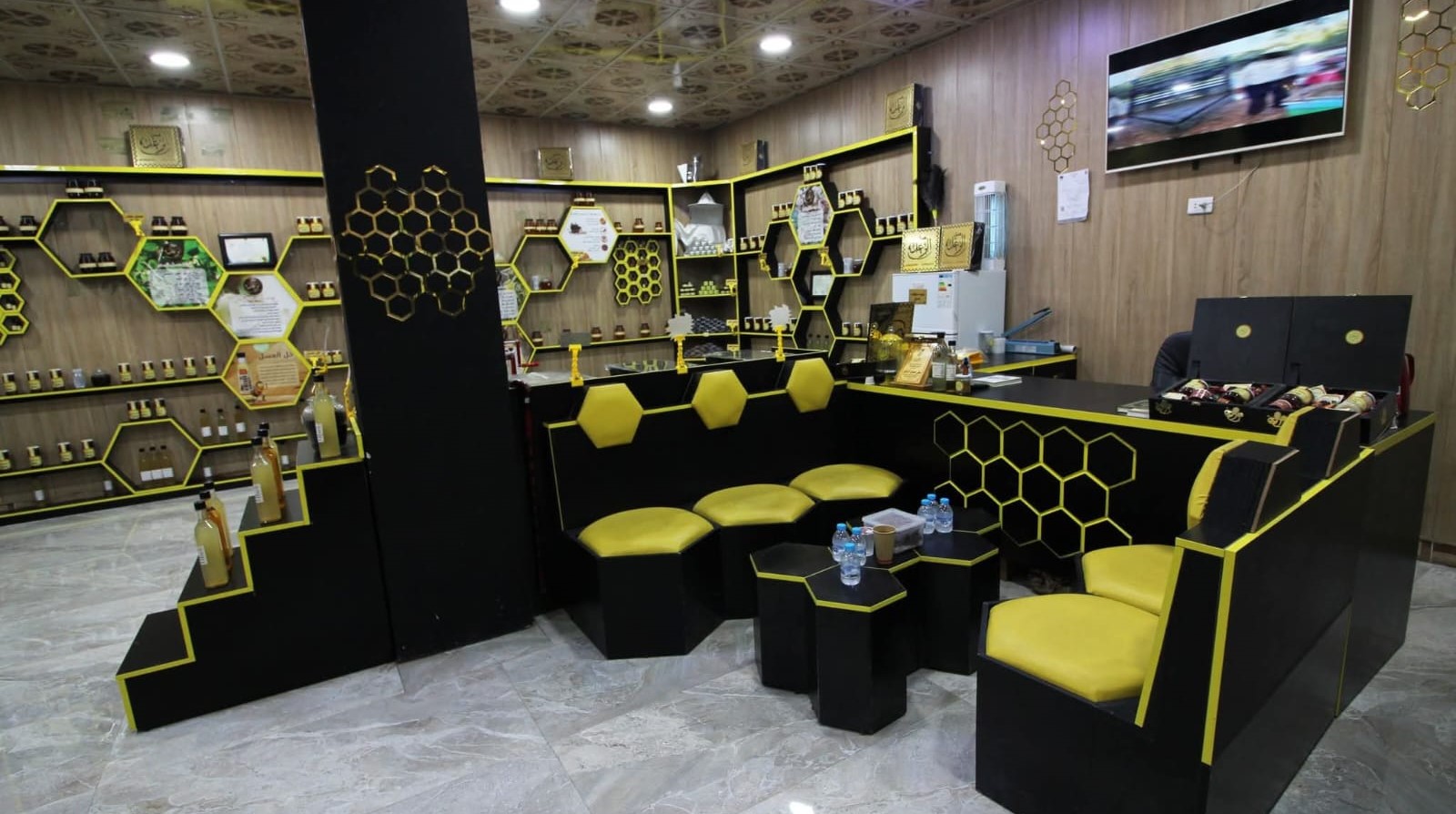
Ajloun, May 31 (Petra) — Beekeeping and honey production are
solidifying their position as a promising agricultural sector in
Jordan’s northwest governorate of Ajloun, generating jobs and
supplementary income for rural families and local farmers.
The industry is capitalizing on the region’s rich natural landscapes
and diverse flora, local officials and sector workers said.
Seytan Al-Sarhan, director of the Ajloun Agriculture Directorate,
said the governorate offers an ideal environment for apiculture due
to its vast woodlands, forest covers, fruit orchards, and wild
plants. These provide a rich source of nectar, which bees rely on to
produce honey.
The directorate supports the sector by providing extension services
and training programs for beekeepers while promoting agricultural
practices that preserve plant cover and ensure high-quality,
sustainable production, Al-Sarhan added.
Muneeb Al-Smadi, head of the Ajloun Farmers Union, noted that
beekeeping has become a key activity that provides an alternative
source of livelihood, particularly in rural zones endowed with the
natural resources required for the trade to succeed.
Abdul Aziz Al-Zaghl, a local beekeeper, said the industry has evolved
significantly over the past few years, drawing on accumulated
expertise and the area’s rich biodiversity. This has allowed for the
production of various types of premium honey that have established a
strong presence in local markets.
The sector relies heavily on domestic labor for hive management and
harvesting, Al-Zaghl added. He highlighted its role in empowering
rural women and youth, who participate in both production and
marketing at agricultural exhibitions and local outlets.
Al-Zaghl called for increased technical and marketing support for
producers to boost yields and expand export opportunities, pointing
out that Ajloun honey enjoys a strong reputation among consumers.
Arabi Freihat, another local beekeeper, emphasized that while
apiculture requires continuous monitoring and expert handling to
maintain colony health, Ajloun’s climate creates an optimal
environment for producing natural honey. Producers are increasingly
adopting modern management techniques to improve yields and maintain
quality standards, helping secure consumer trust both domestically
and abroad, Freihat said.
Kefa Al-Zghoul, owner of a rural cottage industry project, said her
honey production and marketing business has provided a sustainable
source of income for her household, enabling her to turn local
natural resources into an economically viable commodity.
The involvement of rural women in honey production has seen a notable
increase in recent years through home-based projects and specialized
training, Al-Zghoul added, boosting their financial independence and
contributing to community development.
//Petra// AF