Saudi Arabia’s Voluntary Carbon Market Fuels the Shift to a Low-Carbon

Under UAE President’s directives, UAE launches urgent relief response for Ghana flood victims

Combating Desertification and Drought: Qatar a Model in Preserving Natural Resources, Establishing Environmental Stability
UAE allocates US$30 million for emergency humanitarian response in El Obeid, calls for civilian protection, safe humanitarian aid access in Sudan

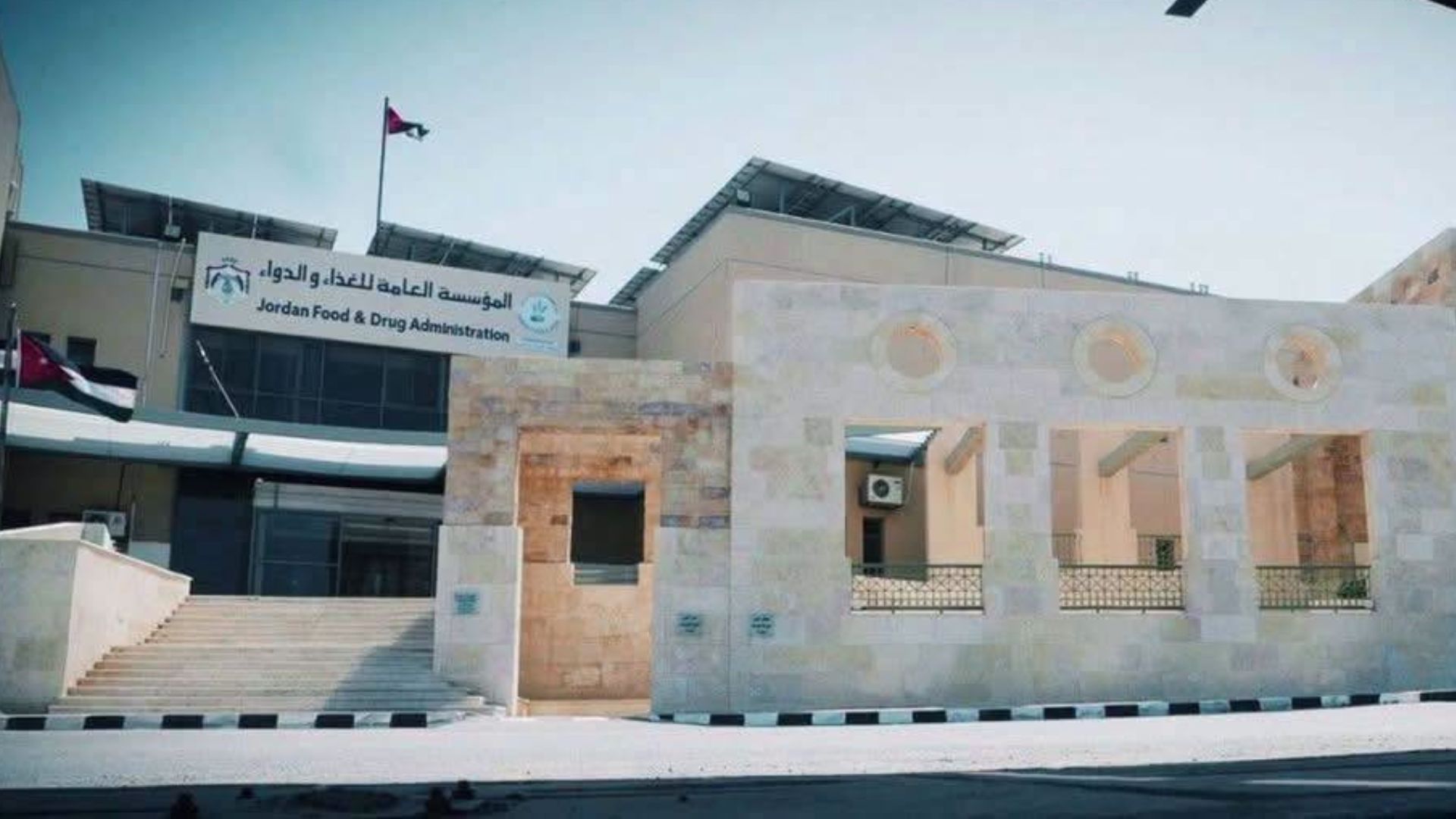
AMMAN, August 1 (Petra) — The Jordan Food and Drug Administration
(JFDA), operating through its Jerash branch, rapid response teams,
and tourism facilities unit, conducted more than 300 field
inspections targeting tourism establishments and restaurants across
Jerash Governorate, alongside food vending sites within the Jerash
Festival for Culture and Arts.
In a statement issued on Saturday, the administration explained that
these inspections form part of its specialized monitoring and
awareness plan for the 40th edition of the festival, designed to
safeguard food safety and quality for visitors across local eateries
and festival grounds.
The preparatory phase of the oversight plan involved comprehensive
pre-launch evaluations of all participating restaurants and food
facilities to verify their readiness and strict compliance with
public health prerequisites before welcoming festival attendees.
The inspection rounds encompassed a wide array of food
establishments, street kiosks, beverage stalls, local product
outlets, food preparation and storage zones, and cold-chain
facilities. JFDA inspection teams verified that displayed foodstuffs
remained within validity periods, refrigeration and storage
conditions met required standards, preparation areas maintained high
hygiene levels, and product labeling, expiration dates, and workers’
health practices aligned with regulatory codes.
The JFDA reported that the extensive field visits reflected a high
level of compliance among most establishments regarding public health
regulations and technical instructions. Minor observations were
addressed immediately through on-site technical guidance and
awareness instruction.
The administration affirmed that daily inspection programs will
continue unabated in close cooperation with festival management and
the Jerash Municipality throughout the duration of the event to
guarantee a secure and wholesome food supply for all visitors.
Furthermore, daily monitoring efforts incorporated targeted
educational outreach for establishment operators regarding optimal
protocols for storing, preparing, and transporting food items,
particularly amid high ambient temperatures and surging visitor
traffic coinciding with the festival.
//Petra// AA