ENV-KUWAIT-SUSTAINABLITYKuwait strengthens environmental sustainability through strategic initiativesBy Zahra Al-Kadhmi

HLT-KUWAIT-SURGERYKuwait advances health sector with robotic, remote surgeryBy Mohammad Al-Moseb

Saudi Arabia’s Voluntary Carbon Market Fuels the Shift to a Low-Carbon

Under UAE President’s directives, UAE launches urgent relief response for Ghana flood victims

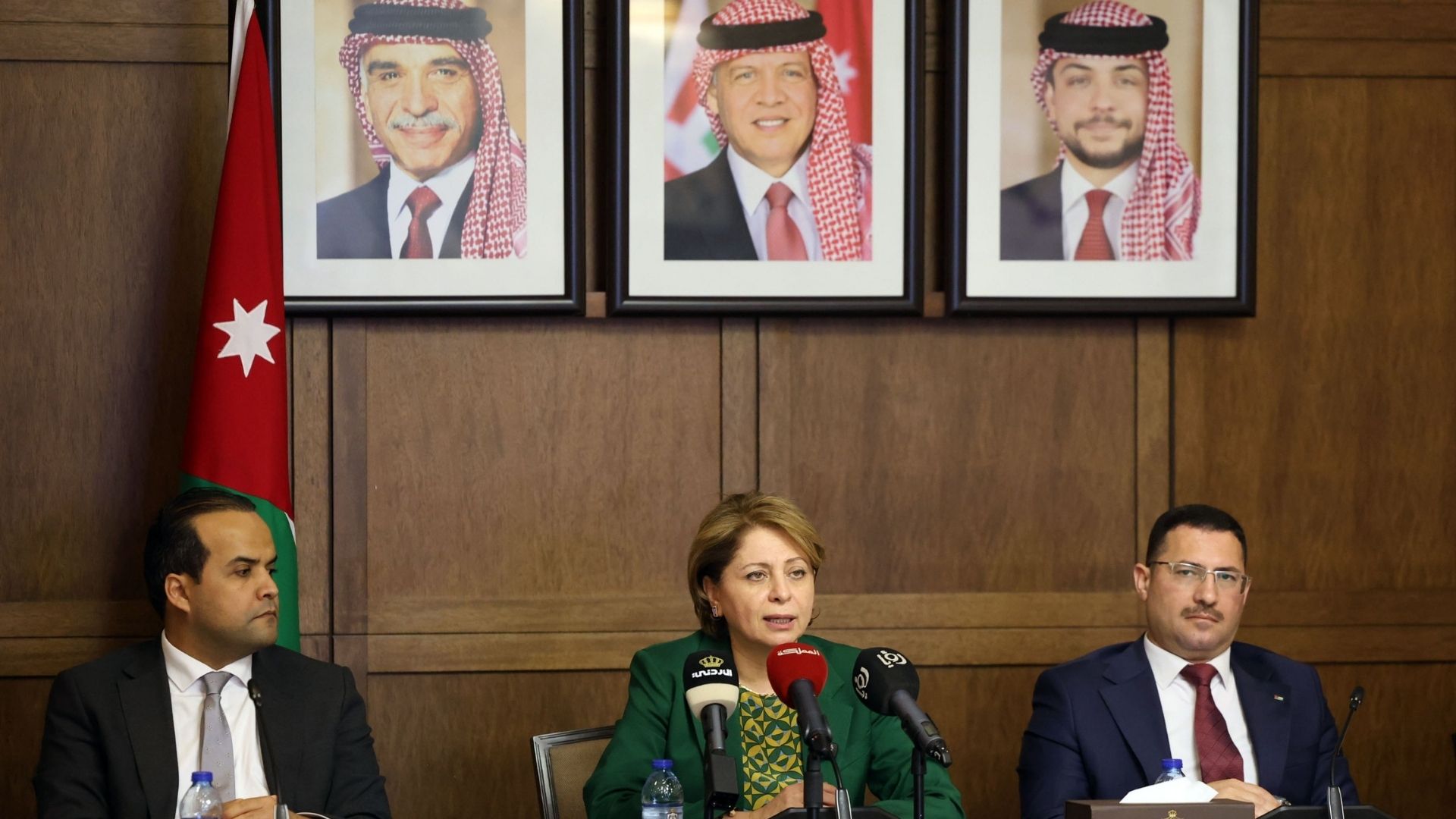
Amman, June 28 (Petra) – Minister of State for Public Sector
Development Badriya Balbisi on Sunday announced the launch of the
second phase of Jordan’s public sector corporate culture initiative
to strengthen institutional performance and improve government
services.
Implemented by the Civil Service and Public Administration Commission
in coordination with the Prime Ministry’s Public Sector Modernisation
Programme Management and Implementation Unit, the project forms part
of the second executive programme of the Public Sector Modernisation
Roadmap (2026-2029).
Speaking at the launch ceremony, Balbisi said Jordan is among the
first countries to make organisational culture a core component of
public sector modernisation, emphasising its role in improving
employee performance, enhancing service delivery and accelerating
decision-making.
“We are not discussing organisational culture as a theoretical
concept; rather, it is a tool for improving services, enhancing the
citizen and employee experience and expediting decision-making within
government institutions,” she said.
Balbisi discussed the role of ministry secretaries-general and heads
of government institutions in embedding the new culture within their
organisations to improve institutional performance and the quality of
public services.
Civil Service and Public Administration Commission Chair Fayez Nahar
said the initiative is one of the Commission’s strategic projects for
2024-2027 and aims to foster a citizen-centered culture built on
achievement, innovation, integrity and transparency.
He said the project assesses organisational behaviour and workplace
practices before translating the findings into practical development
plans that promote institutional excellence and continuous
improvement.
The second phase will cover 24 government entities during 2026 and
will produce Jordan’s first comprehensive national map of
organisational culture across the public sector, providing data to
support decision-making and guide future reform efforts.
The launch featured presentations on the project’s methodology and
the outcomes of its first phase, as well as the Jordan Customs
Department’s experience as a model for integrating organisational
values into daily operations.
Participants called for translating organisational culture into
tangible improvements in public services while drawing on
international best practices to strengthen internal communication and
institutional performance.
//Petra// AK