Jordan’s Q2 2026 GDP Expands 3.0%, Outperforming Regional Headwinds, International Forecasts
ENV-KUWAIT-SUSTAINABLITYKuwait strengthens environmental sustainability through strategic initiativesBy Zahra Al-Kadhmi

HLT-KUWAIT-SURGERYKuwait advances health sector with robotic, remote surgeryBy Mohammad Al-Moseb

Saudi Arabia’s Voluntary Carbon Market Fuels the Shift to a Low-Carbon

Amman, June 3 (Petra) — Under the patronage of Her Royal Highness
Princess Alia Bint Al Hussein, a regional workshop entitled
“Promoting Positive Community Behavior to Reduce Demand for Wildlife
and Birds in the Middle East” launched Wednesday in Amman, bringing
together representatives of governments, national, regional, and
international environmental organizations, as well as experts in
nature conservation from across the region.
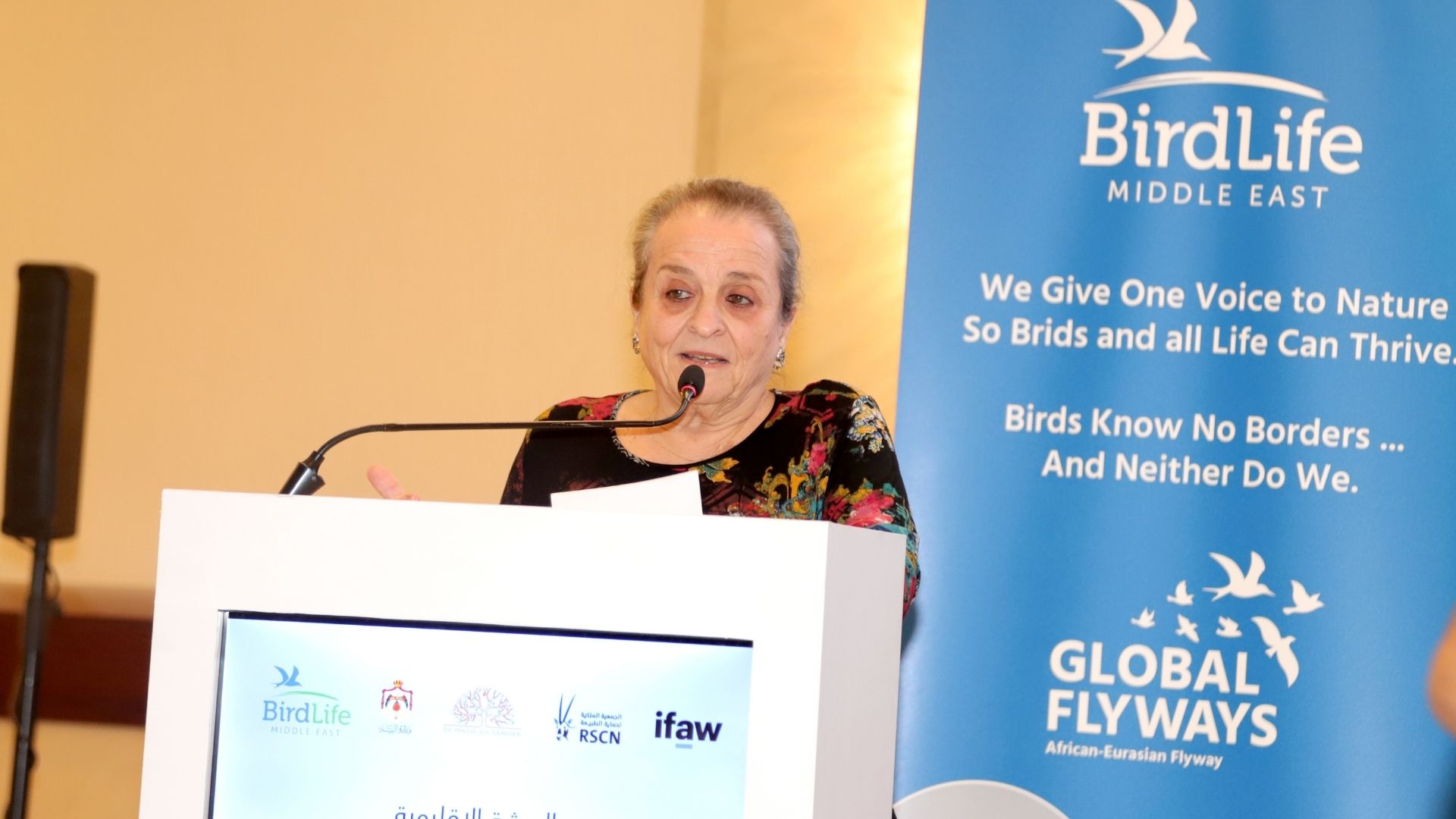
In her opening remarks, Her Royal Highness Princess Alia bint Al
Hussein emphasized the importance of promoting positive societal
attitudes and behaviors towards the conservation of nature and
wildlife, noting that a deep appreciation for nature is firmly
embedded in Arab culture and traditions.
Princess Alia highlighted the vital role of awareness-raising,
education, and the encouragement of positive behaviors, particularly
among children and young people, empowering them to share knowledge
with their peers and families. She noted that such efforts contribute
to building an informed and environmentally conscious society that
recognizes the consequences of losing any component of the natural
world and understands the importance of safeguarding natural
resources for future generations.
Princess Alia also stressed the importance of convening regional
workshops that bring together participants from across the Arab world
to exchange expertise and knowledge, and to discuss shared challenges
and potential solutions. She noted that such collaboration
contributes significantly to strengthening wildlife conservation
efforts and securing safe migratory routes for birds as they travel
across countries and regions along one of the world’s most important
flyways.
The workshop is organized by BirdLife International – Middle East and
the International Fund for Animal Welfare (IFAW), in cooperation with
the Royal Society for the Conservation of Nature (RSCN), the Princess
Alia Foundation and the Jordanian Ministry of Environment. It is
supported by the Safe Flyways for Migratory Birds Project 3: Reducing
Illegal Killing of Birds, which is being implemented in Lebanon,
Syria, Palestine and other Mediterranean countries.
The event aims to introduce behavioral change principles and
approaches drawn from the social sciences, while enhancing
understanding of the behavioral, social, economic and cultural
factors associated with the illegal killing, taking and trade of
birds in the Middle East. It also seeks to support the development of
evidence-based solutions and future initiatives to reduce demand for
wildlife and birds, while strengthening regional cooperation among
governments, civil society organisations, experts and international
partners to protect migratory birds and biodiversity across the
region.
In his opening remarks, Ibrahim Khader, Regional Director of BirdLife
International – Middle East, highlighted BirdLife’s pivotal role,
through its national partners worldwide, in placing illegal bird
killing on the agenda of international agreements and forums,
supporting independent monitoring efforts, and generating the
scientific evidence needed to inform government policies and
decision-making.
He noted that the workshop comes at a time when global assessments
continue to highlight unsustainable human activities and behaviors as
major drivers of biodiversity loss, while also recognizing that
positive behavior change can play a critical role in addressing these
challenges. He added that in the Middle East, one of the world’s most
important migratory bird flyways, illegal and unsustainable killing,
taking and trade continue to threaten many migratory and resident
bird species, including species of global conservation concern
Khader stressed that meaningful progress in addressing these
challenges requires moving beyond a sole reliance on legislation and
law enforcement towards a deeper understanding of the social,
economic and cultural factors that drive demand for birds and
wildlife.
Abdul Razzaq Hamoud, Director of Protection and Sustainable Hunting
at the Royal Society for the Conservation of Nature (RSCN), affirmed
that Jordan has prioritised nature conservation since the
establishment of the Kingdom through promoting public awareness and
strengthening partnerships between national institutions and civil
society organisations.
He added that the Society continues to implement conservation
programs and promote sustainable hunting practices in support of
biodiversity conservation, while actively supporting national and
regional efforts aimed at protecting nature and wildlife.
Hamoud further highlighted that the challenges arising from
instability in the region have contributed to an increase in illegal
hunting and wildlife trafficking. He stressed that the Society is
working closely with a range of partners to develop and deliver
accurate awareness and information campaigns that promote positive
behaviors in support of nature conservation and the sustainable
management of natural resources.
Akram Darwish, Regional Director of the International Fund for Animal
Welfare (IFAW), emphasised that one of the key reasons that has
driven the Fund to focus on changing social perceptions and behaviors
around the world is the significant impact they have on the
sustainability and survival of wildlife and its diverse components.
Achieving meaningful change requires strong coordination, the
exchange of expertise and research findings, and close collaboration
among all relevant stakeholders within each country, including both
governmental and non-governmental entities. Such cooperation can play
a vital role in transforming attitudes and behaviors that have
historically had negative impacts on wildlife and the ecosystems upon
which it depends.
Hani Shaer, the Regional Director of the International Union for
Conservation of Nature (IUCN) – West Asia Regional Office, emphasized
that Lasting conservation impact begins with understanding people,
influencing behavior, and empowering communities to become champions
of nature.
Bilal Qteishat, Director of the Nature Protection Directorate at the
Ministry of Environment, emphasized that the Ministry considers
behavior change to be one of the key pillars of biodiversity
conservation and habitat protection. He stressed that local
communities are the primary partners in safeguarding and ensuring the
sustainability of biodiversity components.
Through national programs and in partnership with national and
international civil society organizations, the Ministry seeks to
promote behavior change by delivering targeted awareness and guidance
messages that encourage positive environmental practices and support
conservation efforts.
The workshop is the second of its kind at the regional level and
builds on the outcomes of the first regional workshop held in Jordan
in 2024, which highlighted the need to strengthen regional
cooperation and develop innovative tools to address the underlying
causes and motivations behind the illegal killing, taking and trade
of birds.
Recent estimates indicate that approximately 25 million birds are
illegally killed, trapped or poisoned every year across the
Mediterranean region, ranging from the smallest songbirds to the
largest birds of prey.
The Killing 3.0 report the most comprehensive independent assessment
of illegal bird killing in the region recorded an estimated 20 per
cent decline in illegal bird killing levels compared with previous
assessments. However, progress remains uneven across countries, and
high levels of illegal bird killing in a single country can undermine
conservation gains achieved elsewhere along migratory flyways. This
underscores the importance of regional cooperation, sustained
investment and long-term political commitment to secure lasting
results.
Throughout the workshop, participants will explore how behavioral
change approaches can be applied to reduce demand for wildlife and
birds in the Middle East. Discussions will focus on behavioral change
concepts and tools, as well as the social, economic and cultural
factors driving the illegal killing, taking and trade of birds.
Sessions will also examine the role of traditions and social norms,
sustainable livelihood alternatives, communication, awareness-raising
and education in promoting positive attitudes and behaviors towards
birds and wildlife. Participants will further discuss opportunities
and challenges for regional and international cooperation in
addressing these issues.
The workshop will additionally explore current and emerging trends in
the bird trade across the region, as well as the role of technology
and digital platforms in influencing demand for wildlife. Discussions
will also address future priorities for integrating behavioral change
approaches into bird conservation projects and initiatives.
The workshop is expected to produce a set of practical
recommendations and initiatives aimed at reducing demand for illegal
activities involving birds and wildlife, while strengthening regional
cooperation and supporting biodiversity conservation efforts across
the Middle East.
//Petra// AJ