Saudi Arabia’s Voluntary Carbon Market Fuels the Shift to a Low-Carbon

Under UAE President’s directives, UAE launches urgent relief response for Ghana flood victims

Combating Desertification and Drought: Qatar a Model in Preserving Natural Resources, Establishing Environmental Stability

UAE allocates US$30 million for emergency humanitarian response in El Obeid, calls for civilian protection, safe humanitarian aid access in Sudan

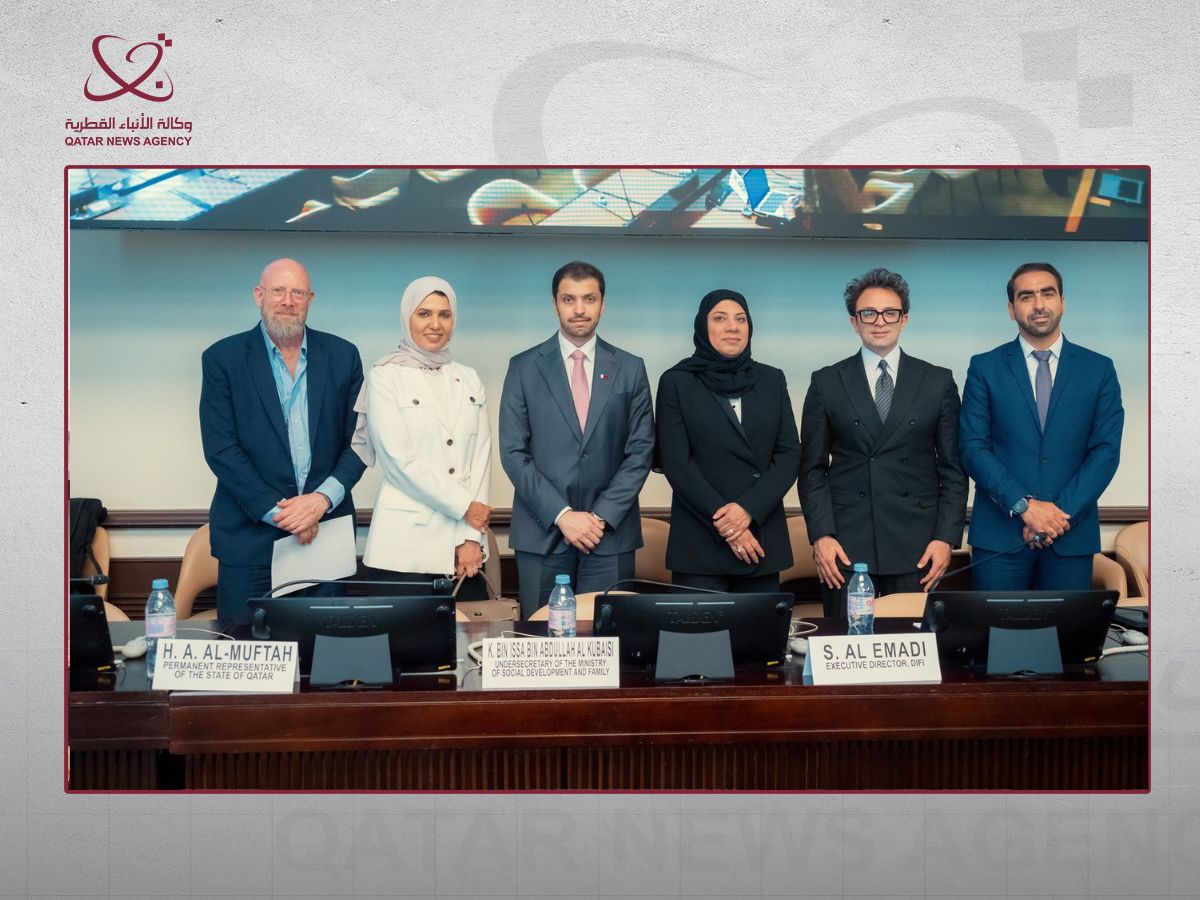
Geneva, June 24 (QNA) – Qatar Foundation (QF) and its partners took part in the 62nd session of the United Nations Human Rights Council (UNHRC) in Geneva.
This participation featured panel discussions that tackled issues in terms of supporting families in times of conflict, child protection from risks posed by the digital era, as well as enabling young people to undertake a powerful role in strengthening international humanitarian law.
In a statement on Wednesday, QF affirmed that its global participation highlighted the leading role the State of Qatar undertakes when it comes to empowering women and girls through sport, along with the importance of engaging them in designing their facilities and charting their own opportunities.
The statement added that the Doha International Family Institute (DIFI), a member of QF, had organized two events that convened an elite of international leaders to delve into solutions for the increasing challenges facing families amid the rapid transformations unfolding in the world, along with the growing dependence on technology.
The QatarDebate Center, a member of QF, held an event that projected the role of young people in strengthening international humanitarian law as espousers, intellectuals, and leaders in their societies.
In addition, QF noted that DIFI, in collaboration with the Permanent Mission of the State of Qatar to the UN Office in Geneva, organized a session on family well-being and resilience in times of conflict.
The panel discussed the fallout from humanitarian conflicts and crises on families, along with the consequent challenges on the provision of care, psychological support, and social stability.
This session, the statement outlined, convened Executive Director of DIFI, Dr. Sharifa Noaman Al Emadi, and Director of the Family Research and Policy Department at DIFI, Dr. Ahmed Aref, who suggested the significance of pursuing integrated policies of family resilience and supporting families in environments gripped by conflicts and crises through devising evidence-based policies and programs, alongside practical solutions that respond to their needs.
QF further pointed out that the institute organized a side event, in collaboration with the Permanent Mission of the Arab Republic of Egypt to the UN in Geneva and the World Organization for the Advancement of Women and Children.
The event, it said, was focused on protecting children from emerging forms of harm in the digital era, along with the role of parents, communities, and national institutions in ensuring that technological developments contribute to strengthening children’s well-being, rather than exposing them to noxious content or vitiating their mental health and social relationships.
In this regard, Al Emadi said DIFI recognizes that family welfare should be a core part of international discussions concerning policies and human rights, especially when it comes to areas of protection, resilience, and social stability.
She highlighted that DIFI’s participation in this international session offered a vital opportunity to deliver evidence based on its research and work to be conversed internationally.
This side event, organized in partnership with the Permanent Mission of the State of Qatar in Geneva on family well-being and its resilience in times of conflict, she suggested, was intended to project family well-being as a strategic prelude to bolster resilience, child protection, and support social stability in the contexts of crises and conflicts.
Al Emadi further noted that DIFI’s contribution to the side event on child protection from all kinds of emerging damage in the digital era had underscored the need for preventive and combined approaches that enhance the family role, enable parents, and support institutions.
In a related context, QatarDebate held an event on the coming humanitarian generation: the leadership role of youth in international humanitarian law, in collaboration with the Permanent Missions of the State of Qatar and the Hashemite Kingdom of Jordan.
The session, QF emphasized, formed a conversational platform that assembled representatives of diplomatic missions, regional and international organizations, as well as civil society organizations, alongside young people from a variety of territories around the globe.
It was intended to explore the role of young leaders in advancing international humanitarian law, with the session drilling down on multifaceted themes that included the contribution of international humanitarian law to consolidating enduring peace, along with the challenges and gaps it faces and how young people could contribute to advancing this law through societal initiatives.
Director of Administration and Strategy at QatarDebate Center, Abdulrahman Al Subaie, noted that it is significant to move from educational frameworks to the spaces of influence and decision-making with the engagement of young people.
He suggested that conversation is a pivotal tool to prepare a well-versed generation responsible for powerfully helping frame visions associated with global issues.
For her part, QatarDebate Center Ambassador and moderator of the session, Noor Mohammed Al-Thani, asserted that young people are no longer merely followers of crises, but have become powerful and influential actors capable of directing international deliberations toward obligations that protect human dignity and convert dialogue into concrete impact on the ground. (QNA)