
UAE sends 30 tonnes of food aid to support drought-affected communities in Kenya
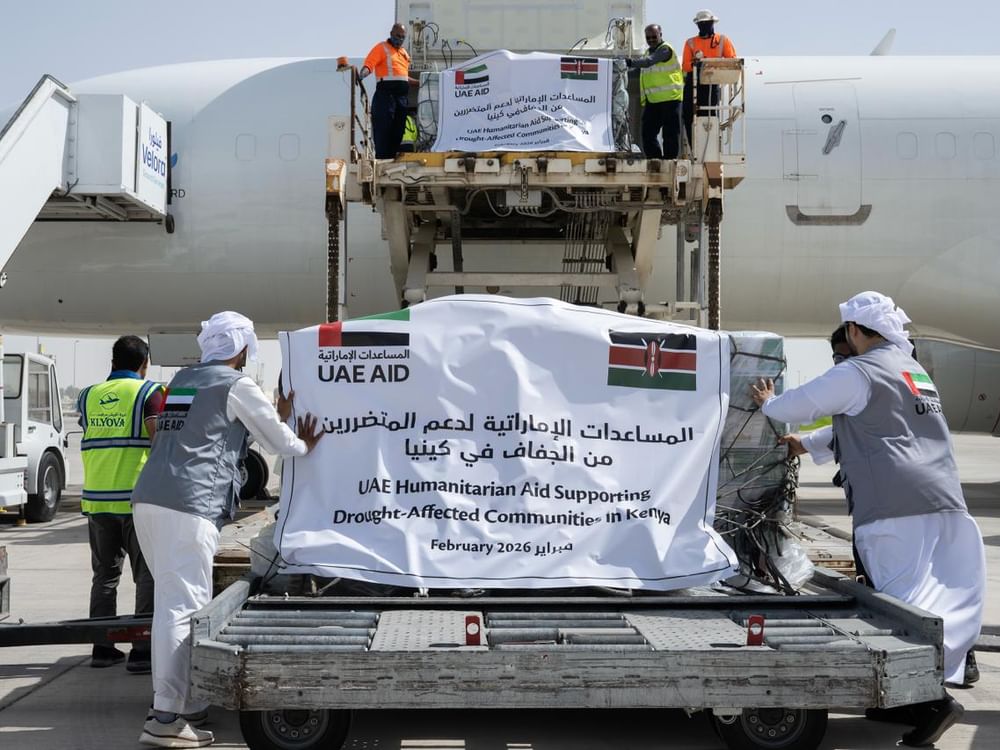
UAE provides urgent relief to support flood-affected communities in Mozambique
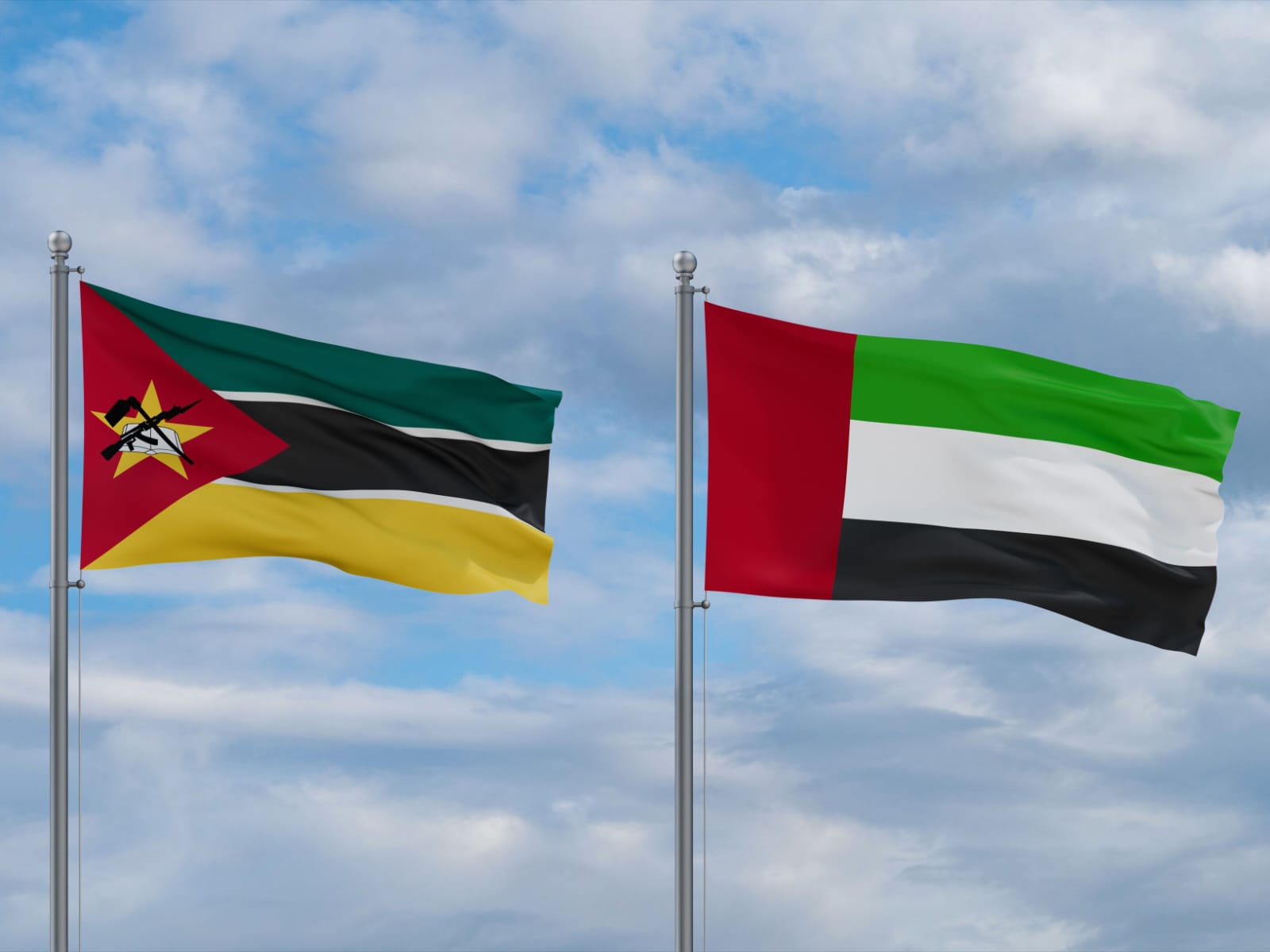
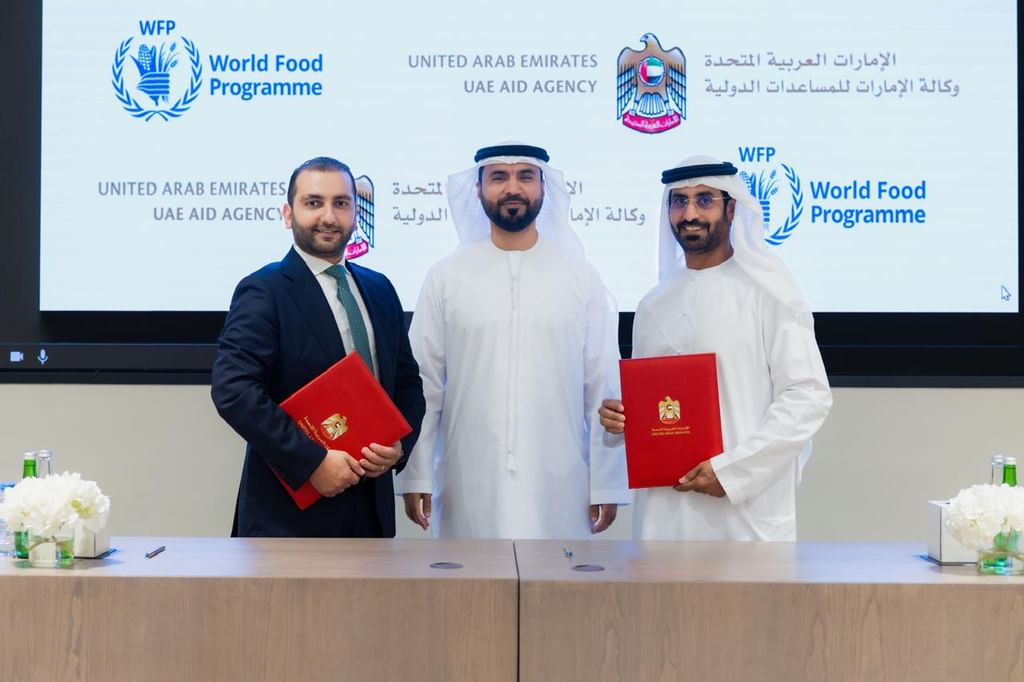
UAE signs cooperation agreement with UN World Food Programme to support humanitarian efforts in sudan
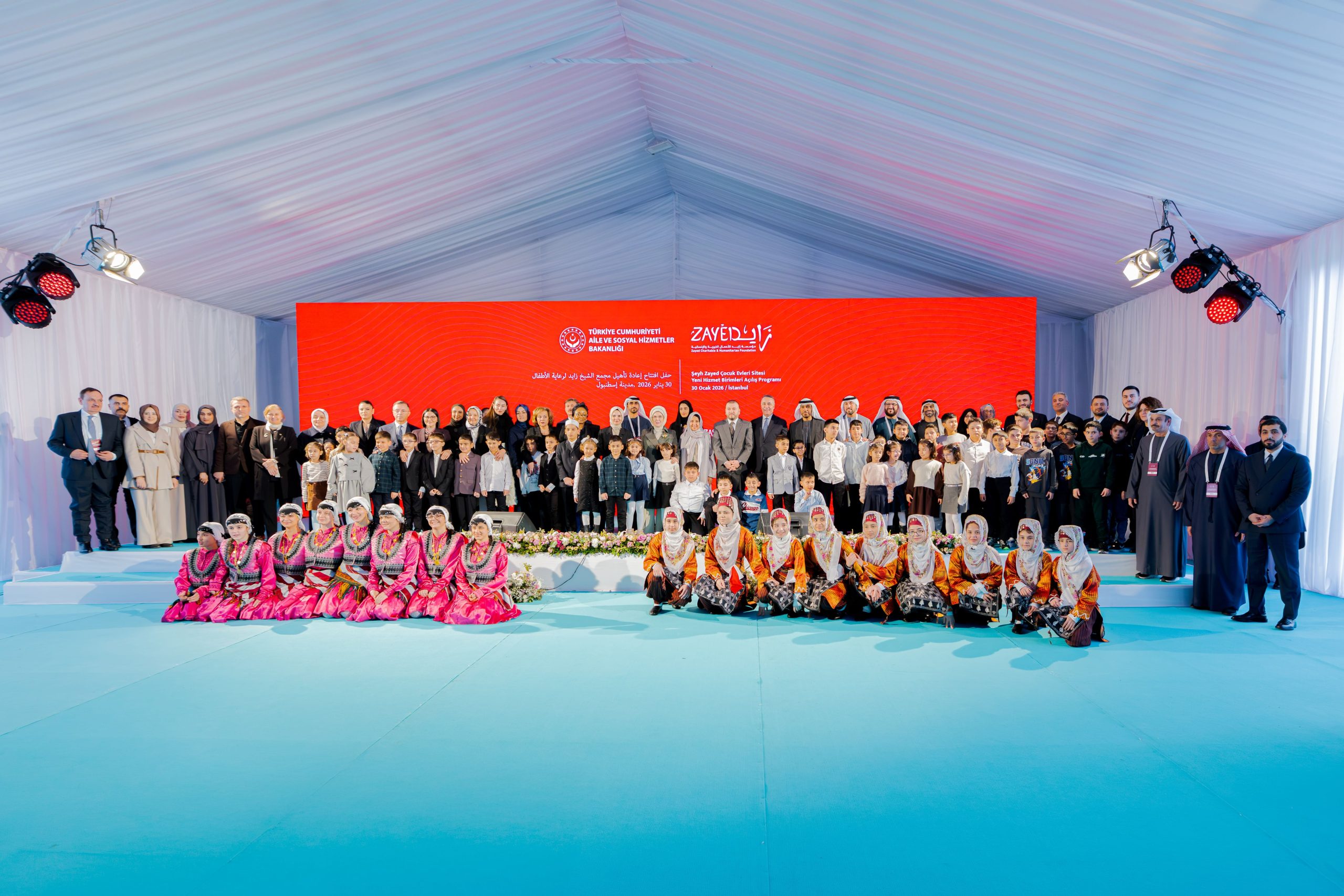
UAE reopens Sheikh Zayed Child Care Complex in Istanbul following comprehensive redevelopment
The 2026 Mega Cup: Football’s Global Juggernaut
Washington, 28 Dec 2025 (ONA) — The
2026 FIFA World Cup, the planet’s premier sporting spectacle, is poised to
become an event of unparalleled scale in its upcoming edition. The tournament
will feature 48 national teams contesting 104 matches across four time zones,
co-hosted by Canada, Mexico, and the United States.
Unlike the compact 2022 edition in
Qatar, the 2026 tournament will sprawl across 16 stadiums distributed over more
than 4,000 kilometers, a vast geography that promises a significant
environmental impact from Boston to Vancouver and down to Mexico City.
With the overwhelming majority of
venues in the United States (11), compared to two in Canada and three in
Mexico, team coaches have voiced concerns over multiple logistical challenges.
Squads will be forced to cover vast distances and compete in potentially
extreme conditions, from oppressive heat to punishing humidity.
For fans hoping to follow their
teams, the “exorbitant” cost of travel and accommodation, as
highlighted by the European Fans’ Association, contrasts sharply with official
promises of this being the “most inclusive” World Cup in history.
Furthermore, uncertainty looms for supporters from nations whose citizens face
entry visa bans under current U.S. policy, including qualified teams from Iran,
Haiti, Senegal, and Ivory Coast.
The World Cup continues to grow.
From 13 teams at its inception to the current 48, the 2026 format features 12
groups of four. The initial 72-match group stage will determine 32 qualifiers
for the knockout rounds, stretching the tournament over a record six weeks from
11 June to 19 July 2025.
While expansion has diluted the
number of classic first-round encounters, several marquee matchups remain,
including a potential showdown between global stars Kylian Mbappé of France and
Erling Haaland of Norway. Other highlights include Brazil vs. Morocco,
Argentina vs. Algeria, and England vs. Croatia.
The broader format has enabled debut
qualifications for nations like Curaçao, Uzbekistan, and Jordan, with others
like Kosovo and Albania still vying for a spot via the intercontinental
playoffs.
Despite this increased diversity,
the traditional powerhouses remain the primary title contenders. Since 1930,
only eight nations have lifted the trophy: Uruguay, Italy, Germany, Brazil,
England, Argentina, France, and Spain. For 2026, the list of favourites
includes reigning champion Argentina (potentially featuring Lionel Messi in a
record sixth tournament), France, England, a Cristiano Ronaldo-led Portugal,
and a Brazil side managed by Carlo Ancelotti. One notable absentee from the
list of qualified former champions is Italy, which risks missing its third
consecutive World Cup if it fails to navigate the European playoffs. Only a
fourth title for one of these elites would complete football’s most exclusive
circle.
— Ends/Khalid