Jordan’s Q2 2026 GDP Expands 3.0%, Outperforming Regional Headwinds, International Forecasts
ENV-KUWAIT-SUSTAINABLITYKuwait strengthens environmental sustainability through strategic initiativesBy Zahra Al-Kadhmi

HLT-KUWAIT-SURGERYKuwait advances health sector with robotic, remote surgeryBy Mohammad Al-Moseb

Saudi Arabia’s Voluntary Carbon Market Fuels the Shift to a Low-Carbon

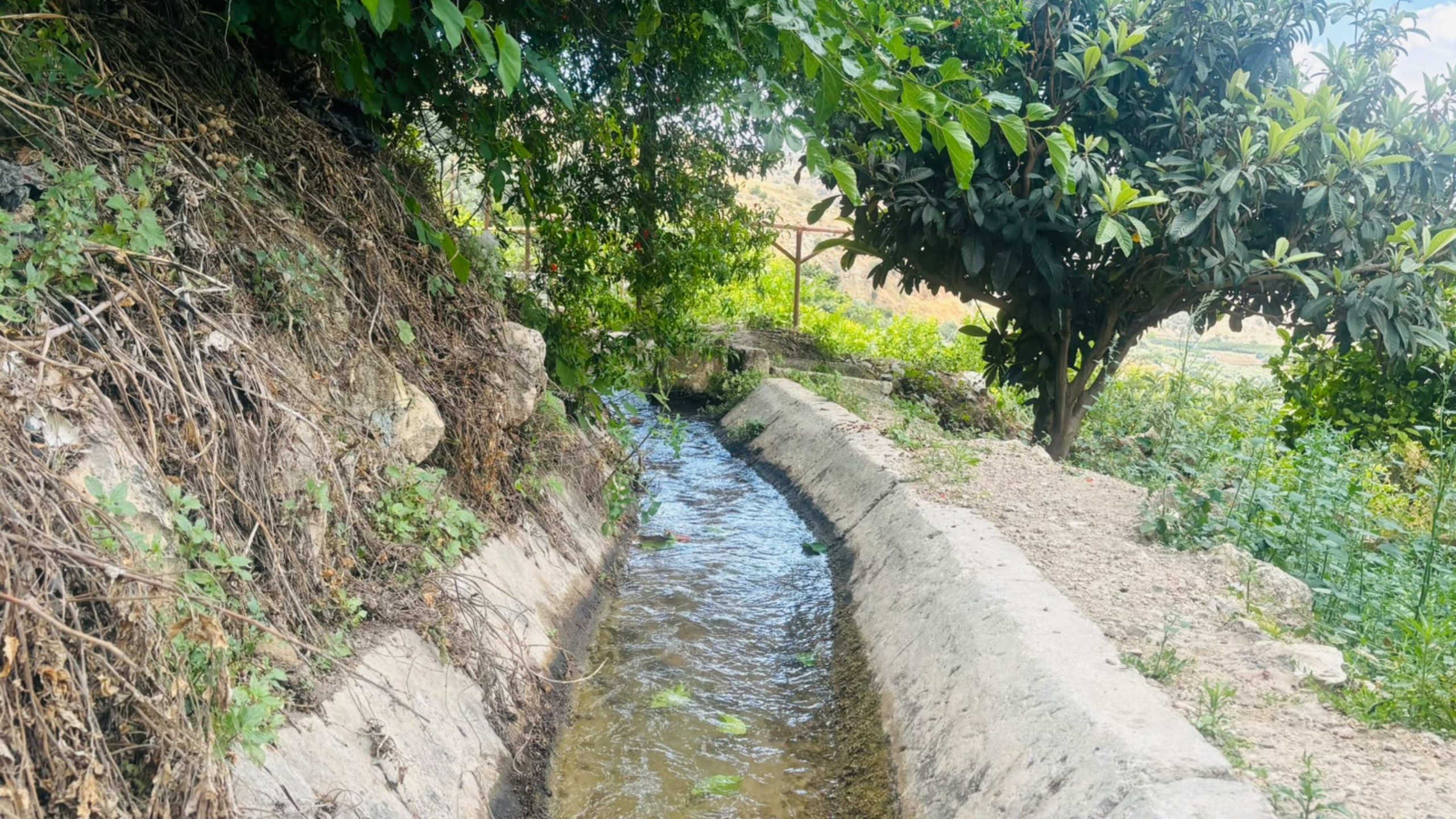
Ajloun, June 4 (Petra) — The historic irrigation canals that weave
through the village of Rajeb in Ajloun Governorate continue to play a
central role in supporting agricultural production, preserving
natural landscapes and safeguarding a rural heritage that has shaped
community life for generations.
The waterways remain a primary source of irrigation for orchards and
farms across the village, helping sustain fruit trees and
agricultural crops while contributing to the environmental character
that distinguishes the area.
Agricultural officials, farmers and local residents say the canals
have long served as more than a water distribution system, evolving
into a vital component of Rajeb’s agricultural identity and social
fabric.
Hazem Al-Amawi, Director of Agriculture in Kofranjah District, said
the irrigation canals remain among the key assets supporting
agricultural activity in several parts of the district, particularly
in areas known for fruit cultivation and productive orchards.
He noted that the canals play an important role in delivering water
to farms and trees, helping maintain agricultural output and preserve
vegetation cover throughout the region.
Al-Amawi stressed the importance of protecting water resources and
maintaining irrigation infrastructure to ensure the continued
sustainability of agricultural production and support for local
farmers.
For many growers, the canals remain indispensable. Farmer Arabi
Frihat said they provide a crucial source of irrigation water for
farms and orchards, especially during periods of high temperatures
when water demand rises significantly.
He explained that consistent water flows help protect crops and fruit
trees while supporting agricultural production that serves as a key
source of income for many families in the area.
Residents also view the canals as an important part of the village’s
cultural heritage. Mustafa Al-Barakat said the waterways have been
closely linked to daily life in Rajeb for decades and have
historically supported the orchards and fruit trees relied upon by
local households.
He recalled how residents traditionally worked together to maintain
the canals and manage water distribution through agreed schedules,
practices that helped strengthen community cooperation and ensure the
sustainable use of water resources.
According to Al-Barakat, the sound of flowing water remains a
familiar feature of life in the village and continues to evoke
memories associated with farming seasons and the agricultural
traditions passed down through generations.
Mohammad Al-Khattatbeh, a member of the “Environment Unites Us”
initiative, said the importance of the canals extends beyond
agriculture to include environmental and ecological benefits.
He noted that the waterways contribute to preserving the natural
scenery for which the area is known, while efforts to keep channels
clean and promote awareness of water conservation remain essential to
protecting local environmental resources.
As pressure on water resources increases across the region, residents
and agricultural stakeholders say preserving Rajeb’s irrigation
canals remains critical not only for sustaining agricultural activity
but also for protecting an environmental and cultural legacy that
continues to define the village and its landscape.
//Petra// RZ