Jordan’s Q2 2026 GDP Expands 3.0%, Outperforming Regional Headwinds, International Forecasts
ENV-KUWAIT-SUSTAINABLITYKuwait strengthens environmental sustainability through strategic initiativesBy Zahra Al-Kadhmi

HLT-KUWAIT-SURGERYKuwait advances health sector with robotic, remote surgeryBy Mohammad Al-Moseb
Saudi Arabia’s Voluntary Carbon Market Fuels the Shift to a Low-Carbon

Amman, June 7 (Petra) — Modern global trends no longer view nursing
merely as a healthcare profession but rather as a strategic
investment in human capital and a driver of national economic growth,
a senior official said on Sunday.
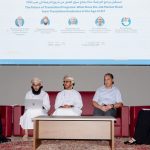
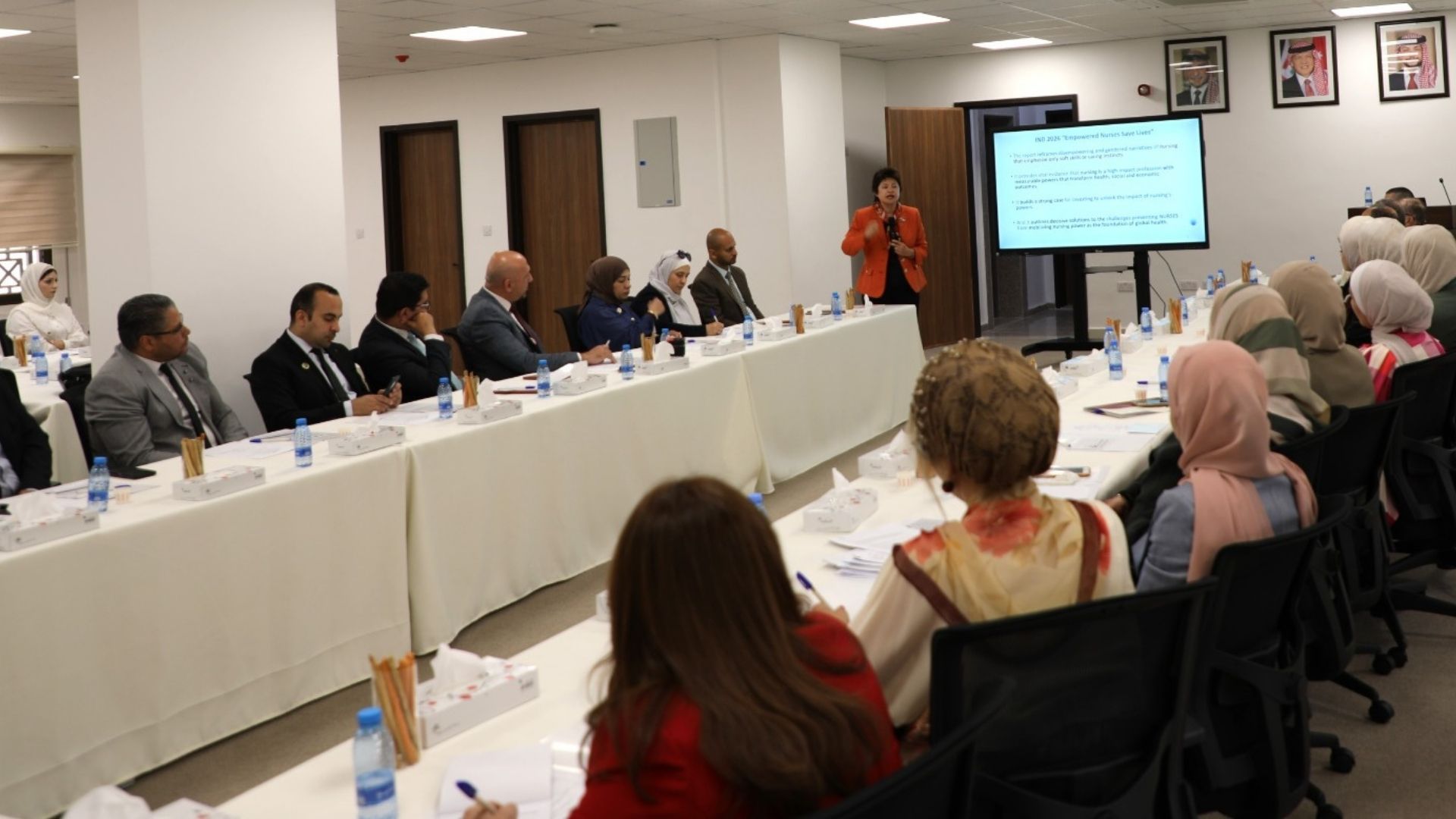
Speaking at the Jordanian Deans of Nursing Faculties Forum, Rowaida
Al-Maaitah, Advisor to Her Royal Highness Princess Muna Al Hussein
for Health and Social Development, said nursing has become a
cornerstone of health and national security, contributing directly to
community stability and sustainability.
The forum, organized by the Jordanian Nursing Council, brought
together nursing deans and representatives from academic and health
institutions to discuss nursing education, global professional
trends, and the sector’s role in sustainable development.
Al-Maaitah highlighted the International Council of Nurses’ 2026
International Nurses Day report, titled “Our Nurses. Our Future. The
economic power of care,” stating that it presents an advanced global
vision that refines the true value of nursing. The report shifts the
perspective of nursing from an operational cost within health systems
to a high-return investment in individuals, productivity, and
economic growth.
“Healthcare workers constitute one of the most critical components of
national human capital,” Al-Maaitah said, adding that as the largest
professional group in the global health workforce, nurses are the
primary drivers of this development. She emphasized that any
investment in the health workforce would fall short unless nursing is
placed at its core.
Investing in nursing education, professional development, leadership,
and the work environment is an investment in the future of
socio-economic development, Al-Maaitah added, noting that healthier
communities are more productive and less prone to economic losses
linked to diseases and complications.
The global report identifies seven strategic pillars of empowered
nurses: the power of trust, professionalism, numbers, practice, care,
proximity to communities, and peace. Al-Maaitah explained that these
elements turn nursing into a strategic force to improve health
outcomes, promote equity, and build resilient societies.
She particularly emphasized the “power of peace,” which underscores
the vital role of nurses in emergency response, disasters,
humanitarian crises, and maintaining health services for vulnerable
populations, making nursing an essential partner in national and
global health security.
Al-Maaitah added that the definition of modern national security has
evolved to encompass health and humanitarian dimensions, making
nursing investments vital for national readiness and societal
stability.
She praised the Jordanian Nursing Council’s efforts in leading the
national dialogue to align nursing education with global trends and
health system requirements, noting that the deans’ forum serves as an
important platform to unify visions between academic and professional
institutions.
Al-Maaitah concluded by paying tribute to the decades-long vision
established by Princess Muna, which she said anticipated current
global trends by recognizing that building a strong, empowered
nursing profession is a direct investment in community health.
Under the leadership of His Majesty King Abdullah II, Jordan
continues to serve as a regional model in supporting the healthcare
sector and developing the nursing profession, grounded in the
conviction that human capital is the nation’s most valuable asset,
Al-Maaitah said.
//Petra// AF