Jordan’s Q2 2026 GDP Expands 3.0%, Outperforming Regional Headwinds, International Forecasts
ENV-KUWAIT-SUSTAINABLITYKuwait strengthens environmental sustainability through strategic initiativesBy Zahra Al-Kadhmi

HLT-KUWAIT-SURGERYKuwait advances health sector with robotic, remote surgeryBy Mohammad Al-Moseb

Saudi Arabia’s Voluntary Carbon Market Fuels the Shift to a Low-Carbon

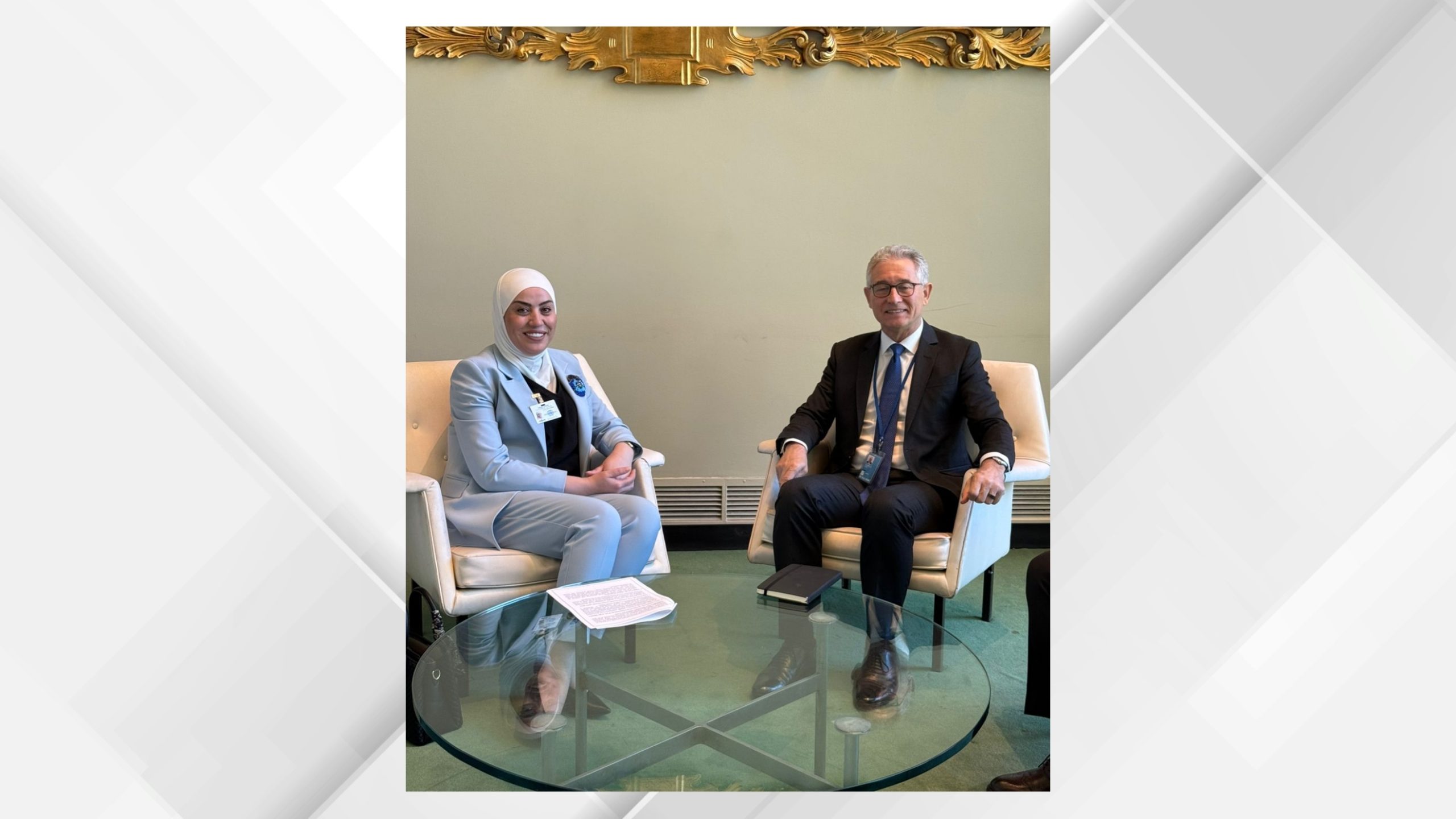
New York, June 10 (Petra) — Efforts to strengthen social protection
systems and expand support for vulnerable groups were at the center
of discussions between Minister of Social Development Wafa Bani
Mustafa and UNICEF Director of Change Management Philippe Duamelle
during a meeting held on the sidelines of a United Nations conference
in New York.
The talks focused on enhancing cooperation in programs targeting
children, women and vulnerable families, while exploring
opportunities to deepen the long-standing partnership between the
ministry and the United Nations Children’s Fund (UNICEF).
The meeting took place during the 19th session of the Conference of
States Parties to the Convention on the Rights of Persons with
Disabilities, currently being held at United Nations headquarters.
Bani Mustafa highlighted the importance of broadening cooperation in
line with national priorities and the objectives of the National
Social Protection Strategy (2025–2033), which seeks to strengthen the
effectiveness and inclusiveness of social services.
She praised UNICEF’s contribution to the development and
modernization of the strategy, noting the organization’s role in
providing technical support, facilitating national consultations and
supporting specialized policy discussions throughout the strategy’s
preparation process.
The minister also reviewed ongoing cooperation in developing an
integrated social protection system capable of responding more
effectively to the needs of beneficiaries and adapting to evolving
social and economic challenges.
Particular attention was given to the “Makani” program, which
provides a range of services for children, adolescents and vulnerable
families. Bani Mustafa said UNICEF’s support has helped expand the
program’s reach and improve service quality through training,
capacity-building and technical assistance.
She noted that the partnership has contributed to increasing access
to non-formal education, child protection services and life-skills
programs, while also supporting initiatives related to the
classification of associations and the development of the “Takamol”
digital platform.
The discussions also addressed future cooperation in building
shock-responsive social protection systems, enhancing comprehensive
services for children and women, and strengthening the ministry’s
institutional and digital capacities.
Both sides reviewed opportunities to continue developing the Makani
program and to launch additional initiatives aimed at improving
social services and expanding protection mechanisms for vulnerable
communities.
Duamelle commended efforts to advance social protection and social
development programs and reaffirmed UNICEF’s commitment to supporting
future initiatives and strengthening cooperation with the ministry.
The meeting underscored the importance of international partnerships
in advancing social development priorities and enhancing the
effectiveness of programs designed to improve the wellbeing of
vulnerable groups.
//Petra// RZ