Jordan’s Q2 2026 GDP Expands 3.0%, Outperforming Regional Headwinds, International Forecasts
ENV-KUWAIT-SUSTAINABLITYKuwait strengthens environmental sustainability through strategic initiativesBy Zahra Al-Kadhmi

HLT-KUWAIT-SURGERYKuwait advances health sector with robotic, remote surgeryBy Mohammad Al-Moseb

Saudi Arabia’s Voluntary Carbon Market Fuels the Shift to a Low-Carbon

Irbid, June 11 (Petra) — Industry leaders, international experts and
development partners have begun exploring sustainable solutions for
recycling textile waste generated by garment manufacturing, amid
growing efforts to strengthen environmental performance and promote
circular economy practices across the industrial sector.
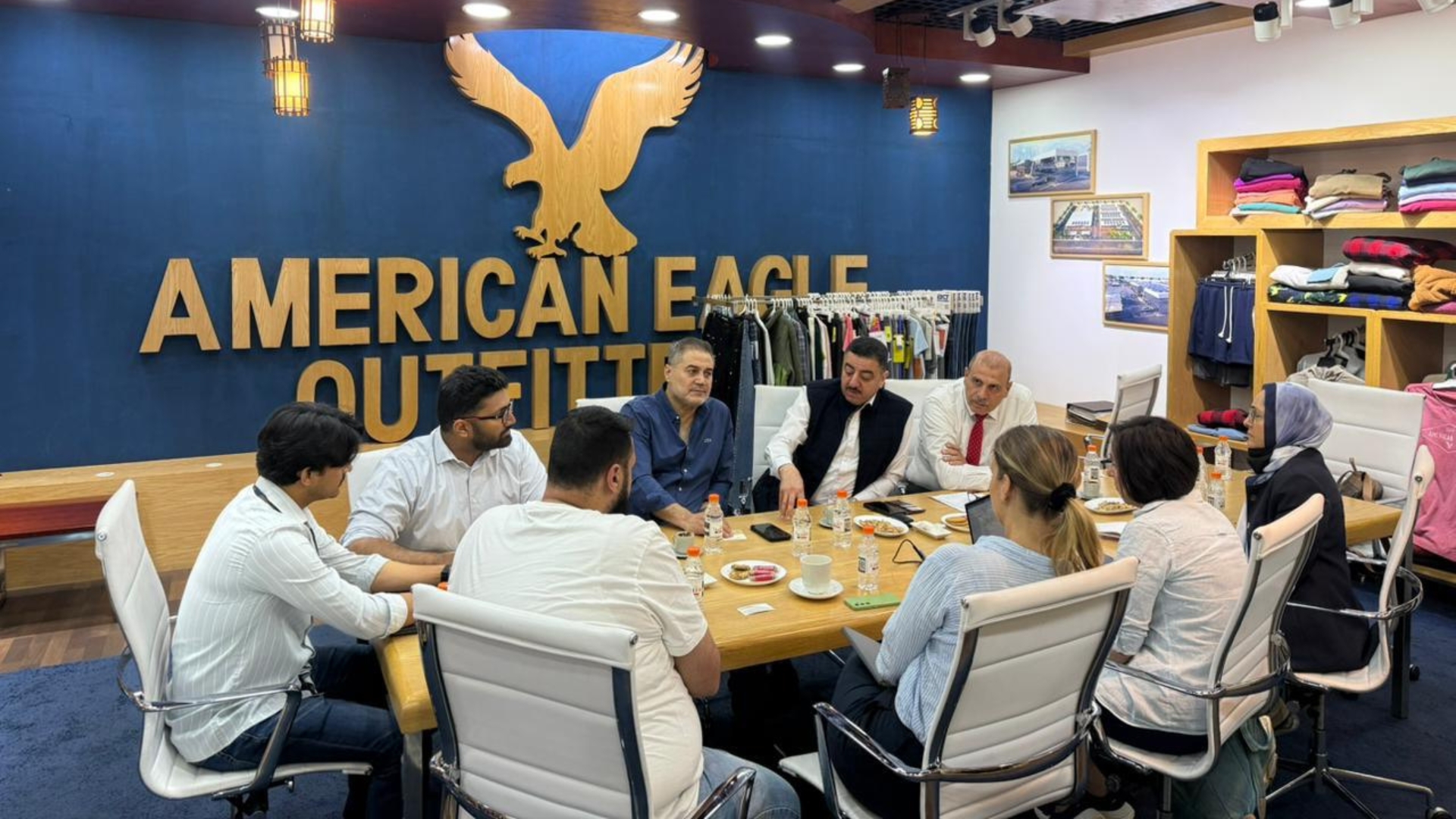
The discussions were organized by the Irbid Chamber of Industry and
brought together representatives of garment and textile factories,
officials from the German Agency for International Cooperation (GIZ)
and specialists in sustainability and industrial waste management.
Participants examined the challenges associated with fabric scraps
produced during manufacturing processes and reviewed international
experiences in recycling and reusing textile waste to generate
economic and environmental value.
Chairman of the Irbid Chamber of Industry Hani Abu Hassan said the
garment and textile sector remains one of the country’s leading
industrial employers, making sustainability and resource efficiency
increasingly important priorities for future growth.
He noted that finding practical and commercially viable solutions for
managing fabric waste could help manufacturers reduce production
losses, lower environmental impacts and improve the competitiveness
of local industries.
Abu Hassan emphasized the importance of cooperation between
manufacturers, development organizations and international experts to
identify solutions that are both economically feasible and aligned
with global sustainability standards.
The meeting featured presentations on successful international models
for collecting, sorting and recycling textile waste, including
initiatives that transform discarded fabric into new products with
commercial value.
Participants also discussed a range of technical, logistical and
regulatory challenges that continue to hinder large-scale recycling
efforts within the sector.
Experts highlighted the importance of developing an integrated
framework for textile waste management capable of supporting
sustainable production practices while enhancing the industry’s
environmental credentials.
Representatives of participating factories outlined key operational
challenges related to waste collection, sorting and recycling
infrastructure, calling for practical mechanisms that can facilitate
implementation across the sector.
The initiative forms part of broader efforts by the chamber to
strengthen industrial sustainability, support environmental
innovation and encourage greater collaboration between manufacturers
and local and international stakeholders.
At the conclusion of the discussions, participants agreed to
formulate a set of recommendations and proposals for submission to
relevant authorities, with the aim of accelerating the development of
effective and sustainable textile recycling solutions.
The proposed measures are expected to support industrial
competitiveness, reduce waste and contribute to wider environmental
and economic objectives.
//Petra// RZ