
Jordan’s Q2 2026 GDP Expands 3.0%, Outperforming Regional Headwinds, International Forecasts

ENV-KUWAIT-SUSTAINABLITYKuwait strengthens environmental sustainability through strategic initiativesBy Zahra Al-Kadhmi

HLT-KUWAIT-SURGERYKuwait advances health sector with robotic, remote surgeryBy Mohammad Al-Moseb

Saudi Arabia’s Voluntary Carbon Market Fuels the Shift to a Low-Carbon

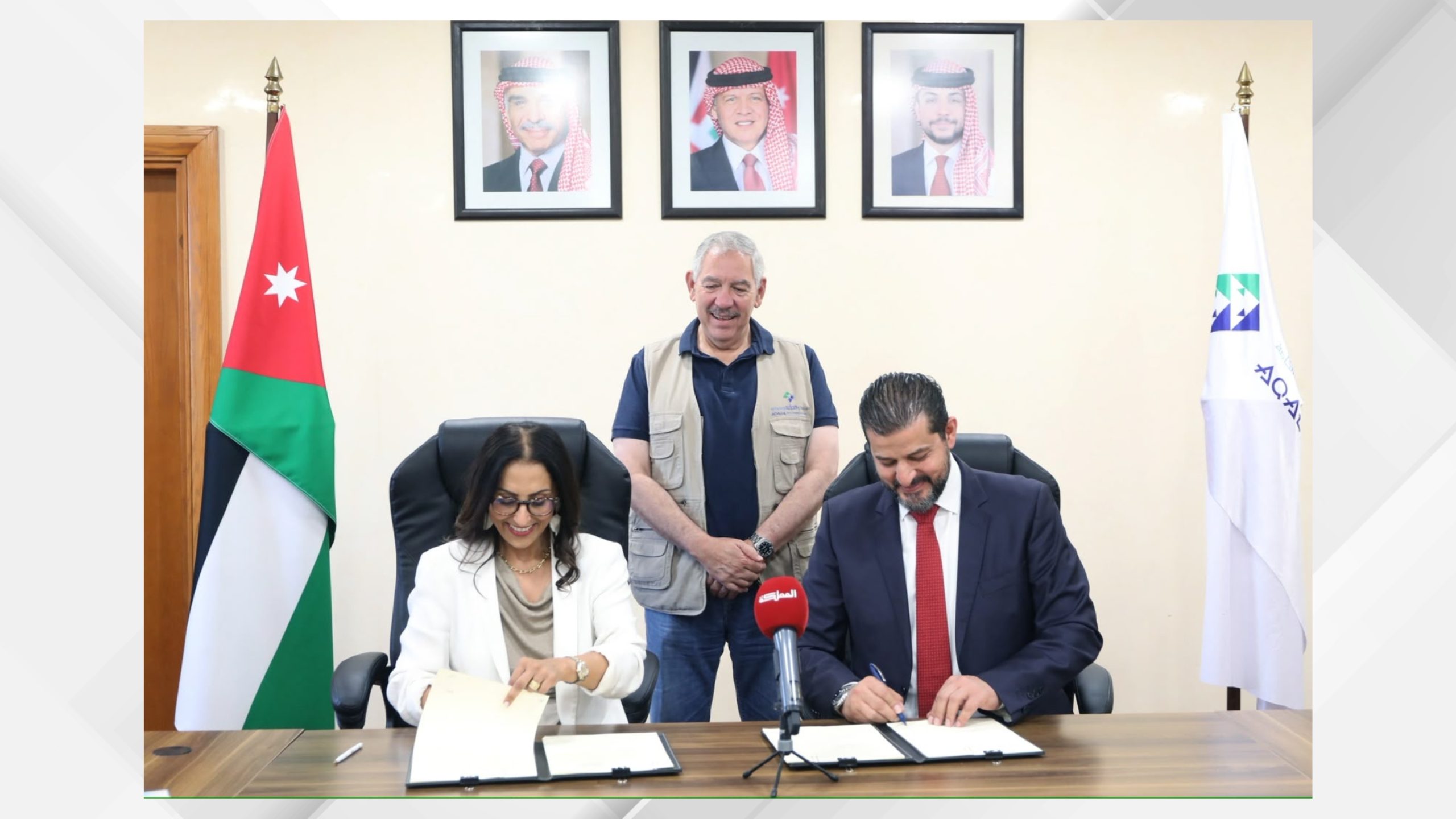
Aqaba, June 11 (Petra) — The Aqaba Special Economic Zone Authority
(ASEZA) and the United Nations Educational, Scientific and Cultural
Organization (UNESCO) have signed a cooperation agreement aimed at
strengthening sustainable development efforts, preserving cultural
and natural heritage, and supporting local communities.
The agreement was signed by ASEZA Commissioner for Tourism and Youth
Thabet Al-Nabulsi and UNESCO Representative to Jordan and Head of
Office Noha Bawazir, in the presence of ASEZA Chief Commissioner
Shadi Al-Majali.
Al-Nabulsi said the agreement reflects ASEZA’s commitment to
safeguarding the cultural and environmental heritage of Wadi Rum, one
of the Kingdom’s most prominent natural and archaeological landmarks
and a UNESCO World Heritage Site.
He noted that preserving cultural identity and authentic Bedouin
heritage remains a key pillar of sustainable development plans in the
region, emphasizing the importance of balancing heritage conservation
with economic and social development.
The agreement seeks to strengthen cooperation in implementing
sustainable development initiatives that support local communities,
expand participation in development projects and create long-term
economic opportunities for residents.
For her part, Bawazir said the partnership reflects a shared
commitment to advancing sustainable development through the
protection of cultural and natural heritage and the empowerment of
local communities.
She highlighted Wadi Rum’s exceptional cultural and universal value,
stressing the importance of preserving the site and its unique
heritage for future generations.
Under the agreement, UNESCO will support efforts to document and
protect cultural heritage assets, enhance public awareness of their
significance and strengthen local capacities in heritage management
and conservation.
The partnership will also promote initiatives related to
environmental protection, biodiversity conservation, sustainable
tourism development, education, vocational and technical training, as
well as media and information literacy programs.
Officials said the agreement represents an important step toward
integrating heritage preservation with sustainable development
objectives while enhancing the role of local communities in
protecting and benefiting from the region’s cultural and natural
resources.
//Petra// RZ