Jordan’s Q2 2026 GDP Expands 3.0%, Outperforming Regional Headwinds, International Forecasts
ENV-KUWAIT-SUSTAINABLITYKuwait strengthens environmental sustainability through strategic initiativesBy Zahra Al-Kadhmi
HLT-KUWAIT-SURGERYKuwait advances health sector with robotic, remote surgeryBy Mohammad Al-Moseb

Saudi Arabia’s Voluntary Carbon Market Fuels the Shift to a Low-Carbon

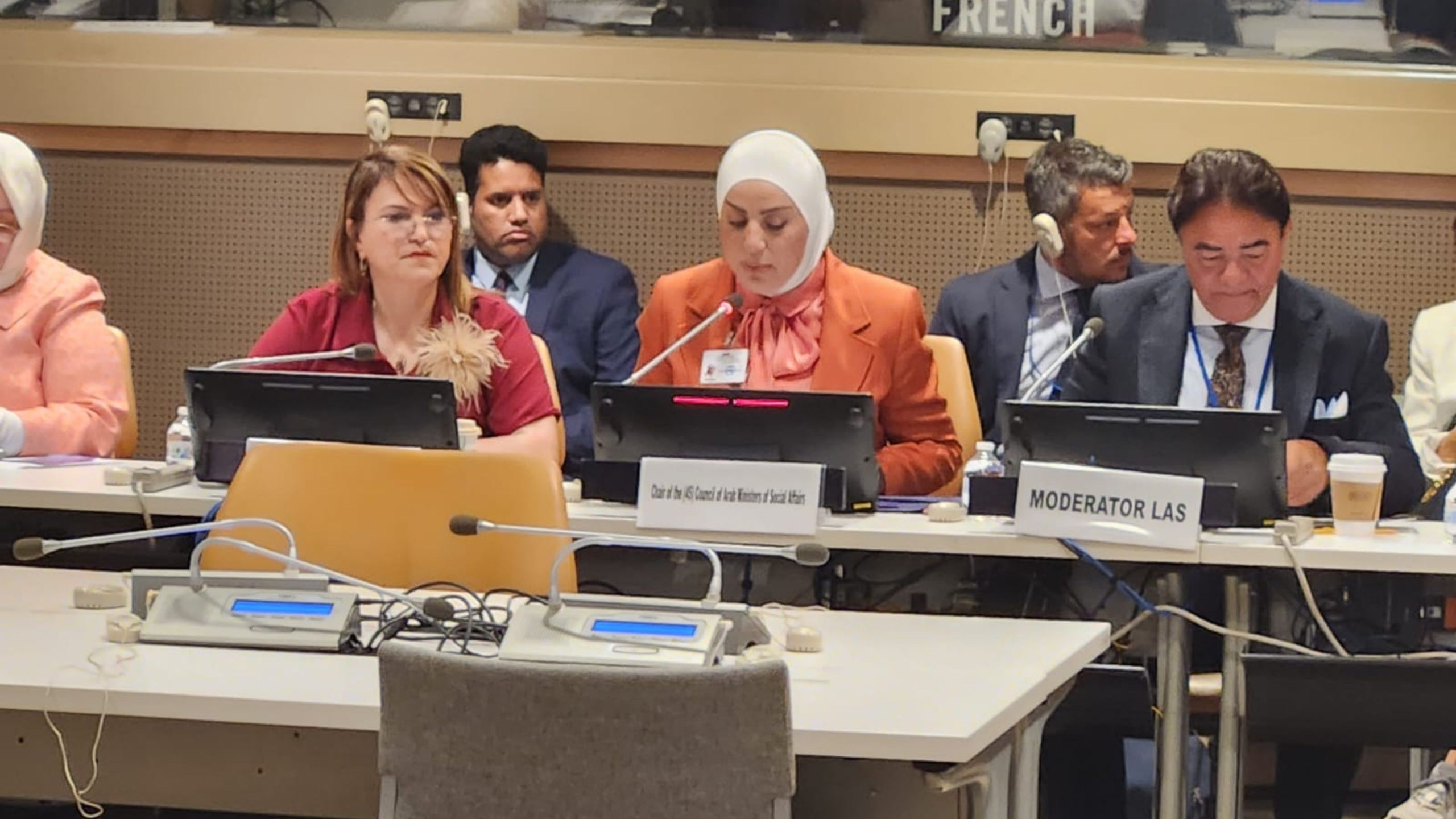
New York, June 11 (Petra)– Minister of Social Development, Wafa Bani
Mustafa, who currently chairs the 45th session of the Council of Arab
Ministers of Social Affairs, participated on Thursday in a side event
titled “Inclusive and Resilient Communities: Regional Action for the
Protection and Empowerment of Persons with Disabilities Towards
National Implementation of the Convention on the Rights of Persons
with Disabilities and Enhanced Community Participation.”
The event was organized by the Arab League on the sidelines of the
19th Session of the Conference of States Parties to the Convention on
the Rights of Persons with Disabilities (COSP19) in New York.
In her remarks, Bani Mustafa said the event reflects the Council’s
commitment to keeping disability issues at the forefront of joint
Arab social action and advancing efforts to promote the rights,
empowerment, and full participation of persons with disabilities
across all areas of life.
She noted that since Jordan assumed the presidency of the Council’s
45th session, special attention has been given to disability-related
issues, emphasizing the importance of strengthening rights and
ensuring full social inclusion in line with regional and
international commitments. She added that this focus builds on
Jordan’s role as a key partner in organizing the Global Disability
Summit “Amman-Berlin” and the commitments and initiatives that
emerged from it.
Bani Mustafa stressed that the event comes at a time when the Arab
region and many countries around the world face shared challenges
that underscore the need for more inclusive and resilient policies
and systems capable of protecting and empowering persons with
disabilities while enhancing their active participation in society.
She described the gathering as an important platform for dialogue,
knowledge-sharing, and the development of common visions that support
national implementation of the Convention on the Rights of Persons
with Disabilities.
The minister said that, under the directives of His Majesty King
Abdullah II and the government of Prime Minister Jaafar Hassan,
Jordan believes that building resilient communities begins with
establishing integrated and flexible social protection systems
capable of responding to the needs of all members of society,
particularly persons with disabilities during crises, disasters, and
emergencies.
As part of efforts to strengthen the responsiveness of social
protection systems to shocks and crises, she revealed that the
Ministry of Social Development is developing a national Social Early
Warning System. The initiative is designed as a proactive tool to
monitor social and economic risks and identify the groups and regions
most vulnerable to crises.
According to Bani Mustafa, the system will support decision-making by
providing data and indicators necessary for early intervention,
ensuring the continued delivery of social protection services,
especially for persons with disabilities, women, children, and other
vulnerable groups.
She also highlighted Jordan’s commitment to supporting independent
living and expanding community-based services, enabling persons with
disabilities to live independently, participate fully in society, and
access greater opportunities in education, employment, and economic
and social empowerment.
The minister emphasized that growing global challenges, including
conflicts, humanitarian crises, climate change, and economic
hardships, reinforce the need to integrate disability issues into
humanitarian action and emergency response plans to guarantee equal
access to services and protection without barriers or discrimination.
Concluding her remarks, Bani Mustafa expressed appreciation to Arab
ministers and representatives for supporting Jordan’s nominee,
Muhannad Al-Azza, Secretary-General of the Higher Council for the
Rights of Persons with Disabilities, for membership in the UN
Committee on the Rights of Persons with Disabilities.
She reaffirmed Jordan’s belief that persons with disabilities are not
merely recipients of services but essential partners in development
and decision-making, adding that strengthening their participation
and leadership in shaping public policies and national programs is
fundamental to achieving inclusive and sustainable development.
The event forms part of ongoing efforts to follow up on the outcomes
of the Amman-Berlin Global Disability Summit, while recognizing the
role of the League of Arab States and all partners involved in
organizing the event.
//Petra// MF