Jordan’s Q2 2026 GDP Expands 3.0%, Outperforming Regional Headwinds, International Forecasts
ENV-KUWAIT-SUSTAINABLITYKuwait strengthens environmental sustainability through strategic initiativesBy Zahra Al-Kadhmi

HLT-KUWAIT-SURGERYKuwait advances health sector with robotic, remote surgeryBy Mohammad Al-Moseb

Saudi Arabia’s Voluntary Carbon Market Fuels the Shift to a Low-Carbon

Amman, June 14 (Petra) — The Higher Steering Committee of Fils
Al-Reef, chaired by Minister of Energy and Mineral Resources Saleh
Al-Kharabsheh, has approved a new package of electricity projects
aimed at extending service to underserved areas across the Kingdom.
The latest approvals cover 199 homes and various sites for the month
of May, with a total investment of approximately JD 1.053 million.
The initiative will deliver electricity through a combination of
traditional grid extensions and off-grid solar energy systems,
depending on the location and feasibility.
Hisham Al-Momani, Director of the Electricity and Rural
Electrification Directorate, said the program reflects ongoing
efforts to expand access to electricity in rural and remote
communities, in line with updated regulations designed to broaden
eligibility for government-supported connections. The projects
include residential clusters, small settlements, and a range of
economic activities.
According to the Ministry of Energy and Mineral Resources, priority
has been given to households located outside zoning boundaries, along
with vulnerable families with limited income. The plan also supports
agricultural activity, including livestock farms such as poultry,
cattle, sheep, and fish production, as well as farms relying on
groundwater wells.
In addition to agriculture, funding has been allocated to productive
and investment-oriented ventures, including industrial, tourism, and
commercial projects, particularly those expected to create job
opportunities for local communities. Public and community-serving
facilities, such as government sites, cooperatives, and charitable
organizations, are also included in the program.
The initiative further extends to infrastructure improvements,
including the installation of lighting along roads leading to
cemeteries to improve safety and accessibility during nighttime
hours.
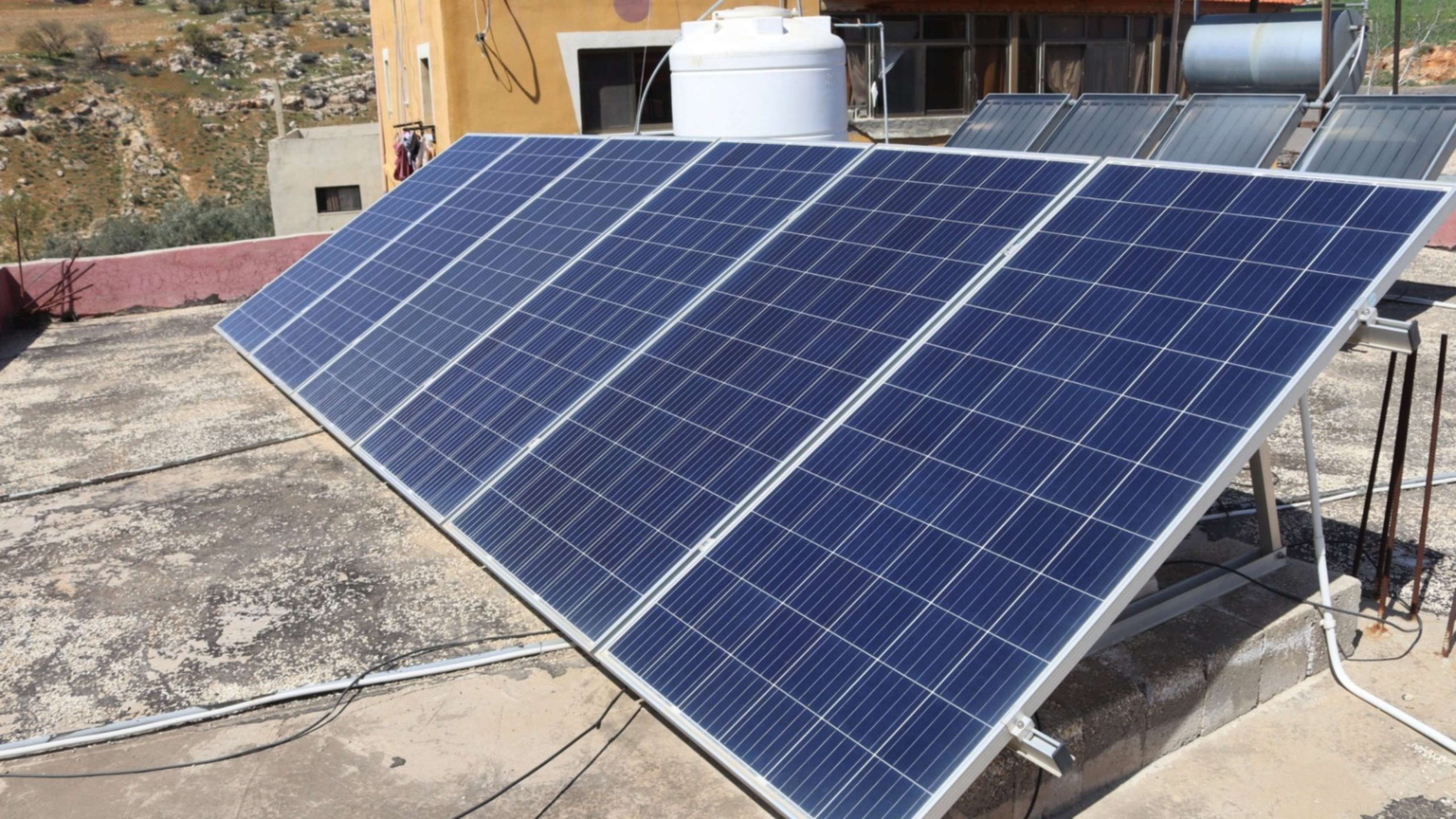
In a move toward cleaner energy solutions, the committee also
approved a standalone solar power system for one low-income household
in a remote area where connection to the national grid is not
practical.
Al-Momani described the program as part of a broader national
strategy to balance rural development, social support, and renewable
energy expansion.
//Petra//WH