
Jordan’s Q2 2026 GDP Expands 3.0%, Outperforming Regional Headwinds, International Forecasts
ENV-KUWAIT-SUSTAINABLITYKuwait strengthens environmental sustainability through strategic initiativesBy Zahra Al-Kadhmi

HLT-KUWAIT-SURGERYKuwait advances health sector with robotic, remote surgeryBy Mohammad Al-Moseb

Saudi Arabia’s Voluntary Carbon Market Fuels the Shift to a Low-Carbon

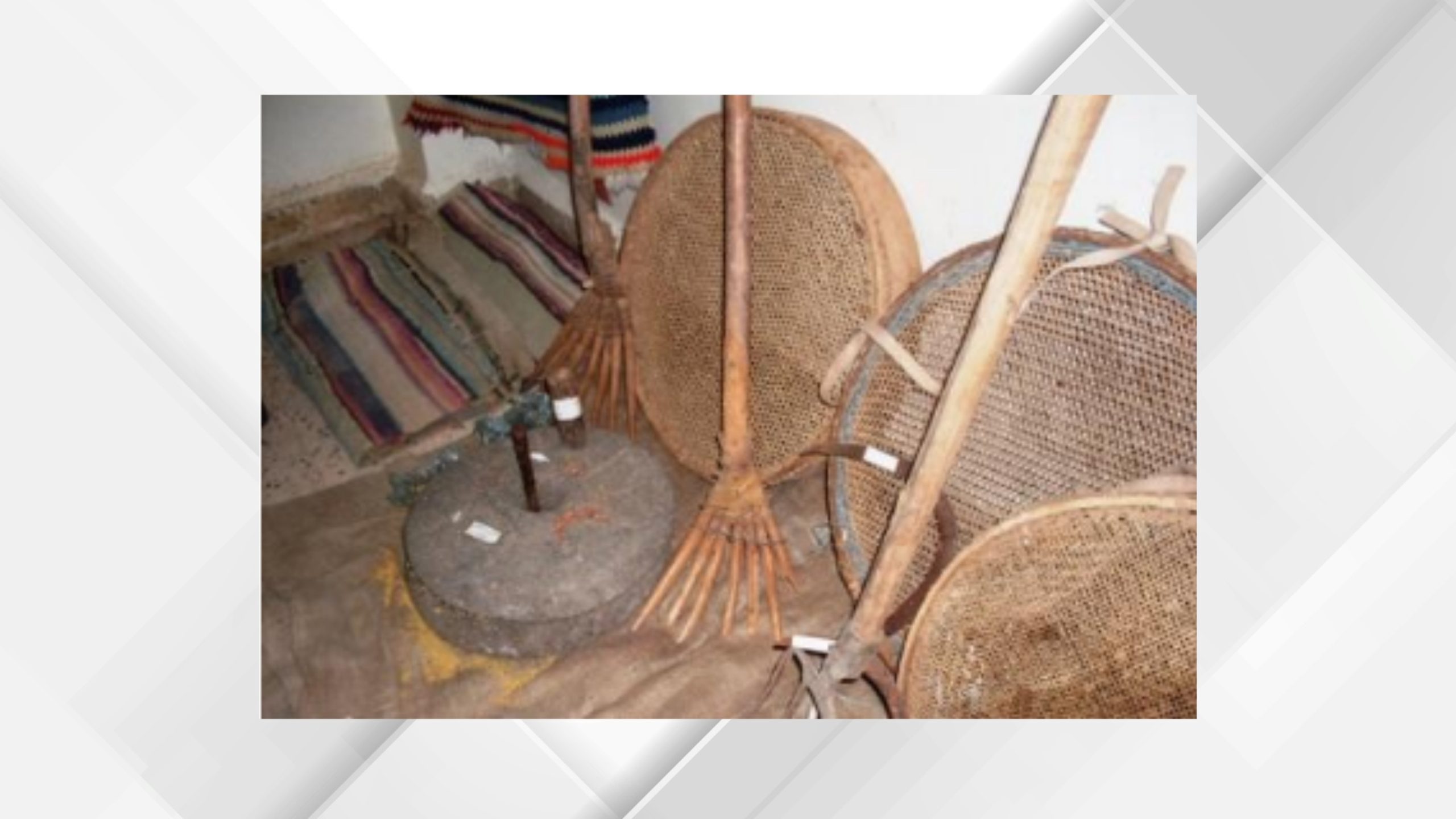
Ajloun, June 15 (Petra) — Traditional farming tools continue to
serve as enduring symbols of Ajloun’s agricultural heritage,
reflecting a long history of hard work, self-reliance and a close
connection to the land that shaped rural life for generations.
Agricultural and heritage specialists say these tools represent an
important chapter in the governorate’s history, documenting farming
practices that sustained local communities before the introduction of
modern machinery and mechanized agriculture.
Director of Agriculture in Ajloun Seitan Al-Sarhan said traditional
farming implements constitute a valuable agricultural and cultural
legacy that reflects the nature of rural life and the evolution of
farming across the governorate.
He noted that Ajloun’s diverse agricultural landscape contributed to
the development of a variety of tools used in plowing, cultivation
and harvesting, adding that preserving this heritage helps reinforce
agricultural identity and strengthen ties between communities and
their land.
President of the Ajloun Farmers Union Muneeb Al-Samadi said
traditional tools such as the wooden plow, threshing board,
pitchfork, shovel, axe and sickle formed the foundation of
agricultural production in earlier decades.
He explained that despite their simplicity, these implements enabled
farming families to meet their needs and maintain agricultural
productivity across different stages of cultivation and harvest.
Al-Samadi stressed the importance of documenting this agricultural
legacy and passing it on to future generations as part of the
governorate’s cultural and farming heritage.
President of the Jordan Environment Association Mohammad Freihat said
traditional farming tools were closely linked to a broader
environmental system based on the sustainable use of locally
available resources.
He noted that revisiting traditional agricultural practices can
contribute to promoting sustainability concepts and provide valuable
lessons for addressing contemporary environmental challenges.
Heritage researcher Mahmoud Al-Shuraideh described the tools as a
repository of collective memory that reflects the daily realities of
rural life in Ajloun.
He explained that many of the implements were crafted locally from
forest wood, basalt stone and simple iron materials, demonstrating
the ingenuity of local craftsmen and their ability to utilize
available resources.
Al-Shuraideh called for preserving and documenting these artifacts
through museums and heritage centers to ensure their protection for
future generations.
Museum owner Bilal Al-Samadi said his collection includes numerous
farming tools once used by local farmers and now displayed to help
visitors understand traditional agricultural practices and the
challenges associated with rural life in earlier decades.
Farmers Rateb Al-Qudah and Arabi Freihat recalled relying on these
tools throughout their farming careers, noting that agricultural work
required significant effort, patience and skill.
While acknowledging the benefits of modern agricultural technologies,
they emphasized the importance of preserving knowledge of traditional
farming methods and introducing younger generations to the
experiences that shaped the agricultural identity of the region.
//Petra// RZ