Jordan’s Q2 2026 GDP Expands 3.0%, Outperforming Regional Headwinds, International Forecasts
ENV-KUWAIT-SUSTAINABLITYKuwait strengthens environmental sustainability through strategic initiativesBy Zahra Al-Kadhmi

HLT-KUWAIT-SURGERYKuwait advances health sector with robotic, remote surgeryBy Mohammad Al-Moseb
Saudi Arabia’s Voluntary Carbon Market Fuels the Shift to a Low-Carbon

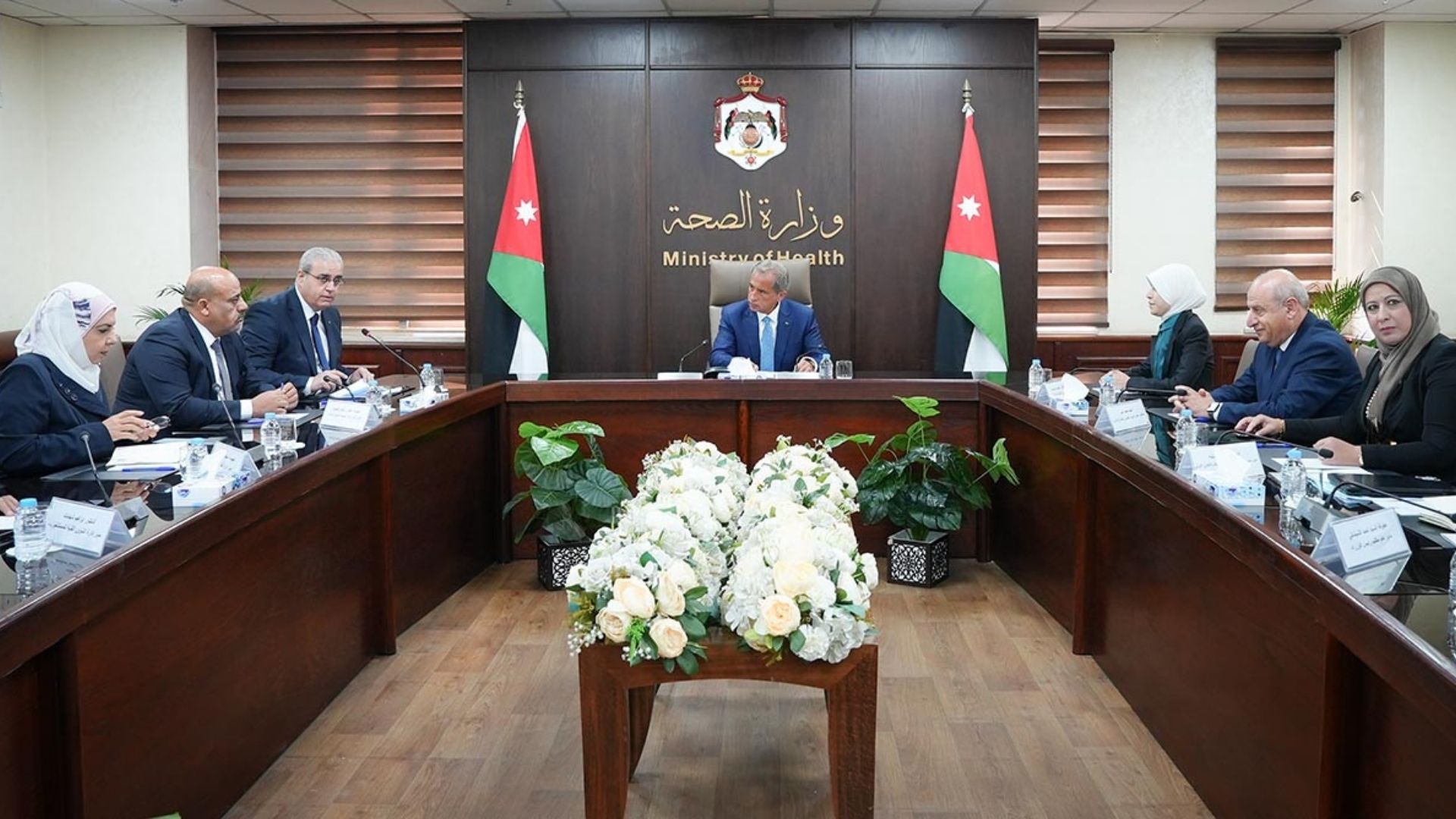
Amman, June 15 (Petra) — Prime Minister Jafar Hassan on Monday
stressed the need to continue improving the quality of healthcare
services provided to citizens and accelerate the completion of
government health projects across the Kingdom within established
timelines.
During a visit to the Ministry of Health, Hassan praised the efforts
of the ministry’s staff, including physicians, healthcare
professionals, technicians and administrative personnel, in advancing
public healthcare services.
At a meeting attended by Minister of Health Ibrahim Bdour and senior
officials, the prime minister underlined the importance of avoiding
delays to vital projects due to minor procedural or technical
obstacles, stressing that healthcare initiatives must be completed on
schedule to better serve citizens.
“We have completed a number of major healthcare projects across the
governorates, including laying the foundation stone for the new
Madaba Hospital, expanding Princess Iman Hospital in Ma’di, laying
the foundation stone for a new building at Prince Faisal Hospital in
Ruseifa, expanding the cardiac surgery department at Zarqa
Governmental Hospital, opening Princess Basma Hospital in Irbid and
establishing cancer treatment centers there,” Hassan said. “The
government will continue its efforts to develop the healthcare
sector.”
The prime minister also toured the Amman Field Hospital, which
recently underwent comprehensive rehabilitation and modernization
with support from the Joint Grant Fund. The facility, located
adjacent to Prince Hamza Hospital, is being reopened after more than
four years and is expected to help accommodate rising patient
volumes, particularly in emergency, intensive care and dialysis
services. The hospital has already begun receiving kidney patients
and is scheduled to become fully operational in the coming days.
The Amman Field Hospital includes 70 emergency department beds, 44
intensive care unit beds and 40 dialysis stations, enhancing
healthcare capacity, reducing waiting times and improving service
delivery.
Hassan directed that field hospitals established during the COVID-19
pandemic be utilized to support the public health sector through
their equipment, infrastructure and operational capabilities. He also
stressed the importance of strengthening pharmaceutical inventory
management and ensuring the availability of medications at hospitals
and health centers across all governorates.
For his part, Bdour said the ministry has implemented a package of
healthcare projects aimed at upgrading infrastructure and
establishing and expanding hospitals and health centers in various
regions of the Kingdom, enhancing the public health sector’s capacity
to meet growing demand.
He outlined the ministry’s current initiatives and future plans,
which focus on improving healthcare quality, accelerating digital
transformation and strengthening the readiness of the public health
system to address current and future challenges.
Bdour said the adoption of a unified national cancer treatment
protocol, a standardized protocol for treating acute myocardial
infarction through catheterization, and the reorganization of
outpatient appointment systems in major hospitals represent key steps
toward standardizing treatment procedures and improving service
efficiency.
He added that extending operating hours and activating evening shifts
at several comprehensive health centers has helped ease pressure on
emergency departments and improve access to healthcare services.
The minister noted that 577 beds have been added to Ministry of
Health hospitals over the past two years, increasing total hospital
bed capacity in the Kingdom by nearly 10 percent.
He also said 14 new health centers have been established, 49 existing
centers rehabilitated and 153 facilities computerized, representing
more than 30 percent of all healthcare facilities.
In addition, Bdour said the ministry established 13 new medical
warehouses, accounting for nearly 40 percent of the total number of
storage facilities, and automated 77 services out of 147 services
targeted for automation over the next two years.
//Petra// AJ