Jordan’s Q2 2026 GDP Expands 3.0%, Outperforming Regional Headwinds, International Forecasts
ENV-KUWAIT-SUSTAINABLITYKuwait strengthens environmental sustainability through strategic initiativesBy Zahra Al-Kadhmi

HLT-KUWAIT-SURGERYKuwait advances health sector with robotic, remote surgeryBy Mohammad Al-Moseb

Saudi Arabia’s Voluntary Carbon Market Fuels the Shift to a Low-Carbon

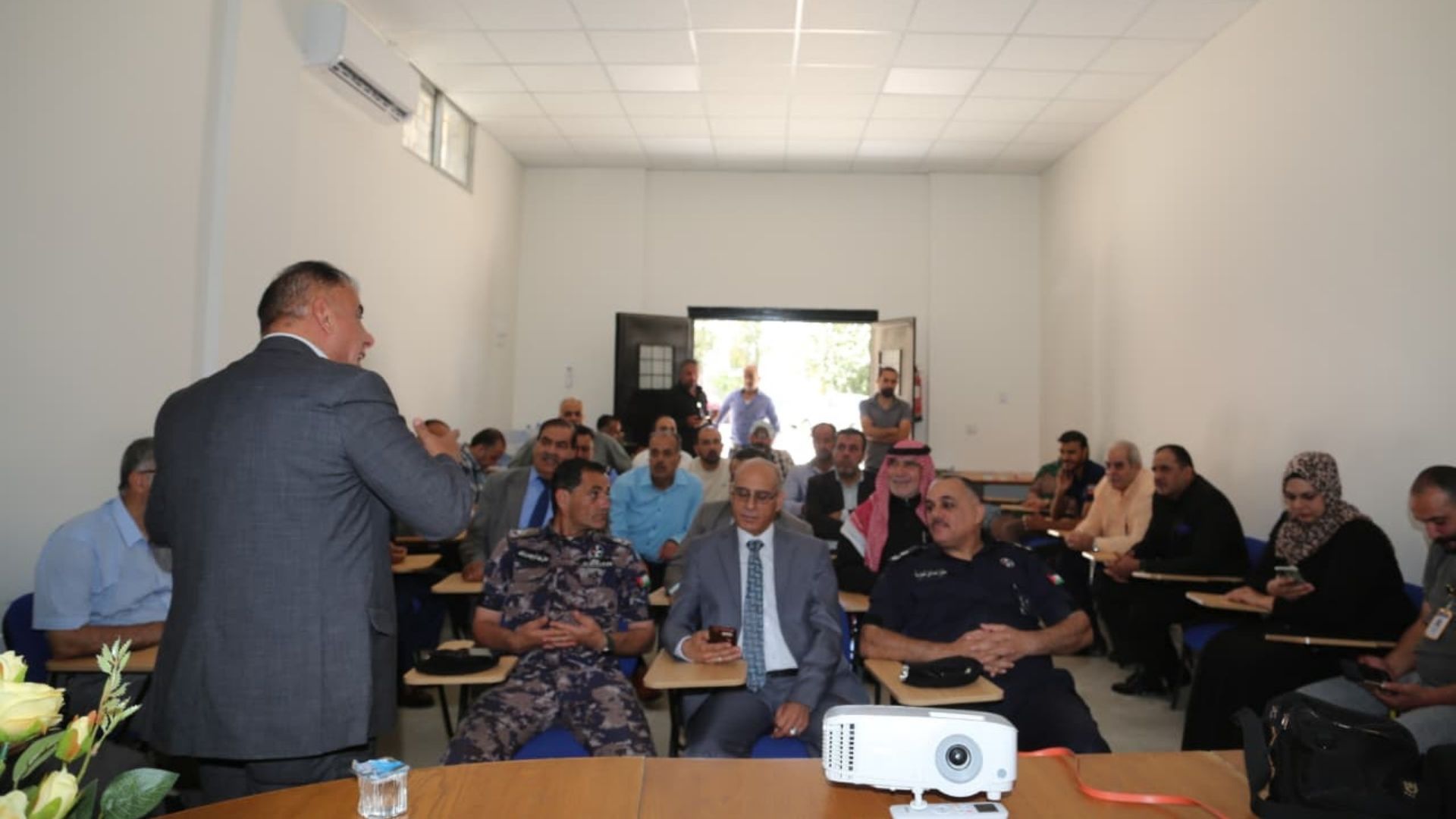
Irbid, June 18 (Petra) — The Agriculture Directorate of Koura
District held a consultative meeting on Thursday to discuss the
second phase of the Green Jobs Project, part of the National
Afforestation Program implemented by the Ministry of Agriculture and
funded by the German development bank (KfW), aimed at expanding
afforestation efforts, creating employment opportunities, and
supporting sustainable local development.
The meeting was attended by Koura District Governor, representatives
of the International Labour Organization (ILO), and partners from
government agencies and local community institutions.
Director of Agriculture in Koura Salem Khasawneh said the project
serves as a development model that combines environmental protection,
job creation, and support for the local economy within a national
vision based on sustainability and community partnership.
Khasawneh told the Jordan News Agency (Petra) that the second phase
will include afforestation and environmental rehabilitation works at
several sites across the district, with a focus on planting carob
trees due to their environmental and economic value, adaptability to
local climatic conditions, and role in enhancing biodiversity and
protecting natural resources.
He noted that the directorate has prioritized consultation and
coordination with stakeholders since the project’s inception, while
ensuring active community engagement throughout all implementation
stages. He said residents play a vital role in identifying
development priorities and contributing to the success and
sustainability of such initiatives.
Khasawneh noted that the Green Jobs Project will provide more than
200 employment opportunities for residents as unskilled laborers,
describing it as an important step toward advancing sustainable
development and generating positive impacts across the district.
During the meeting, ILO representatives presented an overview of the
project’s objectives, implementation phases, operational mechanisms,
and recruitment criteria, while outlining the roles of partners and
the importance of community participation in ensuring the
sustainability of project outcomes.
Participants stressed the project’s significance in creating jobs,
improving environmental conditions, and supporting local development,
while praising the Agriculture Directorate’s participatory approach
based on transparency and equal opportunities.
The meeting also provided an opportunity for local community
representatives to present observations and suggestions and receive
clarifications regarding the project, helping strengthen trust
between the community and implementing institutions and reinforcing
the principles of partnership in development initiatives.
//Petra// NQ