Jordan’s Q2 2026 GDP Expands 3.0%, Outperforming Regional Headwinds, International Forecasts
ENV-KUWAIT-SUSTAINABLITYKuwait strengthens environmental sustainability through strategic initiativesBy Zahra Al-Kadhmi
HLT-KUWAIT-SURGERYKuwait advances health sector with robotic, remote surgeryBy Mohammad Al-Moseb
Saudi Arabia’s Voluntary Carbon Market Fuels the Shift to a Low-Carbon
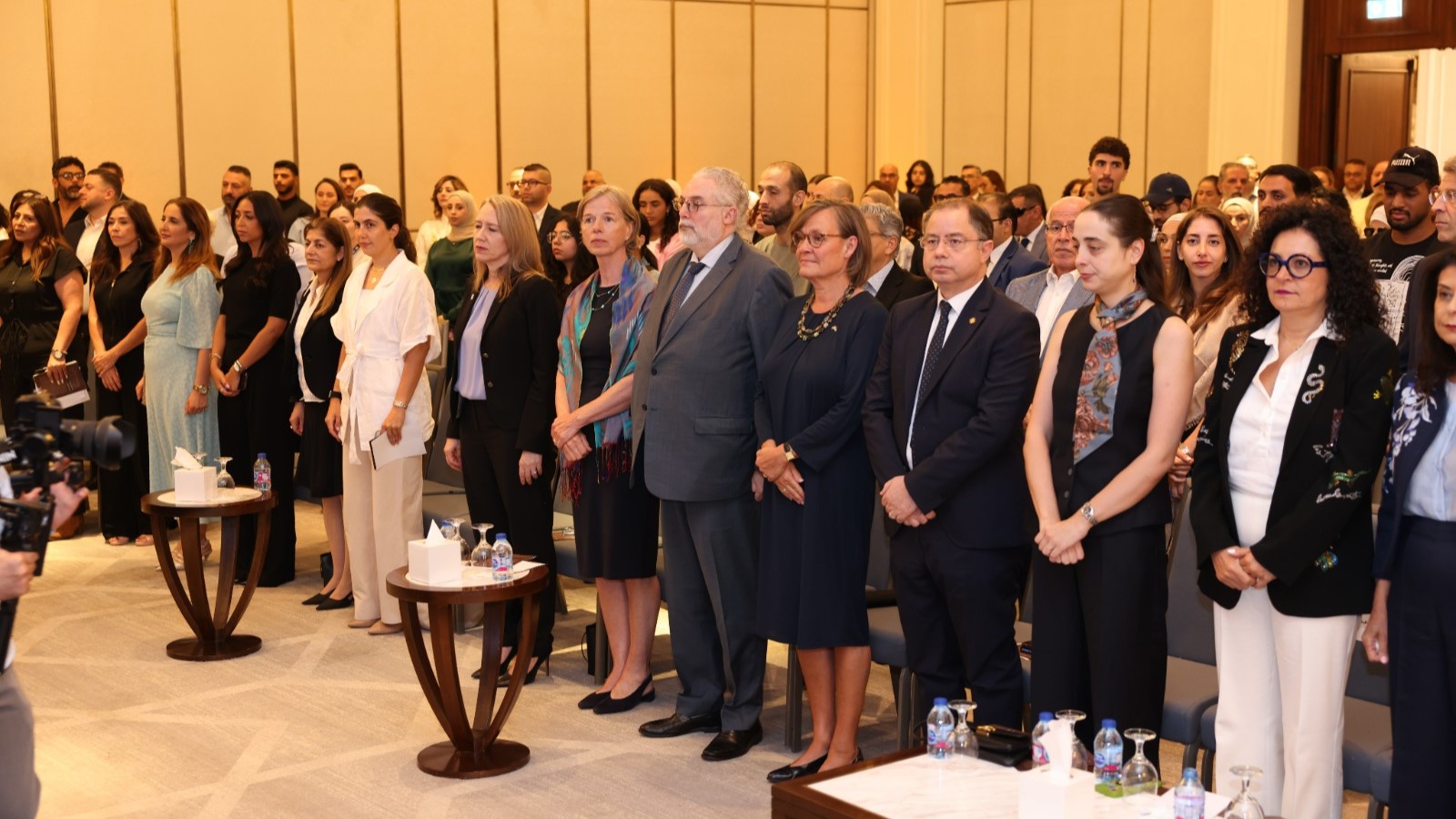
Amman, June 21 (Petra) – Under the patronage of Prince Mired bin
Raad, Chief Chamberlain and President of the Higher Council for the
Rights of Persons with Disabilities (HCD), the council launched the
Inclusive Art and Music Therapy Program on Sunday.
The ceremony was attended by several ambassadors, representatives of
international donor agencies, advocates for persons with
disabilities, national partner institutions, and cultural and
rehabilitation experts.
The initiative is part of a national strategy to secure the right of
persons with disabilities to participate fully in cultural and
artistic life and to develop innovative rehabilitation services. The
program is supported by the Abdul Hameed Shoman Foundation through
strategic partnerships connecting HCD with the King Hussein
Foundation’s National Music Conservatory and the Haya Cultural
Center.
The program functions as an integrated national platform that
combines art as a tool for expression and social inclusion with music
therapy as a modern rehabilitation practice. Following international
best practices, the initiative aims to enhance communication, motor
skills, and sensory regulation for persons with disabilities.
Hana Shahin, Executive Director of the King Hussein Foundation, said
music therapy is an internationally accredited clinical discipline
that uses rhythm, melody, sound, and movement within structured
professional interventions led by qualified specialists to achieve
specific therapeutic and rehabilitative goals. She added that this
form of therapy has proven highly effective in improving cognitive
capacities and emotional regulation.
Valentina Kassisieh, CEO of the Abdul Hameed Shoman Foundation, said
the initiative bridges cultural development with human rights and
rehabilitation, creating new avenues for persons with disabilities to
express themselves, develop skills, and actively participate in
public life. She noted that true inclusion requires collaborative
efforts across cultural, educational, and rehabilitative institutions
to build an equitable society.
Reem Al-Adwan, Director General of the Haya Cultural Center, said the
partnership with HCD has strengthened inclusive practices within
cultural programming by training personnel, modifying artistic
spaces, and adapting content to ensure accessibility. She added that
the center is working with HCD to draft a national framework for
inclusive art policies and comprehensive protection strategies in
Jordan, alongside providing 30 inclusive artistic grants in music,
arts, and drama for children and young adults.
Muhannad Al-Azzeh, Secretary General of HCD, said the initiative
marks a significant step toward embedding creative therapies into
Jordan’s formal rehabilitation framework and building the capacity of
national professionals using evidence-based scientific methods.
Al-Azzeh added that the program extends beyond standard cultural
activities by establishing music therapy as a tool to improve the
quality of counseling, psychological support, and specialized care
through advanced and innovative creative methodologies.
The program’s upcoming agenda will feature inclusive musical
performances bringing together artists with and without disabilities,
art exhibitions showcasing the work of talent from the disabled
community, and the production of documentary materials to highlight
success stories and raise public awareness.
//Petra// AF