Jordan’s Q2 2026 GDP Expands 3.0%, Outperforming Regional Headwinds, International Forecasts
ENV-KUWAIT-SUSTAINABLITYKuwait strengthens environmental sustainability through strategic initiativesBy Zahra Al-Kadhmi

HLT-KUWAIT-SURGERYKuwait advances health sector with robotic, remote surgeryBy Mohammad Al-Moseb

Saudi Arabia’s Voluntary Carbon Market Fuels the Shift to a Low-Carbon

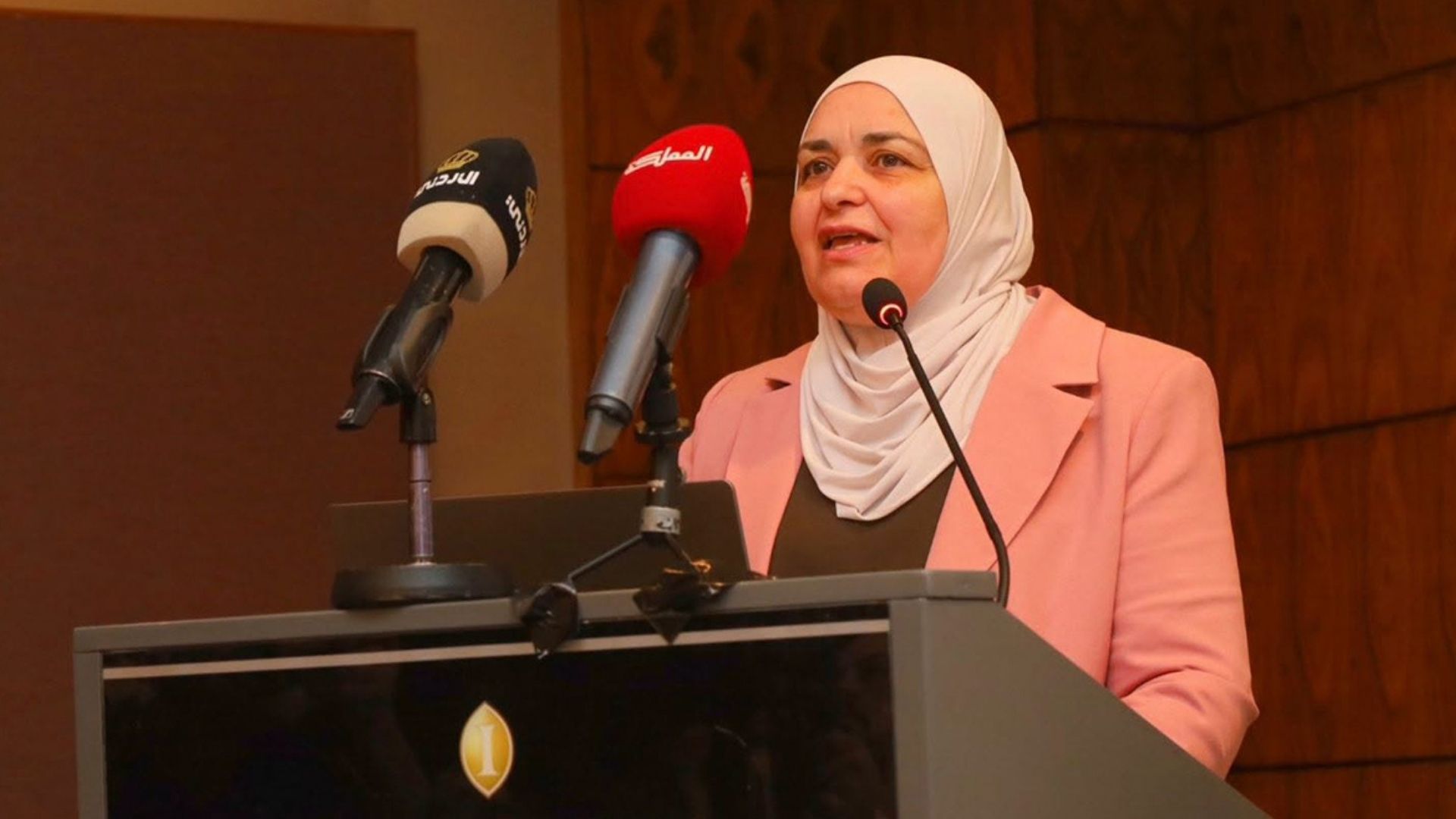
Amman, June 22 (Petra) — Secretary-General of the Ministry of Energy
and Mineral Resources Amani Azzam said Monday that electrical energy
storage systems have become a key enabler of the next phase of
Jordan’s energy sector development, given their role in enhancing
grid flexibility and reliability and maximizing the utilization of
renewable energy sources.
Speaking at a workshop on “Hybrid Inverters and Battery Energy
Storage Systems,” organized by the Edama Association for Energy,
Water and Environment in cooperation with Solis Depot, an authorized
partner of Huawei, Azzam said Jordan has achieved a significant
transformation in its energy sector over the past decade through
diversifying energy sources, strengthening energy security, and
establishing a leading renewable energy experience.
Azzam said the next phase will focus on building a more flexible and
efficient electricity system capable of integrating higher shares of
renewable energy, noting that the success of the energy transition is
measured not only by installed generation capacity but also by the
Kingdom’s ability to efficiently manage energy resources and maximize
their economic value.
She added that Jordan has introduced major legislative and regulatory
reforms to develop the electricity sector, including incorporating
electricity storage into the legal framework for the first time and
establishing the concept of independent electricity networks
dedicated to supporting strategic projects.
Azzam noted that the Energy Sector Strategy 2025-2035 aims to raise
the share of renewable energy in electricity generation to 40 percent
under a business-as-usual scenario and 55 percent under an optimistic
scenario. The strategy also targets the implementation of
high-quality energy storage projects with a combined capacity of up
to 400 megawatts before 2030.
She stressed the importance of developing policies, regulatory
frameworks, and financing mechanisms that support the optimal
deployment of energy storage technologies and contribute to building
a more resilient electricity system capable of meeting future demand.
For his part, Director of the Energy Transition Directorate at the
Ministry of Energy and Mineral Resources Yaqoub Marar said the
ministry is working to enhance the resilience and efficiency of the
national electricity grid to address fluctuations in solar and wind
power generation.
Marar said efforts include expanding energy storage systems through a
planned 100-megawatt battery storage project with a four-hour storage
capacity, in addition to a strategic 450-megawatt pumped-storage
hydropower project.
He added that the ministry is also completing the rollout of smart
electricity meters in preparation for implementing time-of-use
tariffs, a move expected to improve load management. The ministry is
continuing to update legislative and regulatory frameworks to
facilitate the adoption of advanced technologies and their efficient
integration into the national grid.
The workshop explored opportunities to support the deployment of
energy storage systems and hybrid inverters in Jordan and the wider
region, while reviewing the technical, regulatory, and economic
dimensions of these technologies. Participants highlighted their role
in advancing the national energy transition and supporting a more
sustainable and efficient energy system.
//Petra// AJ