
Jordan’s Q2 2026 GDP Expands 3.0%, Outperforming Regional Headwinds, International Forecasts
ENV-KUWAIT-SUSTAINABLITYKuwait strengthens environmental sustainability through strategic initiativesBy Zahra Al-Kadhmi

HLT-KUWAIT-SURGERYKuwait advances health sector with robotic, remote surgeryBy Mohammad Al-Moseb

Saudi Arabia’s Voluntary Carbon Market Fuels the Shift to a Low-Carbon

Ajloun, June 24 (Petra) — Ajloun’s rich natural environment
continues to support a remarkable diversity of medicinal and aromatic
plants, reinforcing the governorate’s status as one of Jordan’s
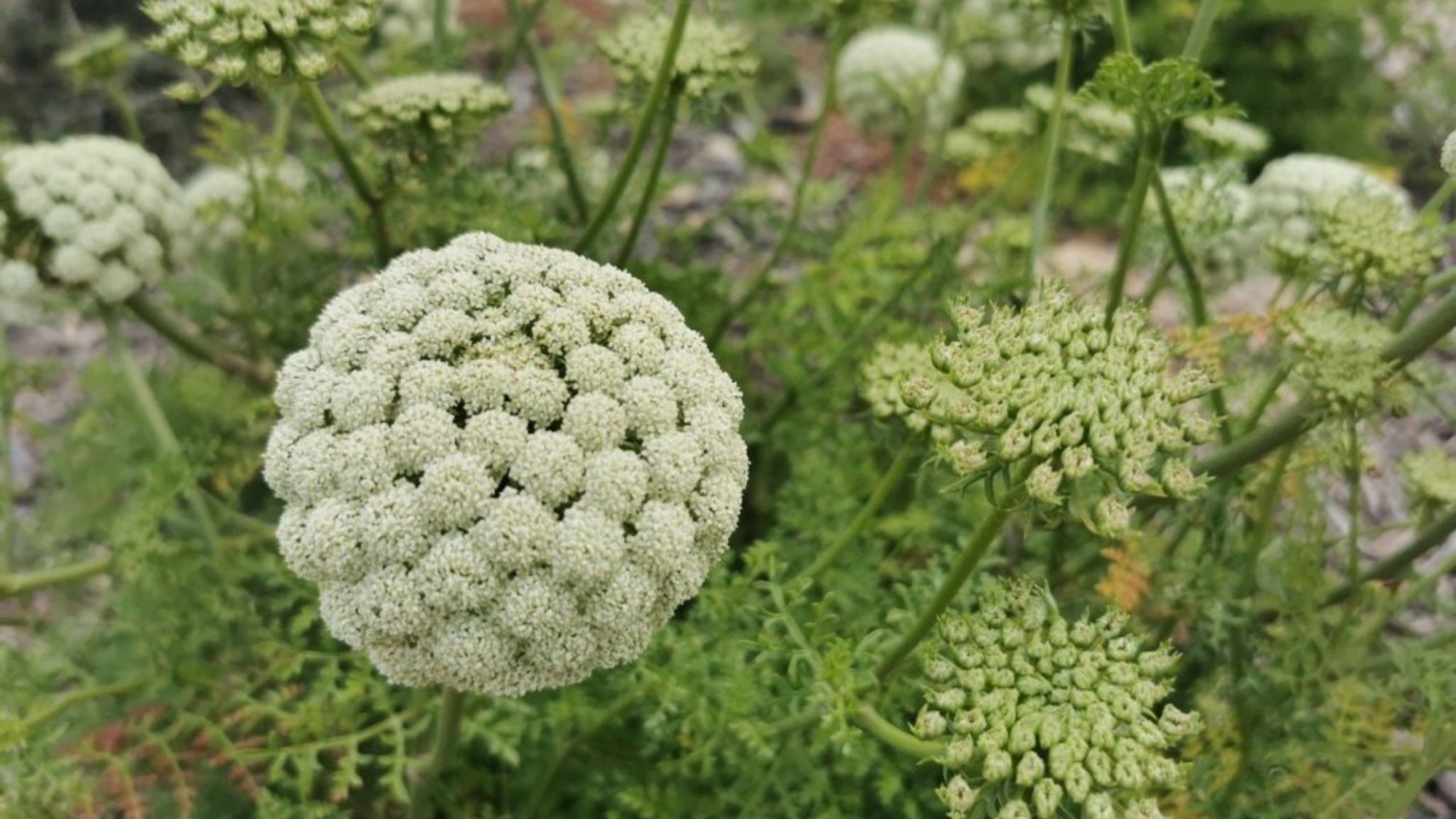
leading centers of biodiversity. Among these species is khella (Ammi
visnaga), commonly known as toothpick weed, a plant renowned for its
medicinal properties and longstanding presence in local heritage.
Director of Agriculture in Ajloun, Sitan Sarhan, said the
governorate’s varied terrain, fertile ecosystems and moderate climate
have created ideal conditions for the growth of numerous medicinal
and aromatic plants that have long been associated with traditional
healing practices.
He noted that toothpick weed grows extensively in Ajloun’s forests,
valleys and agricultural lands, highlighting the importance of
preserving natural vegetation and protecting wild plant species from
overgrazing and indiscriminate harvesting to ensure their
sustainability for future generations.
Researcher in Ajloun’s cultural heritage, Abdullah Qudah, said
toothpick weed has occupied a special place in the collective memory
of local communities for decades, with knowledge of its benefits
passed down through generations as part of a broader tradition of
utilizing wild plants in daily life.
He added that familiarity with medicinal plants and their uses once
formed an integral part of community culture across Ajloun’s villages
and towns, reflecting the close relationship between residents and
their natural surroundings.
Meanwhile, Muath Qudah said the fruit of toothpick weed contains
khellin, a naturally occurring compound used in the production of
certain pharmaceutical treatments, underscoring the plant’s
longstanding medicinal significance.
He explained that decoctions made from the fruit of toothpick weed
have traditionally been used to help relieve kidney colic by relaxing
ureter muscles and facilitating the passage of small kidney stones,
in addition to their diuretic properties. He noted that medical
studies have also explored the plant’s potential applications in
treating certain heart-related conditions and whooping cough.
Qudah stressed, however, the importance of using medicinal plants
under medical supervision and not as substitutes for prescribed
treatments.
Ashraf Momani, owner of a spice shop in Ajloun, said demand for
toothpick weed remains steady, driven by public awareness of its
traditional uses and inherited reputation as a natural remedy.
Muhannad Samadi, a member of the Environment Unites Us initiative,
said medicinal and aromatic plants represent a vital component of
Ajloun’s environmental wealth and biodiversity, calling for greater
public awareness and community participation in efforts to conserve
these valuable natural resources.
The continued presence of toothpick weed across Ajloun’s landscapes
highlights the governorate’s unique ecological character and reflects
the enduring connection between biodiversity, traditional knowledge
and the sustainable use of natural resources.
//Petra// AJ