Saudi Arabia’s Voluntary Carbon Market Fuels the Shift to a Low-Carbon

Under UAE President’s directives, UAE launches urgent relief response for Ghana flood victims

Combating Desertification and Drought: Qatar a Model in Preserving Natural Resources, Establishing Environmental Stability

UAE allocates US$30 million for emergency humanitarian response in El Obeid, calls for civilian protection, safe humanitarian aid access in Sudan

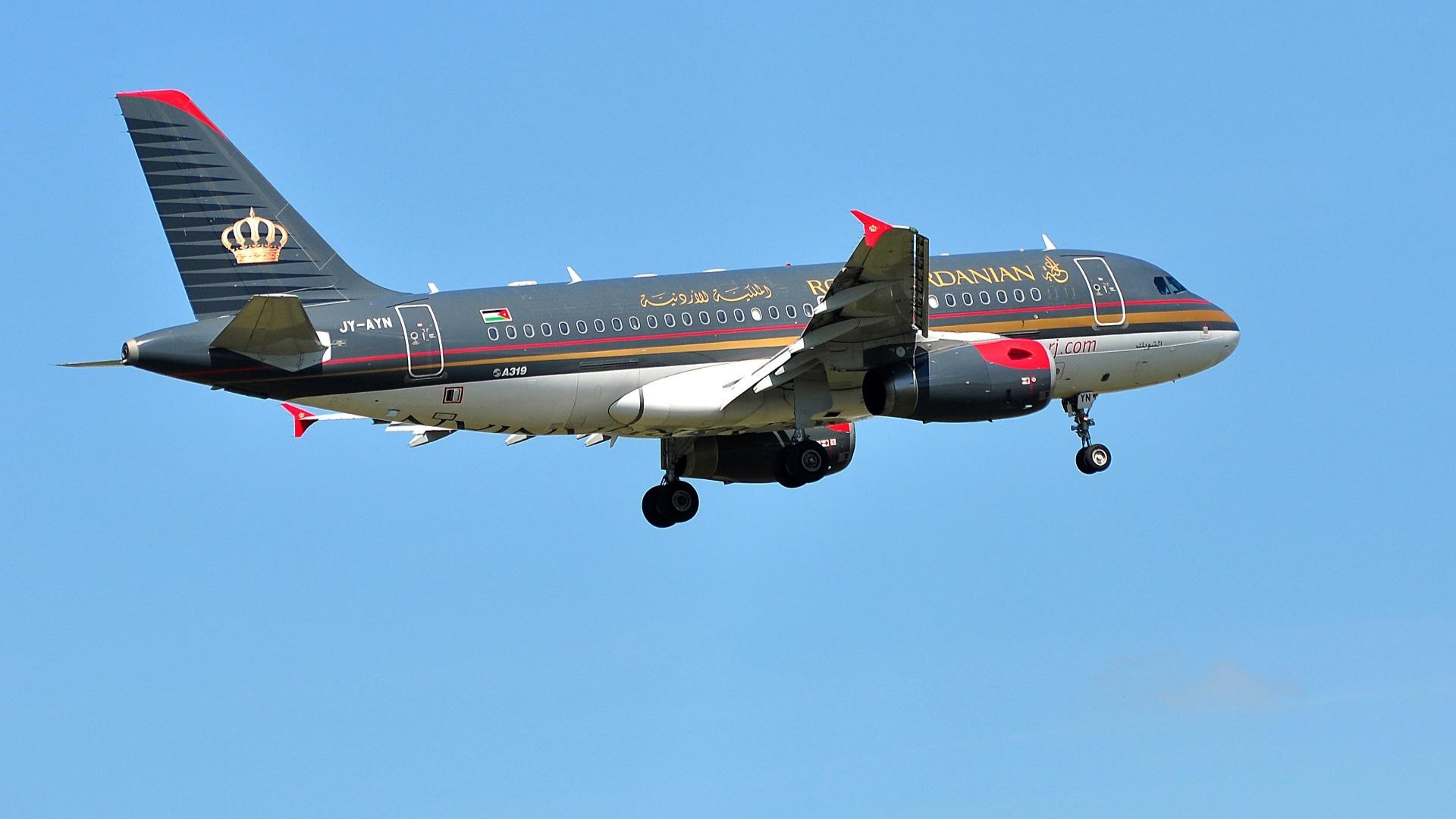
Amman, July 30 (Petra) — The Royal Jordanian Airlines (RJ)recorded
an improvement in its operational performance indicators during the
first half of 2026, while continuing to implement its strategy
focused on fleet renewal, expanding its air network, improving
services and enhancing flight schedule performance.
The company’s Board of Directors, chaired by Saeed Darwazah, approved
the financial results for the first half of 2026 after they were
reviewed by the company’s accredited external auditor.
The RJ reported a net profit of JD 1.4 million during the first half
of 2026, compared with a net profit of JD 12.7 million during the
same period in 2025. The company’s revenues increased by JD 86
million, or 23%, compared with the same period last year, driven by
higher operational activity and the expansion of its destinations
network.
Operating costs, meanwhile, increased by JD 69.5 million due to the
growth in operations and higher fuel prices. Fuel costs accounted for
nearly half of the increase in operating expenses, rising by JD 33
million, or 37%, affected by global fuel price increases. Financing
costs increased by JD 18 million, mainly due to higher interest
expenses related to aircraft lease obligations, while the company’s
share of profits from an affiliated company decreased by JD 6
million.
During the first half of the year, Royal Jordanian transported around
1.984 million passengers, recording a 5% increase compared with the
same period in 2025. The seat load factor reached 71.8%, down by 8.6
percentage points.
The company operated 19,066 flights with a total of 60,443 flight
hours, marking growth of 14% in the number of flights and 19% in
flight hours compared with the same period last year. Cargo volumes
increased by 36% to reach 21,460 tonnes.
RJ Deputy Chairman and Chief Executive Officer Samer Al Majali valued
the government’s decision to continue covering part of the increase
in fuel prices, similar to support provided to other sectors in the
Kingdom. He said the measure helped reduce the impact of global fuel
price increases on the national carrier and contributed to
maintaining positive financial and operational results despite
regional conditions.
Al Majali said the company’s financial and operational performance
remains below the levels targeted in the 2026 budget due to
exceptional geopolitical developments in the region and their direct
and indirect effects on the aviation sector.
He explained that regional developments, including the military
escalation between the United States and Iran and the repeated
closure of airspace, affected the company’s results through lower
demand for travel to Jordan, reduced tourism activity and increased
reliance on transit passengers.
Revenues from supporting services, including ground handling, air
cargo operations, and technical and maintenance services, were also
affected by the decline in operations of several regional and
international airlines to Jordan.
Al Majali said the company also faced the impact of higher global
fuel prices and made operational adjustments, including temporarily
suspending some flights, modifying schedules and rerouting some
flights through alternative routes due to airspace closures in
certain countries. These measures resulted in longer flight times,
increased fuel consumption and higher operating costs, in addition to
additional insurance fees.
He noted that Royal Jordanian was able to continue its operations
during these circumstances due to the efforts of the Jordan Armed
Forces, the Civil Aviation Regulatory Commission and relevant
authorities in maintaining the safety and continuity of Jordanian
airspace. This enabled the airline to continue connecting Jordan with
international destinations while several airlines suspended
operations to Jordan and the region.
Al Majali said the company continued implementing its expansion plans
during the first half of 2026 by adding new destinations to its
network, including Misrata, Munich, Hamburg, Sharjah, Alexandria,
Dallas, Vienna and Tashkent in Uzbekistan. He said the expansion aims
to strengthen air connectivity between Jordan and regional and
international markets, provide additional travel options, and support
tourism and trade activity.
Regarding fleet modernization, Al Majali said RJ received seven new
aircraft during the period, including two Boeing 787-9 aircraft for
long-haul routes, four Airbus A320neo aircraft for medium-haul
routes, and one Embraer aircraft for short-haul routes. He added that
the company received 19 new aircraft over the past 12 months,
contributing to the renewal of its fleet.
He also highlighted Royal Jordanian’s continued national role
alongside its economic and commercial activities, including
supporting national initiatives such as the Jordanian football team’s
international participation.
The airline also operated a relief flight to Venezuela, transporting
the Jordanian International Search and Rescue Team affiliated with
the Public Security Directorate/Civil Defence, along with equipment
and relief supplies, following the earthquake that struck Venezuela
and in response to royal directives.
RJ continued coordinating with official authorities to assist in
transporting Jordanian citizens and stranded passengers from crisis
areas around the world.
Al Majali said air cargo is an important part of supporting the
national economy, noting that developing cargo operations helps
facilitate the movement of goods, strengthen supply chains and
support national exports. He added that the company is investing JD
30 million in expanding and modernizing the air cargo building at
Queen Alia International Airport.
He affirmed that the RJ continues to monitor regional developments
and implement the necessary operational measures to maintain business
continuity, financial and operational stability, and achieve the
company’s strategic objectives.
//Petra//WH