Saudi Arabia’s Voluntary Carbon Market Fuels the Shift to a Low-Carbon

Under UAE President’s directives, UAE launches urgent relief response for Ghana flood victims

Combating Desertification and Drought: Qatar a Model in Preserving Natural Resources, Establishing Environmental Stability
UAE allocates US$30 million for emergency humanitarian response in El Obeid, calls for civilian protection, safe humanitarian aid access in Sudan

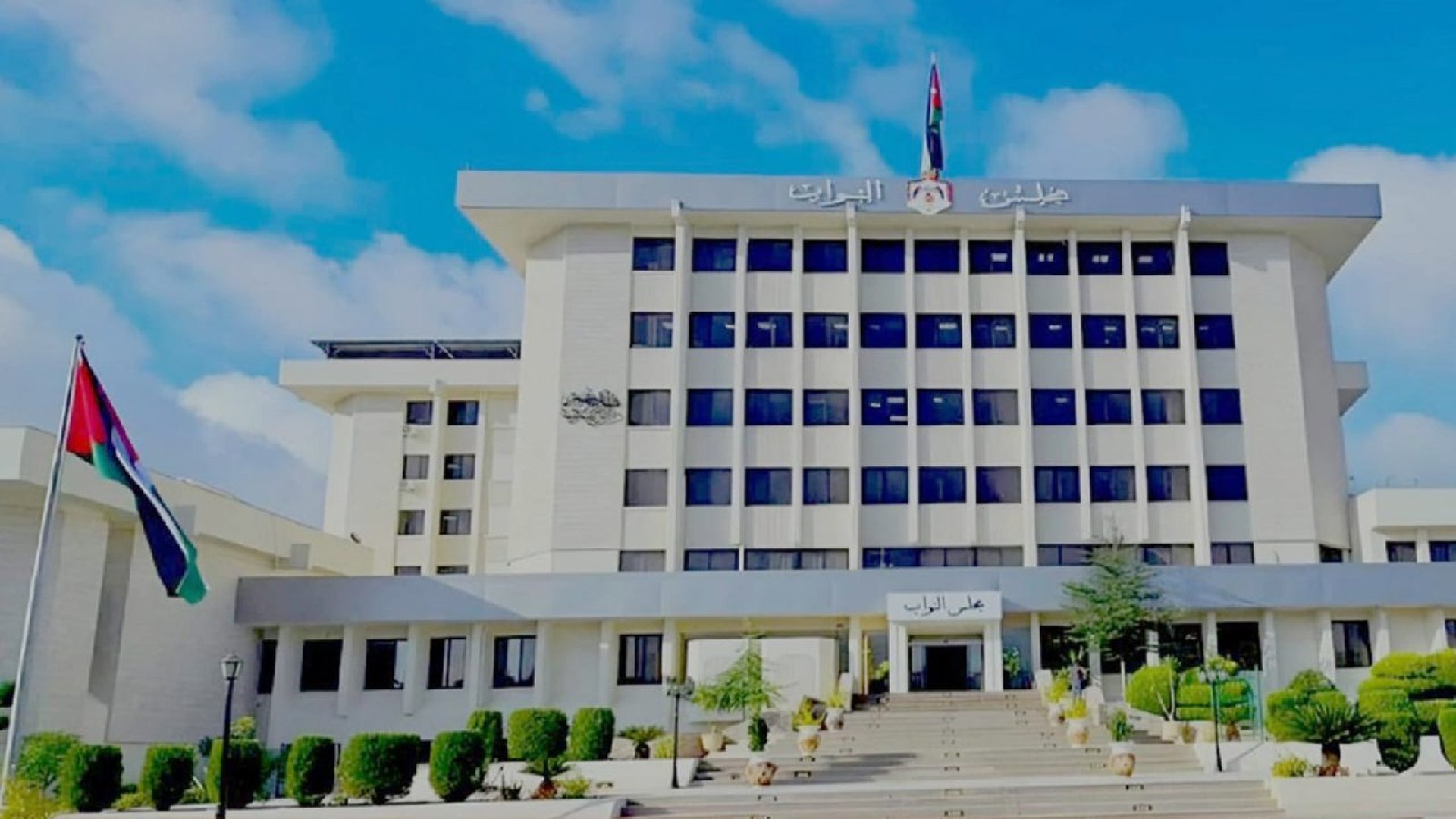
Amman, Aug. 11 (Petra) — The Lower House of Parliament on Tuesday
approved, by majority vote, the 2026 Accreditation and Quality
Assurance Commission Law, as submitted by the government, with
several amendments aimed at strengthening oversight, transparency and
the quality of education and training.
During a session chaired by Speaker Mazen Qadi and attended by
members of the government, lawmakers approved Articles 7 through 22,
having endorsed Articles 1 through 6 last Sunday.
Under an approved provision, the chairperson and members of the
Accreditation and Quality Assurance Commission will serve four-year
terms, renewable only once. The House rejected a Parliamentary
Education Committee proposal to remove the “only once” restriction.
The House also approved a new provision requiring the Commission to
prepare and publish, every two years, a report on the state of
education and training in the Kingdom, subject to approval by the
Commission’s council.
Another provision bars the Commission’s chairperson and members, as
well as their spouses and first-degree relatives, from owning or
holding shares in Jordanian or foreign educational, vocational,
technical training or higher education institutions operating in the
Kingdom.
The law establishes a unified national framework for accreditation
and quality assurance across the education and training sector,
covering public and private schools and kindergartens, higher
education institutions, and vocational and technical education and
training institutions.
The law also expands the Commission’s mandate to recognize
non-Jordanian educational institutions, including schools and
universities, equate certificates and qualifications issued by them,
and certify educational documents and qualifications inside and
outside the Kingdom.
The legislation seeks to standardize accreditation and quality
assurance procedures, integrate related policies, strengthen
monitoring and evaluation, and improve the performance of education
and training institutions in line with national and international
standards.
The government approved the law’s justifications on Jan. 25. The
legislation complements the draft law regulating professional work,
which governs the licensing of vocational training providers,
licensing graduates to practice their professions and accrediting
trainers. The new law focuses on accreditation, quality assurance and
monitoring the alignment of education and training programs with
labor market needs.
The legislation is intended to support the Economic Modernization
Vision and the public sector modernization roadmap by enhancing the
quality of education, improving learning outcomes and strengthening
the competitiveness of Jordanian graduates locally, regionally and
internationally.
The law is also expected to contribute to improving the standing of
Jordanian universities in international rankings, strengthening
pathways between different forms of education and training, and
enhancing the credibility and international recognition of Jordanian
qualifications.
//Petra// AJ