Jordan’s Q2 2026 GDP Expands 3.0%, Outperforming Regional Headwinds, International Forecasts
ENV-KUWAIT-SUSTAINABLITYKuwait strengthens environmental sustainability through strategic initiativesBy Zahra Al-Kadhmi
HLT-KUWAIT-SURGERYKuwait advances health sector with robotic, remote surgeryBy Mohammad Al-Moseb

Saudi Arabia’s Voluntary Carbon Market Fuels the Shift to a Low-Carbon

AMMAN, Sept. 22 (Petra) – A sudden midnight medical emergency inside
a family home is a terrifying prospect for any parent. For a deaf
mother or father, however, the crisis carries an added, invisible
barrier: the agonizing race against time to call for help, explain
precise symptoms, and understand urgent instructions when
conventional communication channels fail.
In such critical moments, the breakdown rarely stems from sign
language itself, but from an environment unprepared to listen. True
accessibility means that emergency response networks, public
institutions, and civic spaces are structured to receive, process,
and act upon information from deaf citizens with the same speed and
accuracy afforded to anyone else.
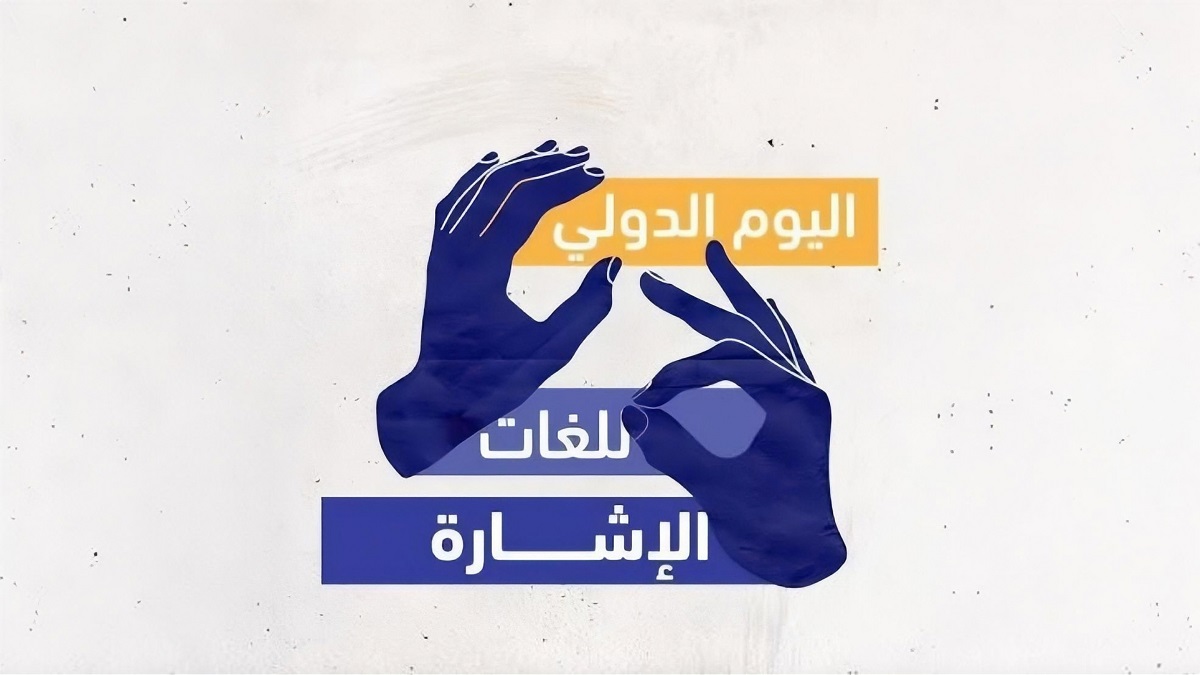
Marking the International Day of Sign Languages on September 23, the
Jordan News Agency (Petra) explores how institutional innovation is
transforming emergency access in the Kingdom, alongside the broader
societal push to treat sign language not as a courtesy, but as an
inherent right.
Recognizing that standard voice calls exclude the deaf community, the
Public Security Directorate (PSD) operates a specialized,
round-the-clock emergency dispatch service linked directly to the
main 911 operations room.
The system functions through the dedicated “114 Deaf JO” mobile
application, which routes video calls to operations officers fluent
in sign language. When a call is placed, trained personnel assess the
emergency–logging the caller’s precise coordinates, the nature of the
crisis, and whether active injuries or hazards exist – while
dispatching the appropriate field units.
Crucially, the protocol bridges the critical window before paramedics
arrive. Operations officers can guide callers through emergency first
aid via live video sign language, maintaining continuous oversight
through the OnCall management system until responders reach the
scene. While requests span humanitarian aid and traffic accidents,
the platform has also become a vital lifeline for reporting
cybercrimes and securing specialized police intervention.
While technological interventions mark a major leap forward,
international advocates argue that systemic integration must go much
deeper. In a statement observing this year’s global theme – “The
Human Rights of Deaf People” – the international advocacy network
“Communication Without Borders” stressed that legal recognition of
sign language is merely a starting point.
Full civic inclusion requires unobstructed access to national sign
languages across education, employment, and public services.
Advocates emphasize that sign languages are complete, sophisticated
linguistic systems rather than auxiliary gestures. Guaranteeing early
childhood exposure to sign language and inclusive education is
essential to cognitive development, while adhering to the core
principle of disability advocacy: “nothing about us without us.”
For Rawan Abu Khuffash, the first hearing-impaired graduate of the
Faculty of Sharia, accessible communication is synonymous with
personal dignity and autonomy.
“When public and private institutions fail to provide accessible
communication channels, they strip deaf citizens of their
independence,” Abu Khuffash said. Navigating legal, medical, or
administrative transactions without an interpreter often forces
individuals to rely on intermediaries, compromising personal privacy
and increasing the risk of miscommunication.
As institutions prepare to mark the international day, Abu Khuffash
urged a cultural and professional shift across Jordan’s labor market
– one that invests in staff training, digital accommodations, and
barrier-free environments.
Ultimately, the national dialogue surrounding the deaf community
converges on a singular truth: accessibility and communication are
not optional amenities or charitable concessions. They are
foundational pillars of a truly inclusive society where every citizen
can navigate life on equal terms.
//Petra// AA