Jordan’s Q2 2026 GDP Expands 3.0%, Outperforming Regional Headwinds, International Forecasts
ENV-KUWAIT-SUSTAINABLITYKuwait strengthens environmental sustainability through strategic initiativesBy Zahra Al-Kadhmi

HLT-KUWAIT-SURGERYKuwait advances health sector with robotic, remote surgeryBy Mohammad Al-Moseb

Saudi Arabia’s Voluntary Carbon Market Fuels the Shift to a Low-Carbon

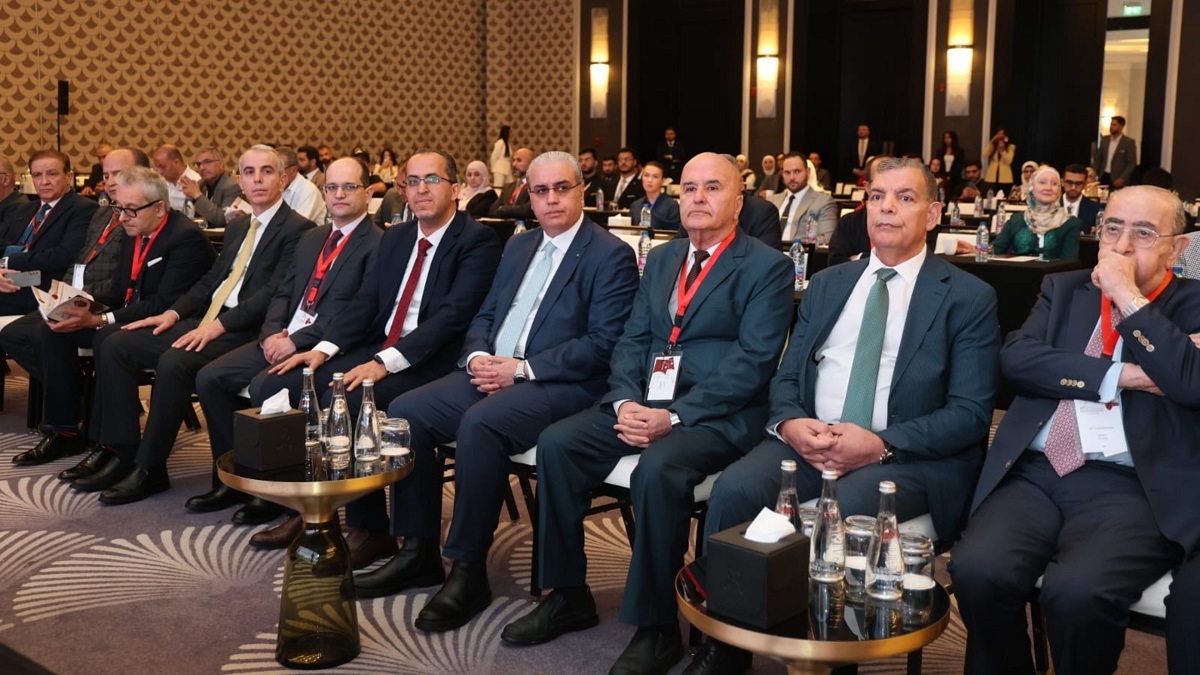
Amman, Oct. 1 (Petra) — The Jordan Cardiac Society’s 16th conference
opened Thursday, bringing together Arab and international specialists
for two days of scientific sessions on advances in cardiovascular
medicine, treatment and patient care.
The conference features eight scientific sessions and lectures
covering preventive cardiology, heart failure, clinical interventions
and congenital heart conditions. Participants will also review
emerging technologies and research, exchange expertise and discuss
advanced medical cases.
Health Minister Ibrahim Al-Bdour, who patronized the opening, said
cardiovascular diseases remain among the leading causes of death
regionally and globally, making continued development of cardiac
intervention services increasingly important.
He pointed to the growing prevalence of risk factors including
smoking, obesity, diabetes and high blood pressure, stressing the
importance of improving treatment to reduce complications and save
lives.
Al-Bdour said the Health Ministry has expanded catheterization and
cardiac surgery services at its hospitals as part of efforts to
establish referral centers capable of serving patients across the
governorates.
Since February, the ministry has implemented a protocol for treating
acute heart attacks through catheterization, with specialized teams
available around the clock to respond to emergency cases, he added.
The protocol is part of efforts to apply international standards,
standardize treatment pathways for critical cases and improve the
quality of healthcare services.
Honorary Conference President Yousef Al-Qusous said the Jordan
Cardiac Society was established in 1988, with Daoud Hanania serving
as its first president. He said the conference provides a platform
for examining scientific developments in cardiology and building on
the Kingdom’s achievements in the field.
Society President Jamal Al-Dabbas said cooperation with the Health
Ministry and the World Heart Federation has supported the training
and qualification of Jordanian physicians. He also highlighted the
Kingdom’s experience in heart transplantation, which dates to the
first procedure performed by Al-Qusous in 1985.
Scientific Committee Chairman Ali Al-Halabi said specialists from
several countries are taking part in the conference, including some
participating remotely.
Jordan Medical Association Council member Saddam Al-Shannaq called
for a unified treatment protocol across healthcare sectors and
clearer definitions of the responsibilities of medical specialties in
line with the Medical and Health Liability Law.
Al-Bdour also opened a specialized exhibition held alongside the
conference, featuring companies working in medical devices, supplies
and pharmaceuticals.
//Petra// RZ