Jordan’s Q2 2026 GDP Expands 3.0%, Outperforming Regional Headwinds, International Forecasts
ENV-KUWAIT-SUSTAINABLITYKuwait strengthens environmental sustainability through strategic initiativesBy Zahra Al-Kadhmi
HLT-KUWAIT-SURGERYKuwait advances health sector with robotic, remote surgeryBy Mohammad Al-Moseb

Saudi Arabia’s Voluntary Carbon Market Fuels the Shift to a Low-Carbon

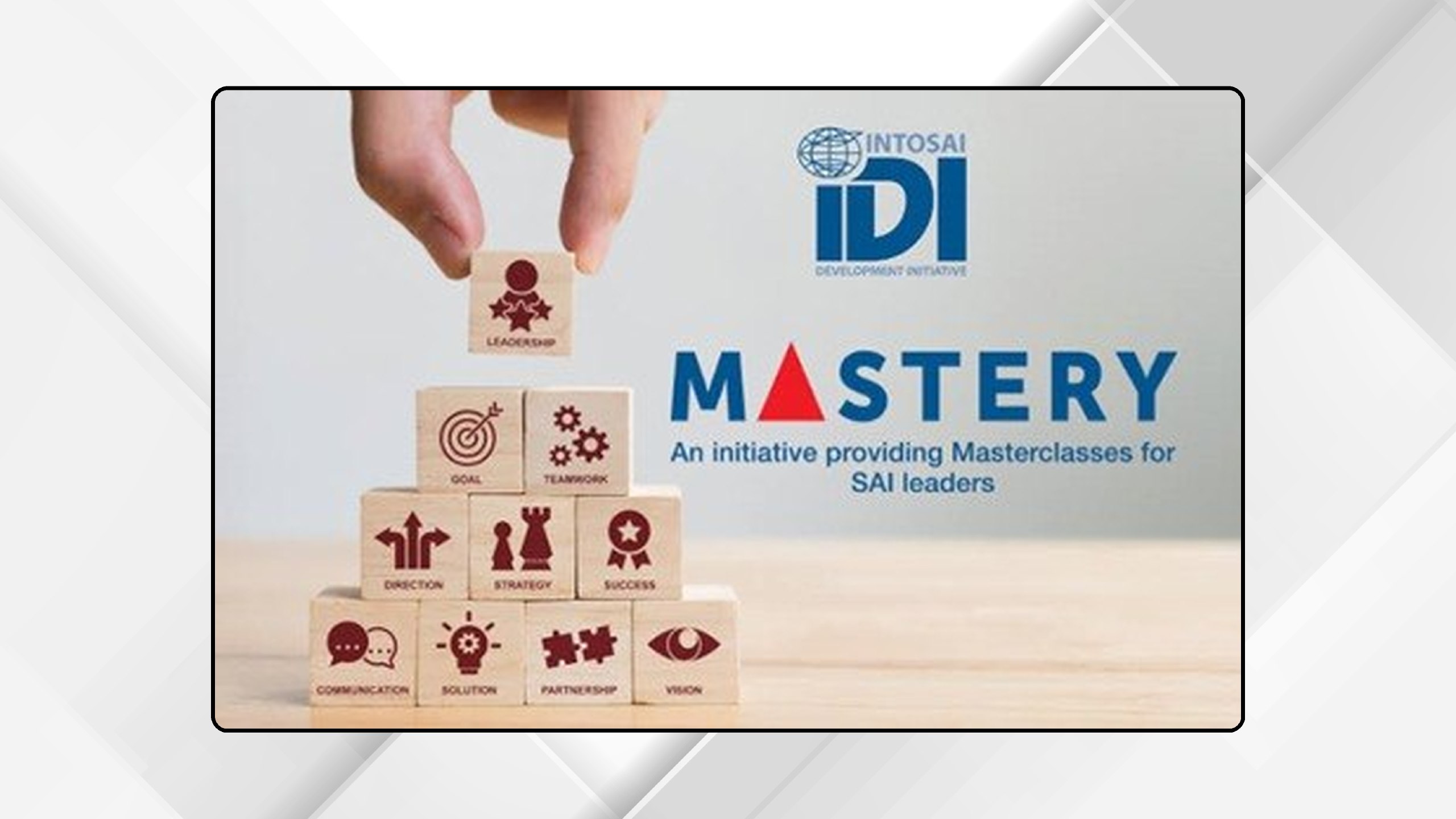
Amman, Oct. 19 (Petra) — The Audit Bureau took part in two workshops
in Istanbul under the INTOSAI Development Initiative’s (IDI)
“MASTERY” program, drawing in heads and senior officials of supreme
audit institutions from across the world.
Audit Bureau President Radhi Hamadeen said building oversight
institutions capable of responding to rapid change requires constant
development of institutional leadership systems and stronger
readiness to manage transformation. This, he said, enables supreme
audit institutions to perform their roles efficiently.
The “Leading Myself and Leading Others” workshop examined advanced
dimensions of institutional leadership, including building leadership
awareness, values-based leadership, boosting the ability to
influence, developing teams and instilling a culture of trust,
responsibility and empowerment, the bureau said in a press release.
It also addressed the need for institutions to move from traditional
management to leadership models that better motivate human capital,
foster innovation and build workplaces embracing learning and
institutional development, it said.
The “Leading Institutional Change” workshop focused on leadership
requirements to steer transformation within higher audit
institutions.
Topics included shaping a future vision for change, turning
strategies into feasible initiatives, managing change-related
challenges and strengthening engagement with stakeholders. It also
looked at the impact of digital transformation and artificial
intelligence on the future of audit work.
During the discussion sessions, Hamadeen underscored the importance
of institutional development grounded in an integrated strategic
vision. He said such a vision links the development of human
capabilities, the promotion of innovation and the use of modern
technology solutions, while preserving the professional principles at
the core of audit work.
The bureau’s participation in “MASTERY” reflects a commitment to
cementing leadership and institutional capacities, openness to
international expertise and continuous development, said the bureau.
“MASTERY”, one of the strategic leadership programs launched by IDI
to support senior leaders of audit institutions, offers an
international platform to exchange insights and expertise on audit
work and boost leaders’ skills in strategic leadership, institutional
change management and building more resilient and sustainable
institutions.
//Petra// NQ