Jordan’s Q2 2026 GDP Expands 3.0%, Outperforming Regional Headwinds, International Forecasts
ENV-KUWAIT-SUSTAINABLITYKuwait strengthens environmental sustainability through strategic initiativesBy Zahra Al-Kadhmi
HLT-KUWAIT-SURGERYKuwait advances health sector with robotic, remote surgeryBy Mohammad Al-Moseb

Saudi Arabia’s Voluntary Carbon Market Fuels the Shift to a Low-Carbon
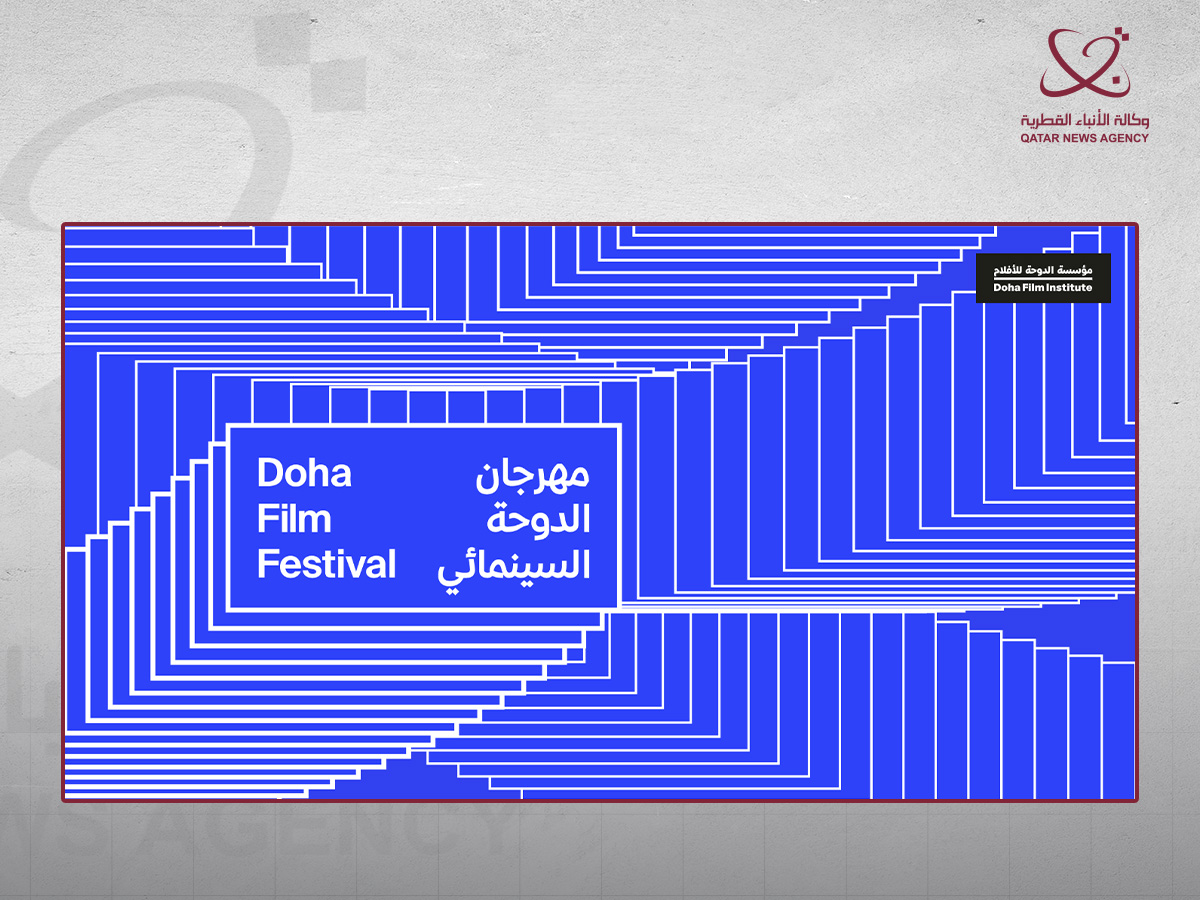
Doha, October 21 (QNA) – Doha Film Festival (DFF) 2026 will spotlight the creativity and ambition of Qatar’s filmmaking community through its Made in Qatar Competition, bringing together eight films that explore deeply personal experiences, family bonds, cultural memory and the imaginative possibilities of cinema.
The selection reflects the breadth of stories being developed and produced in Qatar, with filmmakers drawing on a range of genres, perspectives and cinematic approaches. From intimate explorations of human relationships to supernatural encounters and fantastical journeys, the films demonstrate the growing diversity of voices shaping the country’s screen industry.
The competition will be judged by a distinguished jury comprising of Qatari filmmaker Al Johara Al Thani, Lebanese actress and filmmaker Yumna Marwan, and Palestinian Belgian filmmaker and producer Naël Khleifi. Their combined experience across acting, directing and film production brings a range of creative perspectives to this year’s showcase of homegrown cinema.
CEO of Doha Film Institute and Festival Director of DFF, Fatma Hassan Alremaihi said: “Filmmaking in Qatar is about creating the space, confidence and opportunity for our storytellers to bring their visions to life. Every film shares a creative voice, a distinctive perspective and a contribution to the cultural landscape we are building together. Through Made in Qatar, we are committed to championing homegrown talent, encouraging bold and original stories, and providing a platform for them to connect with audiences and the international film community.”
The 2026 Made in Qatar Competition titles are ‘Abu Fanoos’ by Amira Abujbara and Horia El Hadad; ‘After the Rain’ by Kholood Al Ali; ‘Constant’ by Maysaa Almumin; ‘Crawling Into Myself’ by Hamad Al Fayhani; ‘Ghafleh’ by Tony El Ghazal; ‘In the Silence After’ by Sebastian Delascasas; ‘Kantqtaa’ by Yazid Taki; and ‘Light to Ashes’ by Nadia AlKhater. (QNA)