
Jordan’s Q2 2026 GDP Expands 3.0%, Outperforming Regional Headwinds, International Forecasts
ENV-KUWAIT-SUSTAINABLITYKuwait strengthens environmental sustainability through strategic initiativesBy Zahra Al-Kadhmi

HLT-KUWAIT-SURGERYKuwait advances health sector with robotic, remote surgeryBy Mohammad Al-Moseb

Saudi Arabia’s Voluntary Carbon Market Fuels the Shift to a Low-Carbon

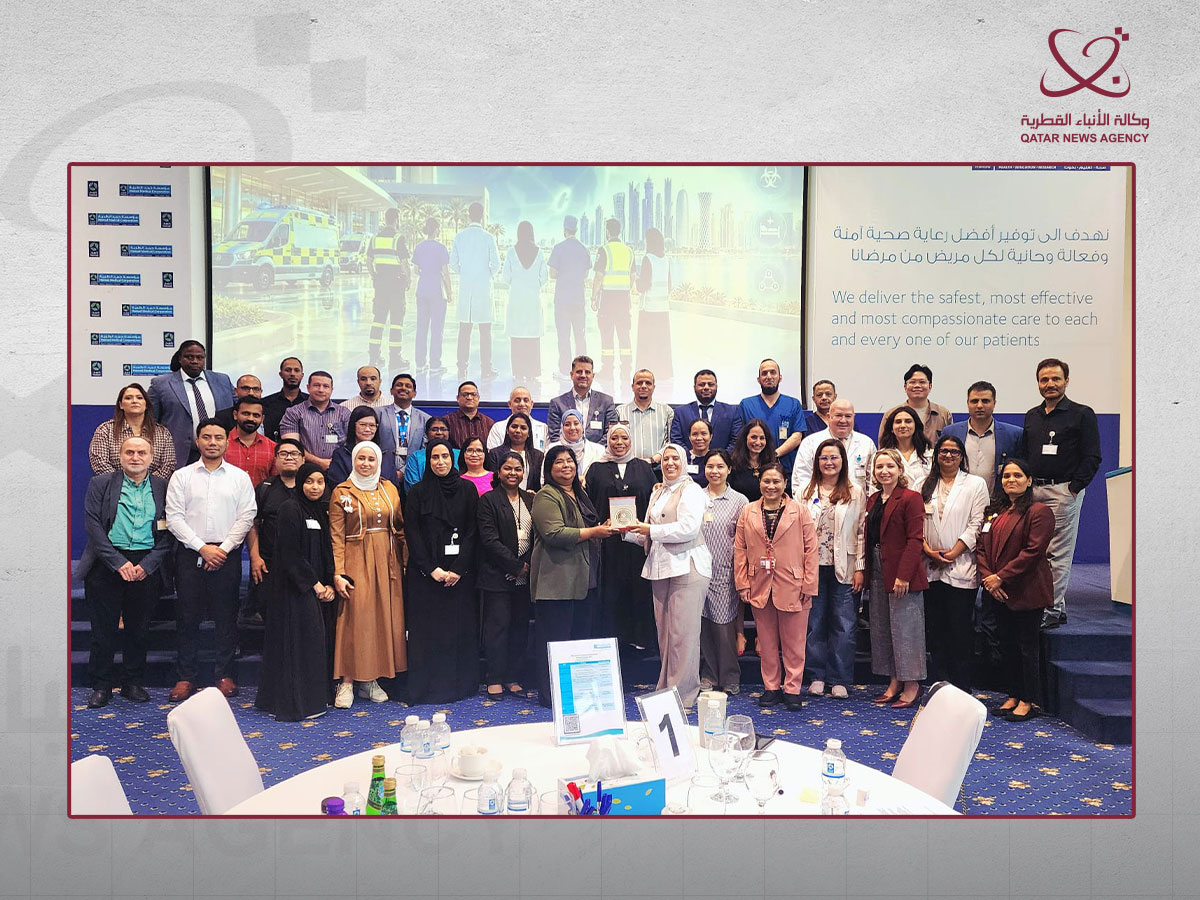
Doha, October 25 (QNA) – The Ministry of Public Health (MoPH), in collaboration with the healthcare sector, is celebrating Qatar Infection Prevention and Control Week from 18 to 23 October, under the theme “Generations of Infection Prevention. Past. Present. Protected.”
The initiative supports the Ministry’s efforts to raise awareness of the importance of infection prevention and control and to strengthen practices that protect patients, healthcare workers, and community members.
The celebration coincides with World Infection Prevention and Control Week. It highlights the journey of infection prevention across generations, from the foundations and practices that established the pillars of modern infection prevention to current efforts based on scientific evidence, technologies, and innovations that strengthen healthcare safety and protect future generations.
As part of the celebration, the MoPH, in collaboration with the World Health Organization, will organise a virtual seminar on the history of infection prevention and control, the efforts undertaken under Qatar’s National Infection Control Programme, and the role of innovation and technology in advancing infection control.
Awareness activities will also be organised in healthcare facilities, targeting healthcare professionals, patients and their families, visitors and community members. These activities aim to strengthen preparedness for the early detection of infection risks and outbreak response, and to showcase initiatives, innovations and digital technologies that support infection prevention and control efforts.
Dr. Ameena Al Fakhro, Director of the Healthcare Quality Department, MoPH, emphasised the importance of continuing national efforts to strengthen infection prevention and control as a fundamental element in ensuring patient safety and improving the quality of healthcare services. She highlighted the role of healthcare professionals in promoting safe practices and reducing infection risks across healthcare facilities in the State of Qatar, noting that successful prevention is measured not only by the ability to manage infection cases, but also by the ability to prevent them from occurring in the first place.
She said: “This year’s theme reflects the importance of building on the accumulated experience and achievements in the field of infection prevention and control, promoting evidence-based practices, and leveraging modern technologies and innovations to develop prevention methods and enable the early detection of risks, thereby contributing to the protection of patients, healthcare professionals and members of the community.”
This year’s celebration honours healthcare pioneers whose vision and dedication helped lay the foundations of modern infection prevention and control, while recognising the daily efforts of infection prevention and control specialists and frontline workers to protect patients and healthcare professionals. It also highlights the importance of preparedness, data, surveillance, modern technologies and innovation in strengthening infection prevention capabilities.
As part of the celebration, the MoPH launched a comprehensive awareness campaign to emphasise that infection prevention and control is a shared responsibility and that adherence to preventive measures and safe practices helps reduce infection transmission and improve healthcare quality.
The campaign aims to raise national awareness of the importance of infection prevention and control, promote adherence to preventive practices, and highlight progress in this field—from basic practices to surveillance systems, data, and modern technologies. It also emphasises that innovation and technology support specialists’ expertise and efforts, rather than replacing them.
Qatar Infection Prevention and Control Week is a national occasion to recognise the efforts of infection prevention and control specialists and acknowledge their vital role in protecting patients and healthcare workers in healthcare facilities and communities. It also highlights the contributions of healthcare leaders and medical teams, promotes the quality of healthcare services, and helps reduce infection risks. (QNA)