Jordan’s Q2 2026 GDP Expands 3.0%, Outperforming Regional Headwinds, International Forecasts
ENV-KUWAIT-SUSTAINABLITYKuwait strengthens environmental sustainability through strategic initiativesBy Zahra Al-Kadhmi

HLT-KUWAIT-SURGERYKuwait advances health sector with robotic, remote surgeryBy Mohammad Al-Moseb

Saudi Arabia’s Voluntary Carbon Market Fuels the Shift to a Low-Carbon
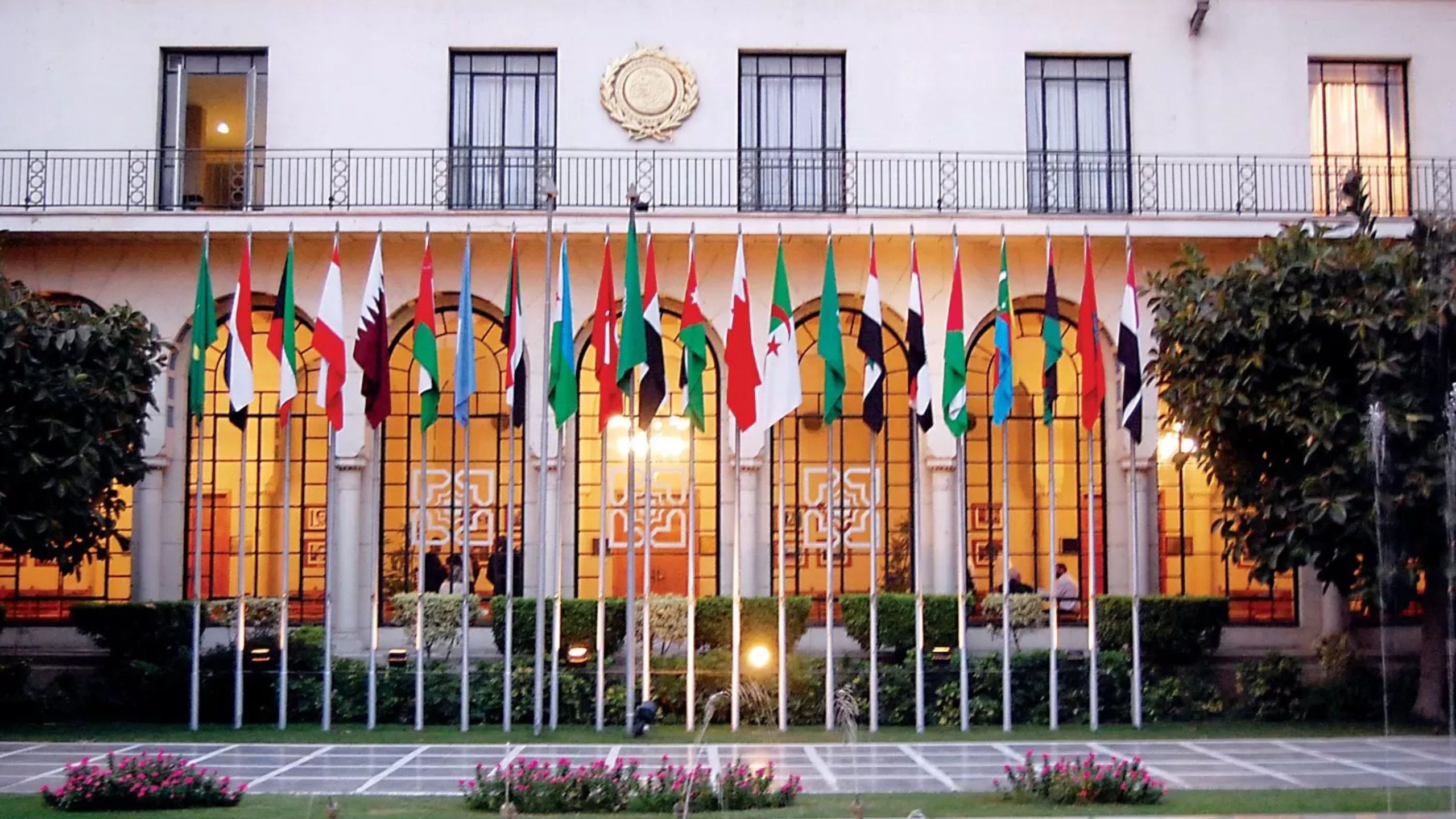
Cairo, Sept. 27 (Petra) – The 27th meeting of the Technical Committee
on the Environment of the League of Arab States reviewed priority
environmental and development issues, foremost among them sustainable
food security and Arab pastures, strengthening resilience to climate
change and food security, and the integration of water, agriculture,
and environmental policies.
In its address, the Arab League General Secretariat said the meeting
coincides with the Arab countries’ celebration of this year’s Arab
Agriculture Day, held under the theme “Sustainable Arab Pastures: A
Key Pillar of Sustainable Agricultural Development and Food Security
for Future Generations.” The same topic was adopted by the Council as
the focus of its 37th session, under the title “Sustainable Pastures
for Enhancing Resilience.”
The secretariat said this convergence reflects the alignment of Arab
joint-action priorities in the environmental, agricultural, and
development fields, as well as a shared recognition of the importance
of pastures in the interconnected systems of environment,
agriculture, water, food security, and rural livelihoods.
It stressed that protecting pastures is no longer a sector-specific
issue but a responsibility requiring integrated policies and stronger
coordination among different sectors. This approach has gained
additional importance following the United Nations’ designation of
the current year as the International Year of Rangelands and
Pastoralists, alongside the 17th Conference of the Parties (COP17) to
the United Nations Convention to Combat Desertification (UNCCD), held
in Mongolia, which placed pasture-related issues high on the
international agenda.
The meeting’s draft agenda comprises 21 items divided into two main
themes, in addition to a report by the technical secretariat on
follow-up to the implementation of decisions from the Council’s
previous session and its activities during the intersessional period.
The first theme reviewed international environmental agreements and
meetings, particularly the outcomes of the 24th meeting of the Arab
Group on Biodiversity and Combating Desertification, the results of
the UNCCD Conference of the Parties, nature-based solutions, and the
integration of water, agriculture, and environmental policies, as
well as follow-up on international agreements concerning chemicals,
waste, and the ozone layer.
The theme also addressed climate change, including coordination of
the Arab negotiating position ahead of the 31st Conference of the
Parties, alongside sustainable production and consumption,
preparations for the Arab Forum for Sustainable Development, the
High-Level Political Forum on Sustainable Development, and the United
Nations Environment Assembly.
The second theme focused on Arab environmental affairs, including the
Arab Forum for Environment and the Arab Environment Facility, the
environmental situation in the State of Palestine and Arab countries
facing environmental disasters, the Arab Environment Capital
initiative, and the Council’s award. It also addressed the proposed
theme for the Council’s 38th session and the theme of Arab
Environment Day for 2027 and 2028.
The meeting also reviewed the Arab Regional Environmental Outlook
report, the blue economy, and frameworks for international
cooperation in several environmental and development fields.
The General Secretariat stressed that the recommendations issued by
the technical committee would form the basis for the Council’s
decisions. It expressed hope that the discussions would produce
clear, actionable proposals that strengthen a unified Arab position
in international forums and translate shared priorities into
practical programs.
//Petra// AF