Jordan’s Q2 2026 GDP Expands 3.0%, Outperforming Regional Headwinds, International Forecasts

ENV-KUWAIT-SUSTAINABLITYKuwait strengthens environmental sustainability through strategic initiativesBy Zahra Al-Kadhmi

HLT-KUWAIT-SURGERYKuwait advances health sector with robotic, remote surgeryBy Mohammad Al-Moseb

Saudi Arabia’s Voluntary Carbon Market Fuels the Shift to a Low-Carbon

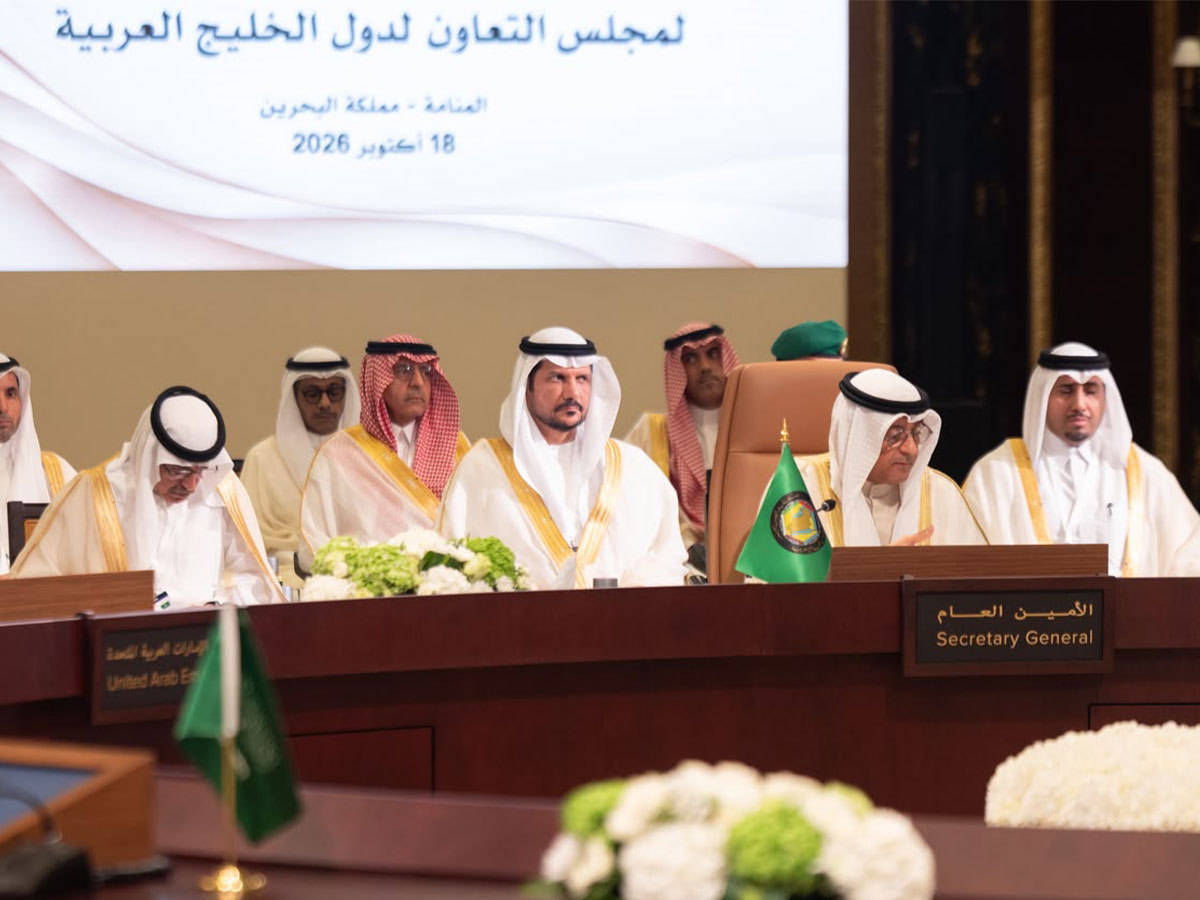
Manama, October 18 (QNA) – Secretary-General of the Gulf Cooperation Council (GCC) Jassim Mohammed Albudaiwi confirmed that the GCC General Secretariat, in coordination with member states, continues its unremitting efforts to implement directives of the leaders of the GCC countries to enhance Gulf integration projects and the capabilities of the GCC countries to face challenges and achieve development and prosperity.
Albudaiwi explained, during his speech at the 168th Ministerial Council meeting of the GCC in Manama on Sunday, that Their Majesties and Highnesses the leaders of the GCC countries, during their nineteenth consultative meeting in the city of Jeddah last April, directed to set important priorities to enhance integration between the GCC countries, accelerate work on joint Gulf projects, and develop their capabilities to confront crises and deal with challenges and turn them into opportunities to raise the efficiency of the economies of the GCC countries, by consolidating logistical connectivity, the water connection project, and expanding the capabilities of the GCC, electrical connectivity, strategic storage projects, in addition to other important topics, to achieve the aspirations of its people towards development and prosperity.
He stressed that the heinous assaults committed by the terrorist Houthi militia against the Kingdom of Saudi Arabia confront us with deliberate criminal conduct that disregards the sanctity of human life, the safety of civilian facilities, and the consequences of escalation on regional security and stability.
He reiterated the GCC’s categorical condemnation of these blatant assaults, rejecting the continued targeting of airports, civilian facilities, and energy infrastructure, as well as terrorizing residents and endangering travelers and workers, stressing that Houthi group’s insistence on repeating its crimes requires effective international action to stop its attacks, hold those responsible accountable, and prevent its threat to security and stability.
In the same context, Albudaiwi stressed that it is not possible to ignore the repeated Iranian attacks that the GCC countries have been subjected to, as they represent a blatant violation of their sovereignty and territorial integrity, and a direct threat to their security and stability, in addition to the dangerous and continuing Iranian practices that target the security and safety of maritime navigation in the Strait of Hormuz, and attempts to use this vital international waterway as a tool for pressure and threat, thus exposing international trade and global energy supplies to serious risks.
He stressed the need for Iran to adhere to the principles of international law and the United Nations Charter, fully implement Security Council Resolution No. (2817), and ensure freedom of navigation and safe transit in the Strait of Hormuz without any restrictions or threats, while emphasizing the responsibility of the international community, especially the Security Council, to take a firm stance to ensure the protection of the security and stability of the region, and preservation of international sea lanes from any practices that threaten regional and international security and peace. (QNA)